Cart
0
You may also like


Book a call with our development team to get started.



Apply online and access wholesale pricing.

When 126 million consumers shopped in stores during the 2024 Black Friday weekend, according to the National Retail Federation, retailers needed packaging solutions that could keep pace with the surge. Gift bags deliver that speed advantage: no tape, no folding, no complex assembly. For retailers managing peak-season volume, wholesale gift bags offer a practical alternative to traditional gift boxes—one that balances presentation quality with the operational realities of Black Friday fulfillment.
This guide covers how to integrate Black Friday packaging strategies with gift bag formats, including stock calculations, sizing decisions, and fulfillment workflows that support both brick-and-mortar and e-commerce channels during the busiest retail weekend of the year.
Gift bags reduce per-order handling time to seconds rather than minutes. In a retail environment where checkout lines extend through the store and warehouse teams process hundreds of orders per hour, that time savings compounds quickly. A single employee can prepare 30-40 gift bags in the time it takes to wrap and ribbon 10-12 traditional boxes.
The operational advantages extend beyond speed. Gift bags require minimal training—seasonal staff can learn the process in minutes—and they eliminate the need for wrapping stations, tape dispensers, and ribbon inventory. For retailers operating pop-up locations or temporary Black Friday fulfillment centers, gift bags simplify setup and reduce the footprint of packaging workstations.
From a customer perspective, gift bags offer immediate gratification. Shoppers purchasing gifts for multiple recipients can leave the store with presentation-ready packages, eliminating the need for home wrapping. This convenience factor drives add-on sales: when gift bags are displayed at checkout or offered as an upgrade during online checkout, conversion rates typically increase.
Cost efficiency matters during promotional periods when margins tighten. Bulk gift bags cost 30-60% less per unit than rigid gift boxes of comparable size, and they ship and store more efficiently due to their flat or nested format. For retailers ordering packaging in the thousands, those savings scale meaningfully.
Black Friday merchandise spans categories—electronics, apparel, toys, beauty products, home goods—and gift bag inventory must accommodate that range. Most retailers stock three core sizes to cover 80-90% of transactions: small (5" × 3" × 8"), medium (8" × 4" × 10"), and large (10" × 5" × 13"). These dimensions handle everything from jewelry boxes to sweaters to small appliances.
Product-specific sizing prevents waste and improves presentation. A watch or cosmetic set looks lost in an oversized bag, while forcing a bulky item into an undersized bag creates a poor unboxing experience. During planning, map your top 20 Black Friday SKUs to appropriate bag sizes, then calculate volume ratios based on projected sales mix.
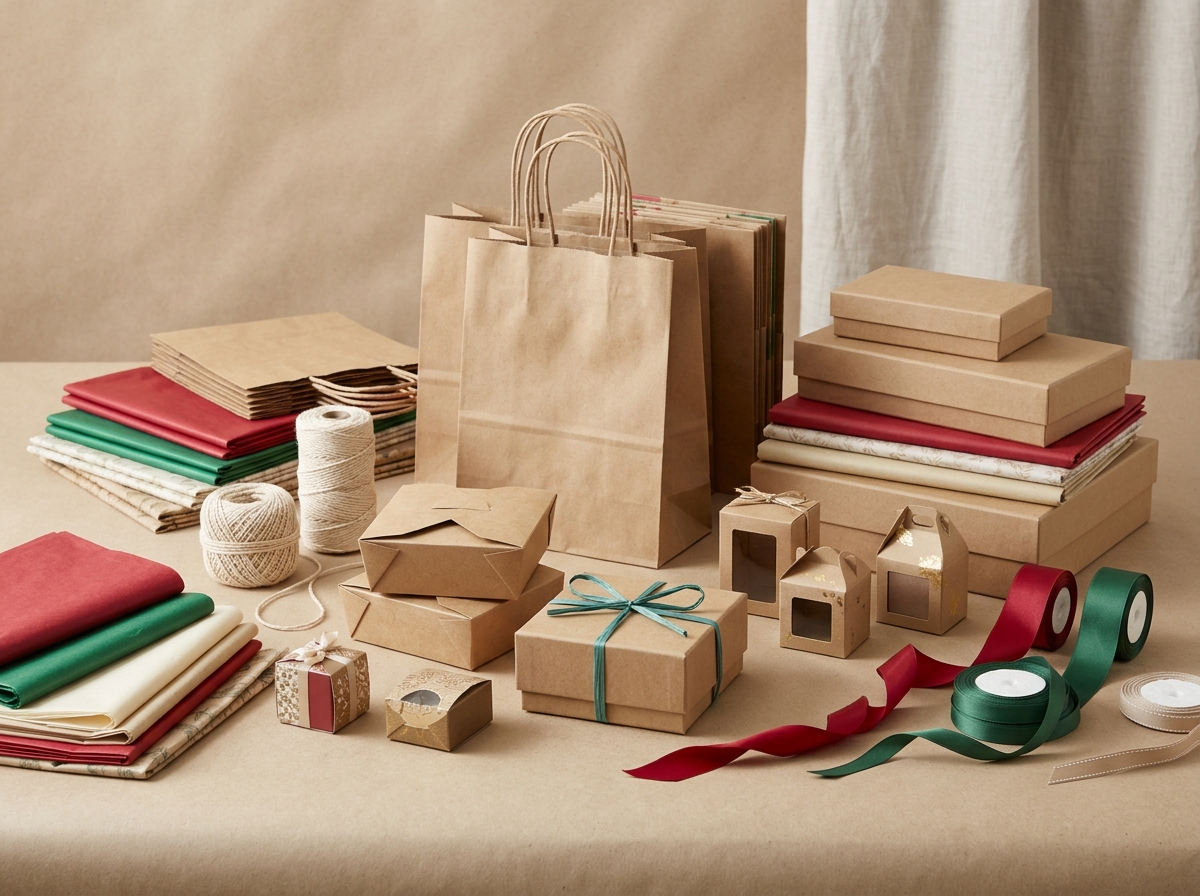
Apparel and soft goods typically require medium to large bags, with gussets providing depth for folded items. Electronics and boxed goods often fit small to medium sizes, depending on packaging dimensions. Beauty and personal care products cluster in the small to medium range, though gift sets may require large formats.
For e-commerce fulfillment, consider how gift bags nest inside shipping boxes. A medium gift bag fits comfortably in a 12" × 9" × 4" mailer, while large bags may require 14" × 11" × 6" boxes. This nesting calculation affects both packaging costs and dimensional weight charges, particularly for carriers applying DIM pricing during peak season.
Gift bag inventory planning follows the same lead-time principles as other Black Friday packaging stock, but with adjustments for usage rates. Unlike shipping boxes that protect one item per unit, gift bags serve a presentation function that customers may decline. Typical attachment rates range from 40-70% depending on price point, product category, and point-of-sale positioning.
Calculate base inventory using this formula: (projected Black Friday orders) × (expected attachment rate) × (1.25 safety margin) ÷ (number of sizes). For a retailer expecting 5,000 orders with a 60% gift bag attachment rate across three sizes, that yields 1,250 bags per size as a starting point. Adjust ratios based on historical sales mix if available.
Order timing matters. Standard wholesale gift bags typically ship within 3-5 business days, but bulk orders placed during September or early October ensure arrival before warehouse space becomes constrained. Custom-printed bags require 4-6 weeks for production, pushing order deadlines into late August or early September for November delivery.
Storage considerations differ from rigid packaging. Gift bags with handles ship flat and stack efficiently, occupying roughly one-third the cubic footage of equivalent gift box inventory. A pallet of 2,000 medium gift bags measures approximately 40" × 48" × 36", compared to 40" × 48" × 60" for the same quantity of assembled boxes. This density advantage matters when warehouse space fills with seasonal inventory.
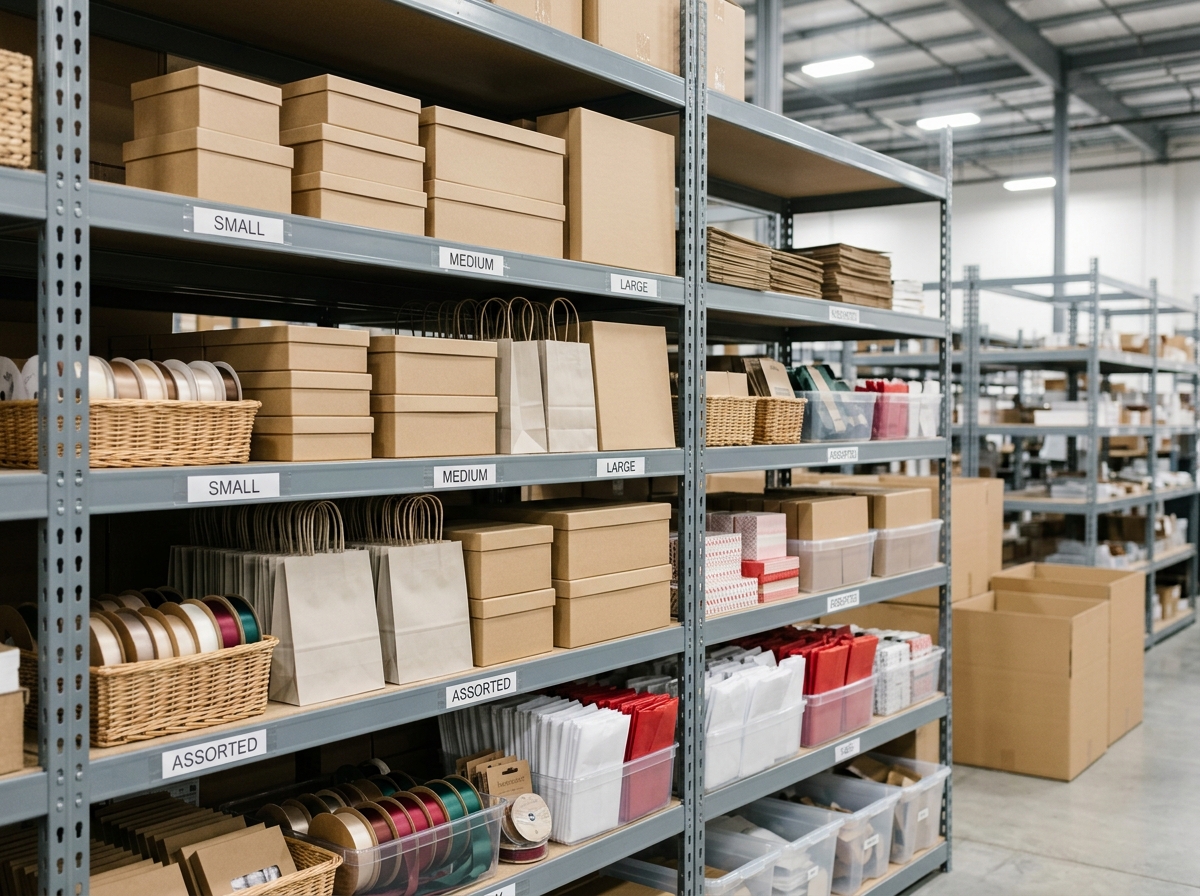
Material choice affects both aesthetics and durability. Kraft paper gift bags project an eco-conscious, artisanal brand image and cost 15-25% less than coated options. They handle moderate weight well—up to 5-8 pounds depending on construction—and accept stamps, stickers, or hand-written gift tags easily. Kraft packaging performs particularly well for home goods, food products, and wellness categories where natural presentation aligns with brand positioning.
Glossy finish bags deliver a premium look suitable for jewelry, electronics, and luxury goods. The coated surface resists scuffing and moisture better than uncoated kraft, maintaining appearance through handling and transport. Glossy bags typically cost 20-35% more than kraft equivalents but support higher price-point merchandise where presentation influences perceived value.
Matte finish bags split the difference: they offer a refined, contemporary aesthetic without the high-gloss shine, and they resist fingerprints better than glossy options. Matte bags work across most product categories and provide a neutral backdrop for branded tissue paper, ribbon, or hang tags. Color options—black, white, navy, burgundy—allow retailers to coordinate with seasonal branding without custom printing costs.
Handle construction impacts both functionality and cost. Twisted paper handles cost less and suit lightweight items, while reinforced ribbon or rope handles support heavier products and create a more upscale presentation. For Black Friday volume, prioritize handle strength over aesthetics: a failed handle creates a negative customer experience that outweighs any cost savings.
E-commerce gift bag fulfillment requires a dual-packaging approach: the gift bag provides presentation, while an outer shipping box ensures safe transit. This adds handling steps compared to direct-ship packaging, but it solves a persistent customer pain point—recipients want gift-ready presentation without the sender wrapping at home.
Workflow efficiency depends on staging. Pre-assemble gift bags with tissue paper during low-volume periods, storing them upright in bins organized by size. When orders arrive, fulfillment staff select the appropriate pre-staged bag, add the product, fold the top, and place the bag in the shipping box with minimal filler. This assembly-line approach maintains throughput during peak periods.
Communicate gift packaging clearly during checkout. Offer gift bags as an add-on service with a flat fee ($2-5 depending on size) or include them free above a threshold order value. Display product-in-bag photos so customers understand what they're purchasing. For orders containing multiple items, specify whether each item receives individual bagging or if items ship together in one bag.
Consider gift messaging options. Include a small card or printed insert that accepts personalized messages entered during checkout. This service differentiates the experience from standard shipping and justifies any gift packaging fees. Some retailers print messages directly on tissue paper or include QR codes linking to digital greeting cards.
Per-unit costs favor gift bags significantly. A medium kraft gift bag purchased in quantities of 1,000+ typically costs $0.40-0.70, while a comparable rigid gift box runs $1.20-2.00. For a retailer processing 3,000 gift orders during Black Friday weekend, that difference represents $2,400-3,900 in packaging costs alone.
Labor costs compound the advantage. Gift bag assembly averages 15-20 seconds per unit including tissue paper, compared to 90-180 seconds for box assembly, wrapping, and ribbon. At $15/hour labor rates, gift bags cost approximately $0.06 in labor versus $0.38-0.75 for boxes. Across 3,000 units, labor savings reach $960-2,070.
Storage and freight costs also weigh in favor of bags. Flat-packed gift bags occupy one-third to one-half the space of nested or flat boxes, reducing both warehousing costs and inbound freight charges. For retailers operating in high-rent urban locations or paying dimensional weight surcharges, these logistics savings add meaningfully to the total cost equation.
The trade-off involves presentation and protection. Rigid gift boxes provide superior crush resistance for fragile items and create a more structured unboxing experience. Gift bags excel for soft goods, non-fragile items, and situations where speed and convenience outweigh presentation formality. Many retailers stock both formats, directing customers toward the appropriate option based on product type and price point.
Speed matters when checkout lines extend and online orders queue. Implement these fast-assembly techniques to maintain throughput without sacrificing presentation quality:
Pre-stage tissue paper inside bags during slow periods. Fold two sheets in a fan pattern and place them in the bag with edges extending above the top. When an order arrives, staff simply add the product and fold the bag top—no fumbling with tissue paper during peak hours.
Organize bags by size in vertical bins or shelves at each packing station. Label clearly with size dimensions and weight capacity. This eliminates decision time and ensures packers select appropriate sizes quickly. Position the most common size at arm's reach to minimize movement.
Use a two-person assembly line for high-volume periods. One person adds products to bags while the second handles tissue adjustment and bag closure. This specialization increases throughput by 40-60% compared to single-person packing.
Standardize tissue paper color and eliminate ribbon or complex embellishments during peak hours. A single coordinated tissue color—white, kraft, or seasonal—maintains presentation while removing decision points. Save custom ribbon or hang tags for pre-Black Friday orders or premium items where presentation justifies the time investment.
For retail locations, position gift bag stations near checkout registers. Train cashiers to offer gift bags during transaction processing, then hand completed bags to dedicated gift-wrap staff who complete assembly while the customer finalizes payment. This parallel processing prevents checkout bottlenecks.
Gift bags work within broader packaging strategies rather than replacing all formats. Many retailers use gift bags for apparel, accessories, and general merchandise while reserving boxes for specific categories where structure matters.
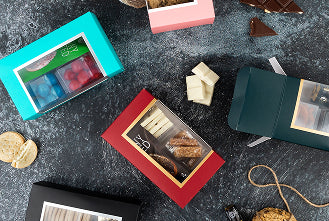
Bakery and food retailers often combine bakery boxes for product protection with gift bags for presentation. A dozen cookies ships in a windowed bakery box, which then fits inside a medium gift bag with tissue paper. This dual approach protects the product during transport while providing gift-ready presentation.
For products requiring visibility, pair cellophane bags with gift bags. Place cookies, candies, or bath products in clear cellophane bags first, then position those inside gift bags. The cellophane provides product protection and visibility while the outer bag adds structure and handles.
Consider hybrid approaches for different order types. Use gift bags for in-store purchases where customers carry items immediately, but ship online orders in boxes without gift bags, offering gift messaging and decorative tissue paper instead. This segmentation optimizes costs while meeting channel-specific customer expectations.
Environmental impact matters to consumers and increasingly influences purchasing decisions. Gift bags made from recycled kraft paper or FSC-certified materials address sustainability concerns while maintaining functionality. These options typically cost 5-15% more than standard bags but align with brand values for environmentally conscious retailers.
Communicate material sourcing through in-store signage or website copy. Phrases like "made from 100% recycled paper" or "FSC-certified sustainable forestry" provide transparency without requiring custom printing. For retailers with sustainability commitments, this messaging reinforces brand positioning during high-visibility promotional periods.
Reusability extends bag life beyond single use. Sturdy construction with reinforced handles and quality materials encourages customers to reuse bags for future gifts, groceries, or storage. This extended use cycle improves the environmental profile compared to single-use packaging and creates ongoing brand visibility as customers carry bags in public.
Avoid excessive embellishment that complicates recycling. Plastic windows, metallic foil, or laminated coatings prevent paper recycling and reduce environmental benefits. Stick with mono-material construction—paper bag, paper handles, paper tissue—to ensure bags enter municipal recycling streams successfully.
Calculate inventory using projected Black Friday orders multiplied by your expected attachment rate (typically 40-70%), then add a 25% safety margin. For example, if you expect 5,000 orders with a 60% attachment rate, order approximately 3,750 bags total, distributed across sizes based on your product mix. Order 6-8 weeks before Black Friday to ensure availability and allow time for storage planning.
Stock three core sizes to cover most transactions: small (5" × 3" × 8") for jewelry, cosmetics, and accessories; medium (8" × 4" × 10") for apparel, books, and electronics; and large (10" × 5" × 13") for bulky items, multiple products, or large boxes. This range handles approximately 85-90% of typical Black Friday merchandise. Analyze your top-selling SKUs to adjust size ratios for your specific product mix.
Gift bags work well for e-commerce when products don't require rigid protection during shipping. They cost 50-70% less than gift boxes and assemble 4-5 times faster, reducing both material and labor costs. However, gift bags require outer shipping boxes for transit protection, adding a packaging layer. Use gift bags for soft goods, non-fragile items, and cost-sensitive orders. Reserve rigid boxes for fragile products, premium items, or situations where structured presentation justifies the added cost.
Place orders for standard gift bags by early October to ensure delivery before warehouse space becomes constrained and carrier networks slow down. If you're ordering custom-printed bags with your branding, push deadlines to late August or early September since custom orders typically require 4-6 weeks for production plus shipping time. Earlier ordering also provides buffer time to address any quality issues or shortages before peak season begins.
Most retailers charge $2-5 per gift bag depending on size, or include gift bagging free for orders above a threshold ($50-75 is common). Price gift bags to cover material costs ($0.40-0.70), labor (approximately $0.06 per bag), and tissue paper ($0.10-0.15), then add a small margin. Alternatively, build gift packaging costs into product pricing and offer "complimentary gift wrapping" as a value-added service that differentiates your brand during competitive promotional periods.