Cart
0
You may also like



Book a call with our development team to get started.



Apply online and access wholesale pricing.

The packaging around a corporate gift communicates as much as the gift itself—sometimes more. When a client or long-standing partner opens a box plastered with your logo, wrapped in the same materials as your trade-show giveaways, or packaged in a way that signals "bulk order," the message shifts from appreciation to acquisition. These corporate gift packaging mistakes are common, measurable, and avoidable.
Most companies invest significant budget in selecting the right gift but overlook the presentation layer that determines how it's received. Packaging shapes perceived value, which means a $75 gift in premium packaging can feel more valuable than a $100 gift in generic materials. The reverse is equally true: thoughtful gifts lose impact when the packaging contradicts the relationship you're trying to reinforce.
This guide walks through the most damaging corporate gift packaging mistakes—over-branding, value mismatches, one-size-fits-all approaches, and promotional formats used for relationship gifts—and offers specific fixes for each. Whether you're planning a corporate holiday gift packaging program or assembling client appreciation boxes throughout the year, understanding what undermines intent is the first step toward packaging that strengthens relationships instead of straining them.
A corporate gift should make the recipient feel valued, not marketed to. When every surface of the gift, the box, and the tissue paper carries your logo, tagline, or brand colors, the gesture reads as promotional rather than personal. The recipient's first thought becomes "What do they want from me?" instead of "They appreciate our partnership."
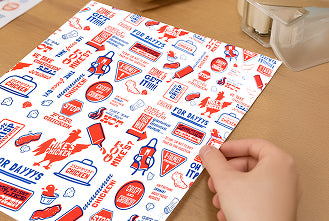
Over-branding is one of the most common corporate gift packaging mistakes. Gifts that look like typical promotional giveaways are often perceived as marketing tricks and are more likely to be ignored or discarded. The line between brand presence and brand overload is narrow: a subtle logo on the box exterior or a branded card insert maintains identity without overwhelming the gesture, while logo-heavy wrapping, branded tissue, and logoed products all at once tip into excess.
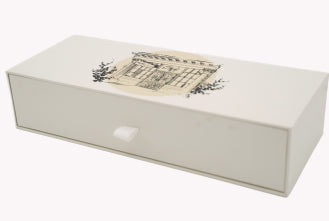
The fix is to brand the packaging, not the gift itself. A structured kraft gift box with a discreet custom label or belly band preserves brand recognition while keeping the focus on the recipient. If the gift is a premium item—wine, gourmet food, or a keepsake—leave it unbranded and let the packaging carry your identity through a single, well-designed touchpoint like a card or outer sleeve.
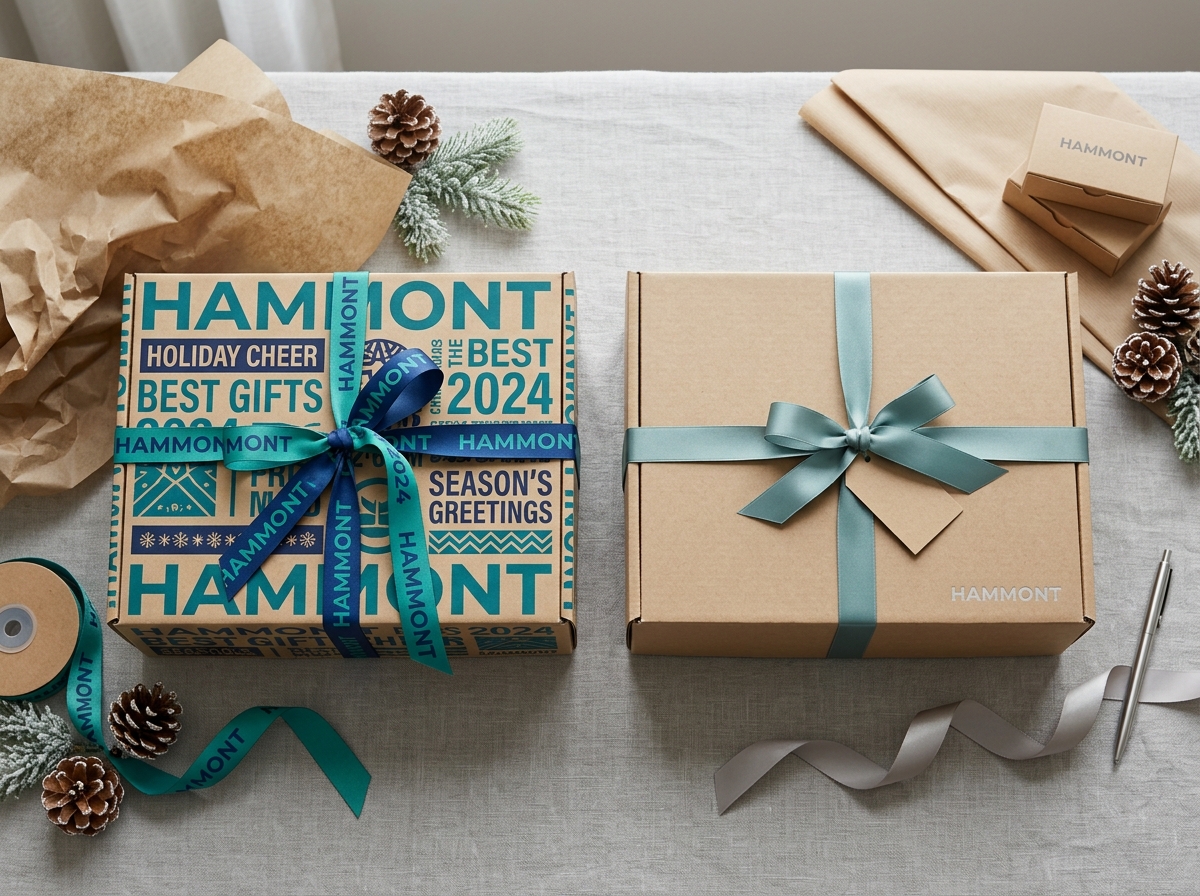
Consider the unboxing sequence. The outer shipping box can carry full branding because it's functional and will be discarded. The gift box itself should be refined: neutral or on-brand colors, minimal text, perhaps an embossed or foil-stamped logo. Inside, a handwritten or digitally personalized card does more to reinforce the relationship than another logo ever will. This layered approach signals that you invested thought into the presentation, not just budget into printing.
Packaging sets expectations. When a recipient opens a rigid, high-gloss box with magnetic closure and finds a $15 item inside, the disconnect creates confusion rather than delight. The reverse is equally damaging: a premium gift in flimsy, generic packaging undermines its perceived value before the recipient even sees what's inside.
Value perception in corporate gifting is not just about the dollar amount spent—it's about the coherence between the gift, the packaging, and the relationship context. A small but thoughtful gift in appropriately scaled, well-finished packaging will always outperform an expensive item in mismatched materials. Packaging materials and construction send quality cues that recipients use to judge both the gift and the sender's intent.
The fix starts with matching packaging weight class to gift value. For items under $30, a clean folding carton or tuck-top box in kraft or white provides a polished, honest presentation. For gifts in the $50–$100 range, consider rigid boxes, textured finishes, or boxes with inserts that secure the contents and add a sense of occasion. Above $100, magnetic-closure boxes, custom inserts, and premium materials like linen-texture paper or matte laminate communicate appropriate investment.
Avoid the temptation to over-package inexpensive items to make them seem more valuable. Recipients notice the disparity, and it can feel manipulative. Instead, focus on thoughtful details at the right scale: a well-tied ribbon, a custom sticker seal, or coordinated tissue paper inside a compact cube tuck-top box creates a cohesive, honest presentation that aligns packaging and contents.
A single packaging format applied across your entire gift list—regardless of recipient role, industry, or cultural context—signals that the program was designed for operational convenience rather than relationship building. The CFO of a law firm, the creative director at an agency, and the procurement lead at a manufacturing plant have different aesthetic expectations and practical needs. Packaging that works for one may read as tone-deaf to another.
This mistake often shows up in tiered corporate gift programs where the only variable is the gift itself, while the packaging remains identical. A junior contact and a C-suite partner receive the same box design, differing only in size or contents. The message this sends is that the packaging—and by extension, the gesture—is templated. Thoughtful corporate gifting accounts for context: a client in a regulated industry may prefer understated, logo-free packaging, while a creative partner might appreciate bold, design-forward presentation.
Cultural considerations also matter. White packaging carries associations with mourning in many Asian countries, while red conveys good fortune in Chinese business contexts. If your recipient list spans geographies or cultural backgrounds, a one-size-fits-all approach risks unintended signals. The fix is segmentation: develop two or three packaging templates that can be deployed based on recipient profile, industry norms, or regional preferences.
Practical needs vary as well. A gift sent to a corporate office should arrive in packaging that's easy to transport home—handles on gift bags, compact box dimensions, or reusable formats. Gifts shipped to remote employees need packaging that protects contents through carrier handling and doesn't require special tools to open. If you're coordinating wine bottle gift boxes for corporate clients, ensure the box design accommodates the bottle securely and includes any necessary inserts or dividers to prevent damage.
Promotional packaging is designed for volume, visibility, and cost efficiency. It's optimized for trade shows, new customer acquisition, and short-term campaigns. Relationship gifts serve a different function: they reinforce existing partnerships, acknowledge milestones, and communicate long-term investment. Using the same packaging for both contexts is one of the most common and most damaging corporate gift packaging mistakes.
The difference is visible in material choices, print quality, and finishing details. Promotional packaging often uses lightweight stocks, high-gloss coatings, and bold graphics designed to stand out on a crowded table. Relationship gift packaging uses heavier paper weights, matte or soft-touch finishes, and restrained design that prioritizes elegance over attention. The recipient can feel the difference before they even see the contents.
The fix is to maintain separate packaging inventories for promotional and relationship contexts, even if budget constraints mean both use similar base formats. A kraft cube gift box can serve both purposes, but the relationship version should include upgraded details: a custom label instead of a sticker, a ribbon closure instead of a tuck flap, or a printed interior instead of plain kraft.
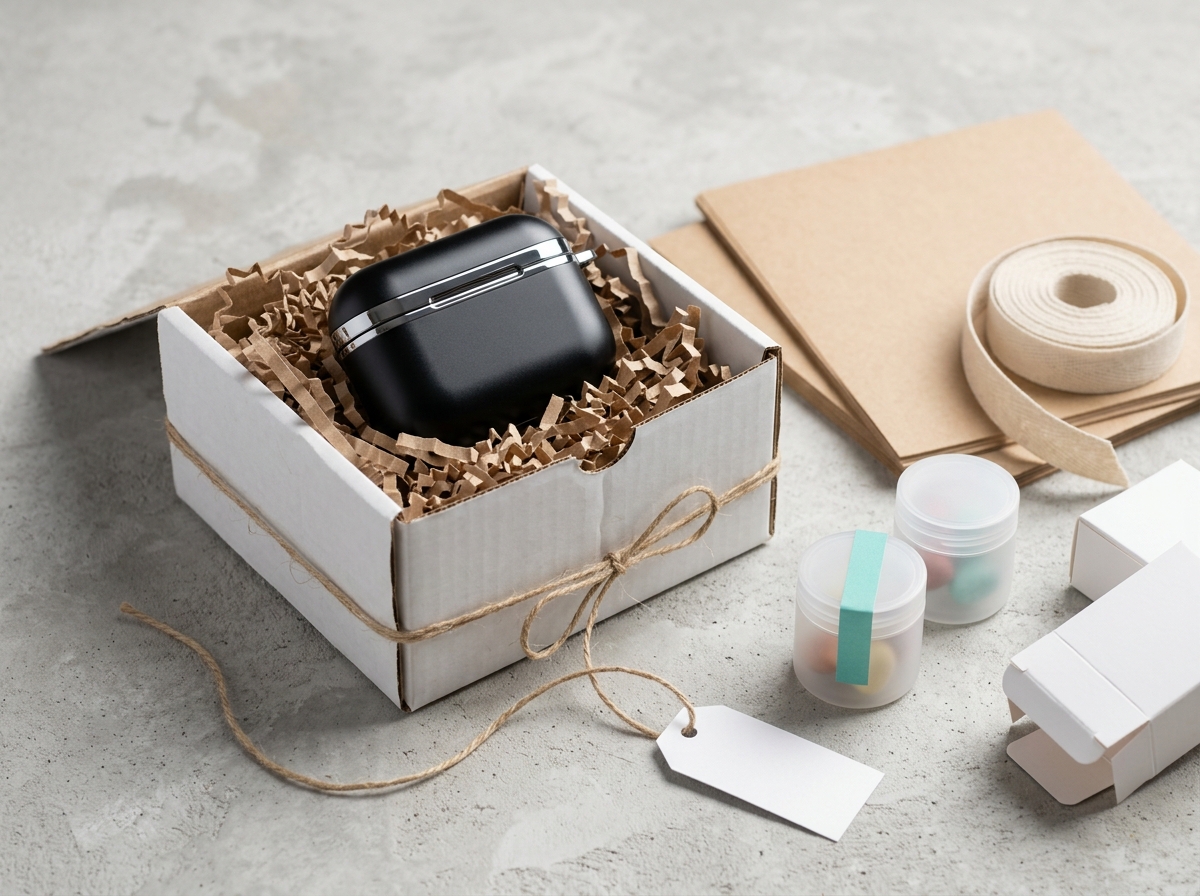
Another signal is personalization. Promotional gifts are batch-processed with generic messaging. Relationship gifts should include at least one personalized element: the recipient's name on a card, a reference to a specific project or milestone, or packaging colors that align with their brand rather than yours. These details require more planning and higher per-unit costs, but they're what separate a relationship gesture from a marketing tactic.
The unboxing sequence is where packaging either reinforces or undermines your intent. A well-designed corporate gift unfolds in layers: outer box, inner tissue or crinkle paper, the gift itself, and a card or insert that provides context. Each layer should feel intentional. When packaging is designed purely for shipping efficiency—no interior cushioning, the gift rattling loose, a card stuffed in without ceremony—the experience feels transactional.
Unboxing experience design doesn't require expensive materials; it requires thought. Tissue paper in a coordinating color, a card placed on top of the gift rather than underneath, or a simple ribbon tied around the box interior all signal care. Even budget-conscious programs can incorporate these details. The goal is to slow down the opening process just enough that the recipient notices the presentation, not just the contents.
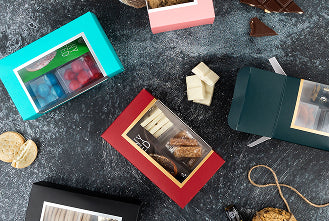
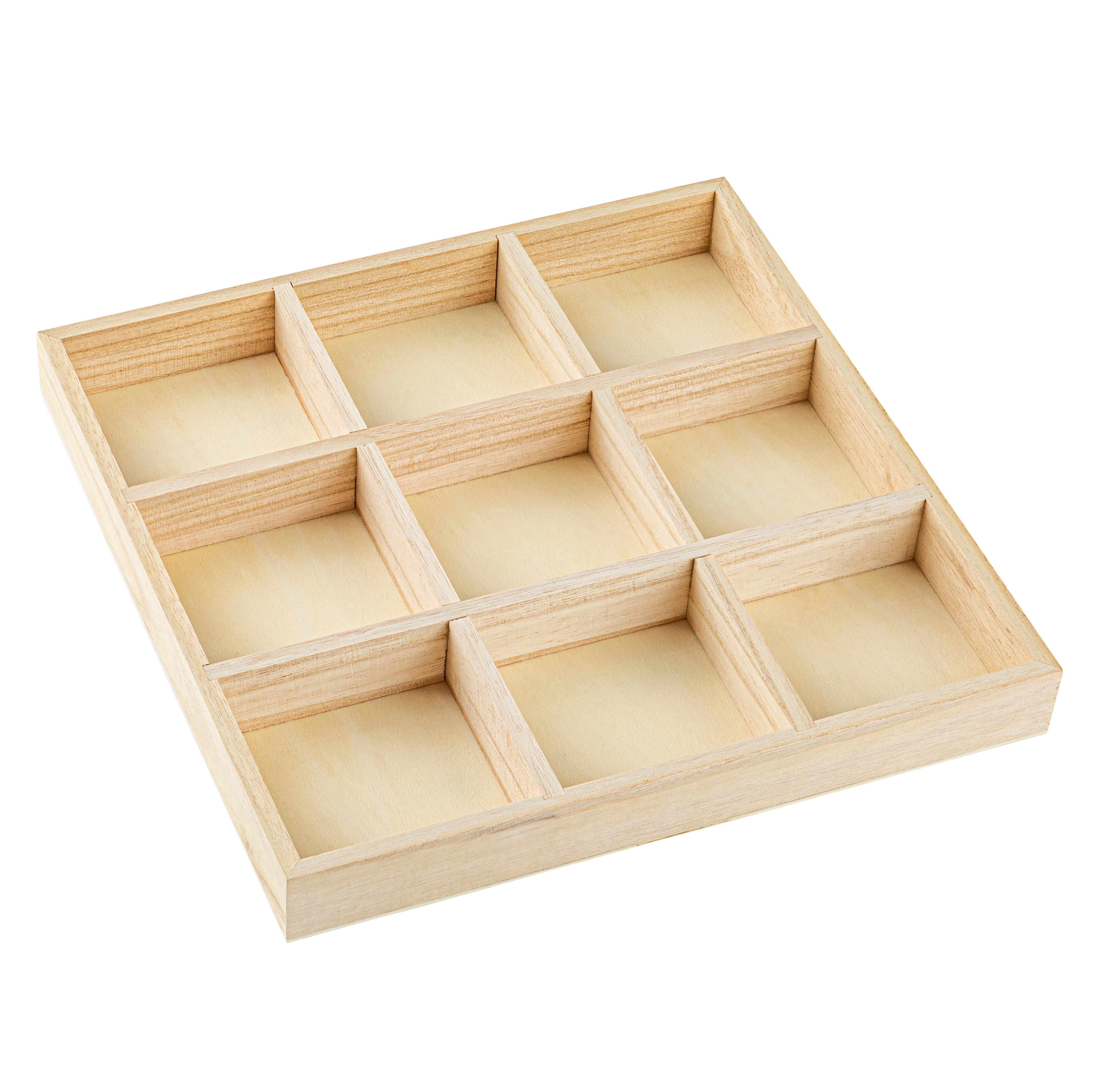
For corporate gifts that include multiple items—a cookie assortment in bakery boxes, a wine-and-snack pairing, or a curated gift set—use dividers or inserts to keep items organized and prevent shifting during transit. A gift that arrives with contents jumbled or damaged communicates the opposite of what you intended. Inserts also create visual structure: each item has its place, and the recipient sees a composed presentation rather than a pile of products.
Consider whether your packaging is shareable. In the age of social media and internal company channels, recipients often photograph gifts that feel special. Packaging that's visually coherent and thoughtfully composed is more likely to be shared, extending the reach of your gesture. This doesn't mean chasing Instagram trends—it means creating a presentation that the recipient is proud to show colleagues or post about.
Many companies run tiered corporate gift programs: one level for clients, another for employees, and perhaps a third for partners or vendors. When these tiers use completely unrelated packaging—different colors, different materials, different branding approaches—the lack of coordination signals disorganization rather than segmentation. Recipients who receive gifts at different tiers (or who see what others received) notice the inconsistency.
The fix is to develop a coordinated packaging system where tiers share a visual language but vary in scale, materials, or finishing. For example, all tiers might use the same color palette and typography, but the client tier uses rigid boxes while the employee tier uses folding cartons. Or all tiers use kraft packaging, but the premium tier includes custom printing and ribbon closures while the standard tier uses labels and twine.
This approach maintains brand consistency while clearly differentiating gift levels. It also simplifies procurement and inventory management: you're working with variations of a system rather than entirely separate packaging lines. When planning holiday gift timelines, coordinated systems reduce lead times because you're ordering related formats from the same supplier rather than managing multiple vendor relationships.
Single-use packaging that goes straight to recycling or trash represents a missed opportunity. Packaging that recipients can reuse—for storage, organization, or regifting—extends the lifespan of your gesture and keeps your brand present in a functional, non-intrusive way. This is especially relevant for corporate gifts, where recipients often receive multiple items and need organizational solutions.
Reusable packaging doesn't mean generic storage bins. It means boxes with clean interiors, sturdy construction, and neutral or elegant exteriors that fit into a home or office environment. A rigid box with a magnetic closure can hold desk supplies, charging cables, or personal items long after the original gift is consumed. A well-made gift bag with reinforced handles can be reused for future gifting or grocery runs.
The key is to design packaging that's desirable to keep. Avoid interiors printed with promotional messaging, exterior finishes that scuff easily, or construction that weakens after one use. If the packaging is genuinely useful and attractive, recipients will keep it—and your brand remains present in their environment without feeling pushy. This is the opposite of over-branding: it's a quiet, functional brand presence that recipients choose to maintain.
Corporate gift recipients—especially in B2B contexts—are increasingly attentive to sustainability. Packaging that uses excessive plastic, non-recyclable materials, or unnecessary layers sends a signal about your company's values that may conflict with the relationship you're trying to build. This is particularly true for clients in industries with strong environmental commitments or for companies that publicly prioritize sustainability.
The fix is not to greenwash or make exaggerated claims, but to make practical material choices that align with current best practices. Paper-based packaging, recyclable materials, and minimal use of mixed-material components (plastic windows in paper boxes, laminated finishes that can't be recycled) are baseline expectations. If your company has sustainability commitments, the packaging around your corporate gifts should reflect those values.
Communicate material choices clearly but without fanfare. A small note on the box interior or card insert that says "This packaging is made from recycled materials and is fully recyclable" provides information without turning the gift into a sustainability lecture. The goal is alignment: the packaging should support your values without overshadowing the gesture.
Over-branding is the most common and most damaging mistake. When packaging is covered in logos, taglines, and brand colors, the gift feels like marketing collateral rather than a relationship gesture. Recipients perceive it as promotional, which undermines the intent. The fix is to brand the packaging subtly—one logo placement, a custom card, or branded outer materials—while leaving the gift itself and the interior presentation focused on the recipient.
A general guideline is to allocate 15–25% of the total gift budget to packaging, depending on the gift value and relationship tier. For a $100 gift, $15–$25 in packaging ensures the presentation matches the contents without over-packaging. For lower-value gifts, packaging can represent a higher percentage because base costs (boxes, tissue, cards) don't scale linearly. The key is coherence: packaging should feel proportional to the gift, not inflated or mismatched.
Use different materials, finishes, and design approaches for relationship gifts versus promotional items. Relationship packaging should use heavier paper stocks, matte or soft-touch finishes, and restrained branding. Include at least one personalized element—recipient name, custom messaging, or a reference to a shared milestone. Avoid high-gloss coatings, bold graphics, and lightweight materials that signal bulk production. The goal is to make the recipient feel individually considered, not part of a mass mailing.
No. A one-size-fits-all approach signals that the program was designed for operational convenience rather than relationship building. Segment your packaging by recipient role, industry, or cultural context. Develop two or three templates that can be deployed based on these factors. For example, clients in creative industries may appreciate bold, design-forward packaging, while clients in regulated industries prefer understated, logo-free presentation. Cultural considerations—color symbolism, material preferences—also matter for international recipients.
Ask yourself: if you removed all branding, would this packaging still feel like a gift, or would it feel like an empty box? If the answer is "empty box," you're over-relying on branding to carry the presentation. Other signals: the packaging uses the same materials and design as your trade-show giveaways, the logo appears more than once, or the color scheme is entirely your brand colors with no consideration for the recipient's preferences. Relationship packaging should feel elegant and thoughtful even without visible branding.
Corporate gift packaging mistakes are rarely about budget—they're about intent misalignment. The packaging around a gift communicates whether you see the recipient as a valued partner or a marketing target, whether you invested thought or just budget, and whether the gesture is about them or about you. Avoiding these mistakes requires stepping back from operational defaults and asking what the packaging signals before the recipient even opens it.
The companies that get corporate gifting right understand that packaging is not a container—it's a message layer. Every material choice, every branding decision, every detail in the unboxing sequence either reinforces or contradicts the relationship you're trying to build. When packaging aligns with intent, the gift lands as appreciation. When it doesn't, even expensive gifts feel transactional.
If you're planning a corporate gift program, start with packaging strategy before you select gifts. Define what you want the recipient to feel when they open the box, then work backward to the materials, branding, and details that support that feeling. The investment in thoughtful packaging—whether that's a refined cube gift box, custom inserts, or simply better-quality tissue paper—pays off in how the gesture is received and remembered.
Corporate gift packaging is one of the few brand touchpoints where you have the recipient's full attention, in a moment designed to build goodwill. Don't waste it by repeating the mistakes that turn relationship gifts into promotional noise.