Cart
0
You may also like


Book a call with our development team to get started.



Apply online and access wholesale pricing.

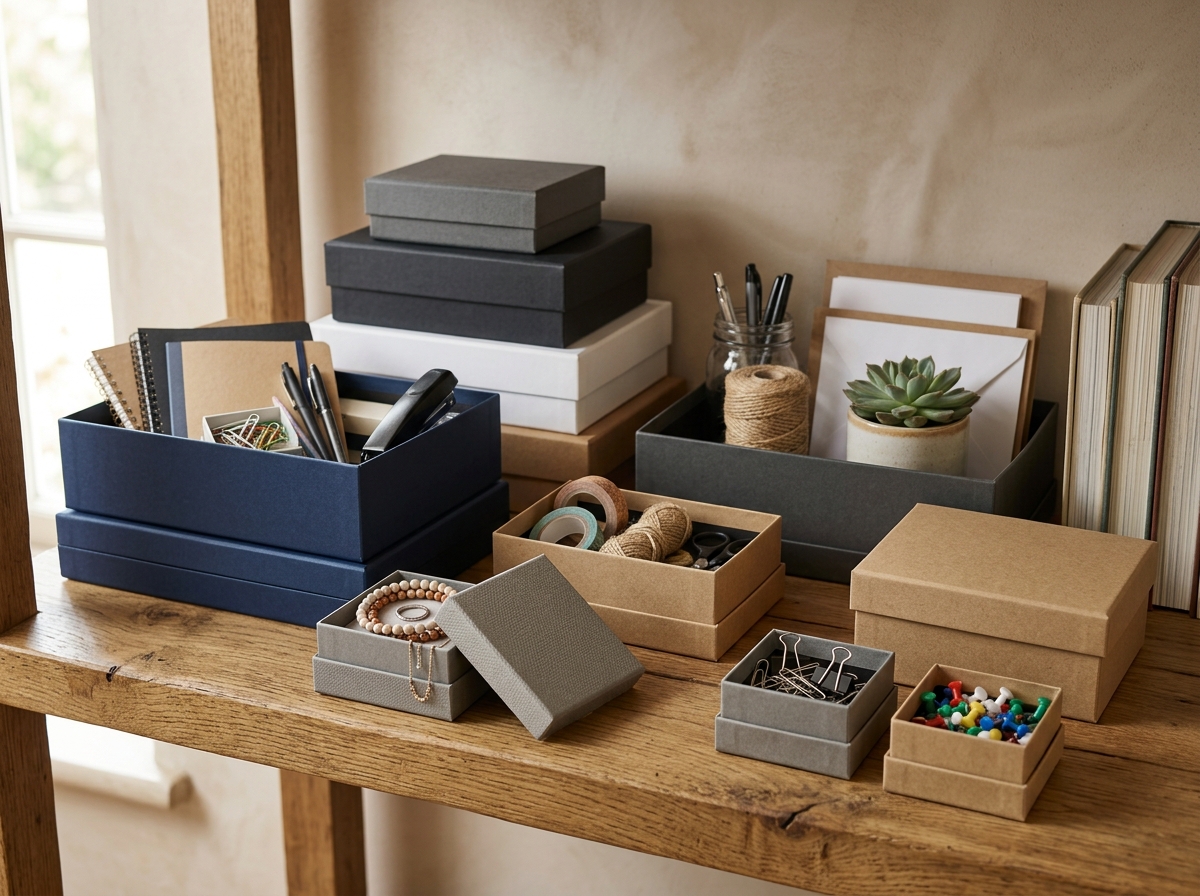
When a client keeps your gift box long after the contents are gone—using it to store keepsakes, organize a desk drawer, or hold jewelry—your brand stays visible for months or years beyond the initial handoff. That extended presence is the quiet promise of reusable corporate gift boxes: packaging designed to be kept, not discarded. For companies evaluating corporate holiday gift packaging strategies, the shift from single-use wrapping to durable, storage-friendly boxes changes the cost-per-impression equation and deepens recipient relationships in ways disposable packaging cannot match.
Unlike folding cartons or gift bags that flatten after one use, reusable corporate gift boxes are built from rigid paperboard, feature secure closures—often magnetic—and hold their shape when empty. Recipients recognize the quality immediately, and many choose to repurpose the box rather than recycle it. That second life transforms packaging from a one-time expense into a recurring brand touchpoint, a shift that matters when budgets are scrutinized and sustainability commitments are public.
Single-use gift wrap delivers one moment: the unboxing. Reusable boxes deliver dozens. A Zacros America industry report notes that 77 percent of executives say sustainability initiatives increase customer loyalty, and 53 percent of consumers have switched to lesser-known brands if they are sustainable. When a box is kept and reused, the recipient encounters your branding each time they open a drawer, pack for travel, or organize a shelf. That repeated exposure compounds over time, turning a single gift into a long-term reminder of the relationship.
Cost-per-impression analysis favors reusable formats when you account for lifespan. A disposable gift bag might cost two dollars and generate one brand moment. A rigid magnetic-closure box might cost six to twelve dollars but generate fifty or more moments over a year of reuse. The per-impression cost drops below that of single-use options, and the perceived value rises because the recipient chose to keep it.
Research on reusable packaging indicates that brand perception improves when consumers view the packaging as useful beyond its initial purpose. A study published in the Journal of Sustainability found that reusable packaging can strengthen green brand image, particularly for dry products, and that this effect indirectly influences purchase intentions and willingness to pay. While that research focused on consumer goods, the principle applies to corporate gifting: recipients who value sustainability notice when a company chooses packaging designed for a second life.
Reusable corporate gift boxes are typically constructed from greyboard—a dense, recycled paperboard ranging from 1mm to 3mm thick—wrapped in printed paper, kraft, linen-texture stock, or leatherette. The rigid structure holds its shape under stacking, shipping, and repeated opening, which is why these boxes are often called "set-up boxes" or "rigid boxes" in the packaging industry. Unlike corrugated or folding cartons, they do not collapse when empty, a feature that signals permanence and encourages reuse.
Material selection affects both durability and brand alignment. Kraft-wrapped boxes convey an eco-conscious aesthetic and pair well with quiet branding strategies that favor subtlety over logo-heavy designs. Printed art paper allows full-color graphics and foil stamping, useful when brand recognition is the priority. Linen or leatherette finishes add tactile appeal and elevate perceived value, making the box feel more like a keepsake than packaging.
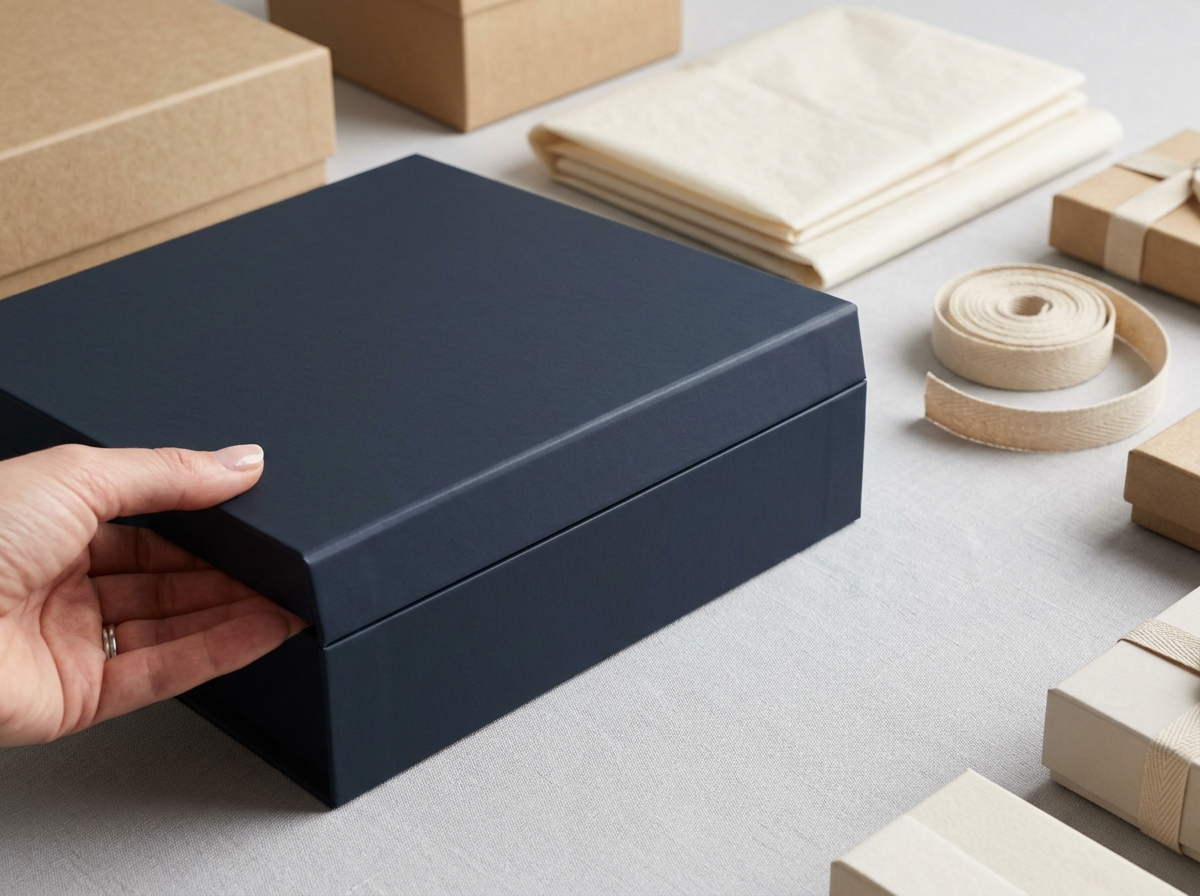
Thickness matters for reuse. A 1mm greyboard box works for lightweight items and short-term storage; a 2mm or 3mm board supports heavier contents and withstands years of handling. For corporate programs shipping to multiple recipients, thicker board reduces the risk of damage in transit and ensures the box arrives in gift-ready condition, ready to make that first impression and many more after.
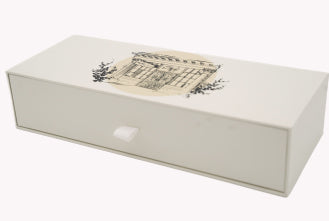
Magnetic closures have become the standard for premium reusable gift boxes because they combine security with a satisfying tactile moment. A neodymium magnet embedded in the lid aligns with a steel plate or opposing magnet in the base, creating a clean "snap" when the box closes. That sound and feel signal quality to the recipient and eliminate the need for ribbons, adhesive tabs, or tuck flaps that wear out over time.
The closure mechanism also supports reuse. Unlike boxes that rely on tape or fragile folds, a magnetic box can be opened and closed hundreds of times without degradation. Recipients use them to store items they access regularly—jewelry, cables, business cards—because the box stays functional and attractive. Industry sources note that magnetic closure rigid boxes are widely used for packaging high-value items such as skincare products, watches, tech accessories, and custom kits, all categories where repeat handling is expected.
From a branding perspective, the unboxing moment matters. A well-designed magnetic box creates anticipation as the lid lifts and reveals the contents. That moment is often photographed and shared, particularly in corporate gifting contexts where recipients post thank-you messages on social media. The box itself becomes part of the story, a visual anchor that reinforces the sender's attention to detail and commitment to quality.
Reusability depends on practical dimensions. A box that is too large or awkwardly shaped gets discarded; one that fits neatly on a shelf or in a drawer gets kept. Common sizes for corporate gift boxes range from 6×6×3 inches (small keepsakes, jewelry) to 10×10×4 inches (apparel, multi-item sets). Shallow boxes under three inches deep fit into desk drawers and bathroom cabinets; deeper boxes hold bulkier items but require more storage space.
Internal layouts extend utility. A structured kraft gift box with a foam insert can be repurposed to hold watches or small electronics; a box with a ribbon-tied compartment becomes a travel organizer. Some companies design boxes with removable inserts so recipients can reconfigure the interior for their own needs, a feature that increases the likelihood of long-term reuse.
Collapsible magnetic boxes offer a middle ground. These designs use a rigid frame with fold-flat walls, allowing the box to collapse for storage when not in use and reassemble when needed. While not as durable as fully rigid boxes, collapsible versions appeal to recipients with limited storage space and still deliver the premium feel of a magnetic closure.
Budget conversations in corporate gifting often focus on unit cost without accounting for lifespan. A reusable rigid box costs three to six times more than a folding carton or gift bag, but if the box generates ten times as many brand impressions, the investment pays off. To calculate cost-per-impression, divide the box cost by the estimated number of times the recipient will see or interact with it over its useful life.
Example: A single-use gift bag costs $2 and generates one unboxing moment. Cost-per-impression: $2. A reusable magnetic box costs $8 and is kept for a year, generating an estimated 50 impressions (weekly desk organization, monthly travel packing). Cost-per-impression: $0.16. The reusable box delivers twelve times more value per dollar spent, and that calculation does not account for the quality signal the box sends during the initial gift exchange.
Volume pricing affects the equation. Rigid boxes typically carry higher minimum order quantities—often 100 to 500 units—but per-unit costs drop significantly at scale. A company ordering 500 boxes may pay $6 each; ordering 2,000 may bring the cost to $4. For annual corporate gifting programs or tiered employee recognition initiatives, those savings add up. The minimum order quantity planning process should account for both immediate needs and the potential to reorder matching boxes for future campaigns, maintaining brand consistency across years.
Reusable packaging aligns with corporate sustainability goals in ways that disposable options cannot. A box designed for a second life reduces waste, and recipients notice. When paired with a brief note explaining the box's reusability—"We hope you'll find a second use for this box"—the gesture reinforces the company's environmental commitment without requiring a lengthy sustainability statement.
Material sourcing matters to recipients who scrutinize green claims. Boxes made from recycled greyboard and printed with soy or water-based inks carry credibility; those wrapped in virgin paperboard or laminated with plastic film do not. FSC-certified materials—sourced from responsibly managed forests—add third-party verification, useful when corporate gifting programs are part of a broader ESG strategy.
Research on consumer behavior indicates that reusable packaging can enhance brand loyalty and purchase intention when the environmental messaging is authentic. A study in the Journal of Retailing found that packaging with high environmental propaganda satisfaction improves consumers' brand loyalty and continuance intention, while low-quality messaging can have negative effects. The lesson for corporate gifting: if you choose reusable boxes, commit to the sustainability story and ensure the materials match the message.
A box kept for months or years must age well visually. High-contrast logos or trend-driven colors may look dated after a season; neutral tones and classic typography remain relevant. Many companies opt for quiet branding—a small debossed logo, a subtle foil stamp—that recipients feel comfortable displaying in their homes or offices. Loud branding works for single-use packaging meant to grab attention; understated branding works for keepsakes meant to stay.
Finish durability affects reuse. Matte lamination resists fingerprints and scuffs better than gloss; soft-touch coatings add tactile appeal but can wear at corners. Foil stamping in gold, silver, or copper holds up well over time and adds a premium detail that justifies the box's cost. Embossing or debossing creates texture without color, a technique that works for minimalist designs and remains legible even as the box ages.
Interior color choices influence perceived versatility. A box lined in neutral kraft, white, or black feels more reusable than one lined in bright seasonal colors. If the interior matches the exterior in tone, recipients are more likely to keep the box visible on a shelf; if the interior clashes, the box gets hidden or discarded. Small details—like a ribbon loop for easy lid removal or a magnetic closure strong enough to hold securely but not so strong it frustrates opening—add to the user experience and encourage continued use.
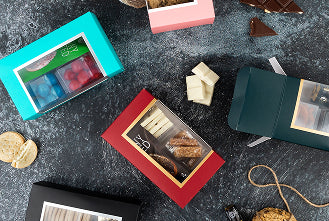
Reusable boxes fit naturally into tiered corporate gift packaging strategies, where different recipient groups receive gifts at different price points. Executive clients might receive a large magnetic-closure box with a premium insert; mid-tier clients might receive a smaller cube tuck-top box in kraft. Both are reusable, but the size and finish signal the relationship's importance.
Consistency across campaigns builds recognition. A company that uses the same box style and color palette for annual holiday gifts, milestone anniversaries, and new-client welcome packages creates a visual signature. Recipients begin to associate the box itself with the brand, and the reuse extends that association into their daily routines. Over time, the packaging becomes a subtle brand asset, recognized without needing a logo.
Timing considerations matter. Reusable boxes take longer to produce than stock gift bags—typically four to eight weeks for custom orders—so planning must align with the corporate holiday gift packaging timeline. Companies ordering for December delivery should finalize designs and place orders by late September or early October to allow for production, shipping, and internal assembly. Rush orders are possible but often carry premium pricing that erodes the cost-per-impression advantage.
Technology companies use reusable boxes to package branded accessories—chargers, headphones, portable batteries—knowing the box will be repurposed for cable storage or travel. Financial services firms send year-end client gifts in rigid boxes that recipients use to organize receipts or store business cards. Hospitality brands include welcome gifts in magnetic-closure boxes that guests take home and reuse for toiletries or jewelry, extending the brand's presence beyond the stay.
Subscription services and employee recognition programs benefit from reusable formats because the boxes accumulate over time. A quarterly corporate gift program that sends the same box style in rotating colors creates a collectible set; recipients stack the boxes on a shelf, and the visual repetition reinforces the program's consistency. Employee milestone gifts—five-year anniversaries, promotions—arrive in boxes substantial enough to feel ceremonial, and the box itself becomes a keepsake tied to the achievement.
Event gifting and conference swag increasingly use reusable boxes instead of disposable tote bags. A wine bottle gift box with a magnetic closure can be reused to store bottles at home, and the box's presence in a recipient's wine rack keeps the event top-of-mind. Conference kits packed in rigid boxes with compartments for notebooks, pens, and tech accessories outlast the event and serve as desk organizers, a more useful outcome than a branded tote that ends up in a closet.
Reusable rigid boxes with magnetic closures typically cost $4 to $12 per unit depending on size, materials, and order volume, compared to $1 to $3 for folding cartons or gift bags. However, when you calculate cost-per-impression over the box's lifespan—accounting for the dozens of times a recipient interacts with a kept box versus one unboxing with disposable packaging—reusable boxes often deliver better value. Volume discounts at quantities above 500 or 1,000 units can bring per-unit costs closer to premium folding options while maintaining the durability and brand presence advantages.
Reusable corporate gift boxes are built from rigid greyboard (1mm to 3mm thick) that holds its shape when empty, feature durable closures like magnetic snaps that withstand repeated opening, and use dimensions that fit common storage needs—desk drawers, shelves, travel bags. Disposable boxes typically use thinner folding carton stock, rely on tuck flaps or adhesive that degrades after one use, and lack the structural integrity to serve a second purpose. Material finish also matters: matte lamination, soft-touch coatings, and neutral colors age better and encourage recipients to keep the box visible.
Divide the total cost of the box by the estimated number of brand impressions it will generate over its useful life. For example, if a reusable box costs $8 and the recipient uses it for desk storage, encountering it an estimated 50 times over a year, the cost-per-impression is $0.16. Compare that to a $2 disposable gift bag that generates one impression (the unboxing), for a cost-per-impression of $2. The calculation becomes more favorable for reusable boxes when recipients keep them for multiple years or use them daily, compounding the impression count.
Most manufacturers set minimums between 100 and 500 units for custom rigid boxes with magnetic closures, though some specialty suppliers offer runs as low as 50 units at higher per-unit costs. Stock boxes in standard sizes and neutral colors may have lower minimums or no minimum at all, but customization options are limited. For corporate programs planning annual or quarterly gifting, ordering in volumes of 500 to 2,000 units unlocks better pricing and ensures consistency across campaigns. Lead times for custom orders typically range from four to eight weeks, so plan accordingly.
Reuse rates depend on box quality, design, and utility. Industry observations suggest that rigid boxes with magnetic closures are kept and reused at significantly higher rates than folding cartons or gift bags, particularly when the box is neutral in color, practical in size, and well-constructed. Boxes used for jewelry storage, cable organization, travel packing, or desk tidying see the highest reuse. Boxes with loud seasonal graphics, awkward dimensions, or fragile closures are more likely to be recycled. Including a brief note suggesting reuse—"We hope this box finds a second life in your home or office"—can increase the likelihood that recipients keep it.
Reusable corporate gift boxes shift packaging from a single-use expense to a long-term brand asset. When a box is designed to be kept—built from durable materials, finished with attention to detail, and sized for practical reuse—it extends your brand's presence far beyond the initial gift exchange. For companies evaluating corporate gifting strategies, the cost-per-impression advantage, sustainability alignment, and relationship-building potential make reusable formats a strategic choice, not just a premium one.