Cart
0
You may also like

Book a call with our development team to get started.



Apply online and access wholesale pricing.

Clear packaging drives purchase decisions during Black Friday's peak shopping hours. Cellophane bags bulk black friday orders allow bakeries, candy retailers, and gift shops to showcase product quality while supporting the high-volume fulfillment demands of November 27-30. When customers can see what they're buying—whether it's decorated cookies, artisan chocolates, or curated gift sets—impulse purchases increase and packaging becomes a sales tool, not just a container.
This guide covers material selection, sizing for retail displays, bulk order planning, and fulfillment workflows specific to transparent packaging during the busiest retail weekend of the year. If you're managing Black Friday packaging for a food business or gift operation, cellophane bags offer a practical balance between product visibility, protection, and assembly speed.
Product visibility directly influences buying behavior, particularly during high-traffic shopping events. Clear packaging allows customers to assess quality before purchase, a factor that has shaped retail since cellophane's early adoption in the 1900s. Research from Harvard Business School notes that transparent packaging played a crucial role in developing self-service retail models, enabling shoppers to evaluate pre-packaged goods without clerk assistance.
For Black Friday specifically, visibility serves three operational purposes. First, it reduces decision time at checkout—customers don't need to ask questions about contents, which keeps lines moving during peak hours. Second, it minimizes returns by setting accurate expectations about product appearance and quantity. Third, it supports impulse buying; shoppers browsing a display of visible treats are more likely to add items to their cart than they would with opaque packaging.
Bakeries selling decorated holiday cookies, candy shops offering seasonal mixes, and gift retailers assembling curated sets all benefit from this transparency. A cellophane roll wrapped around a gift basket or a pre-filled bag on a shelf communicates value instantly—no marketing copy required.
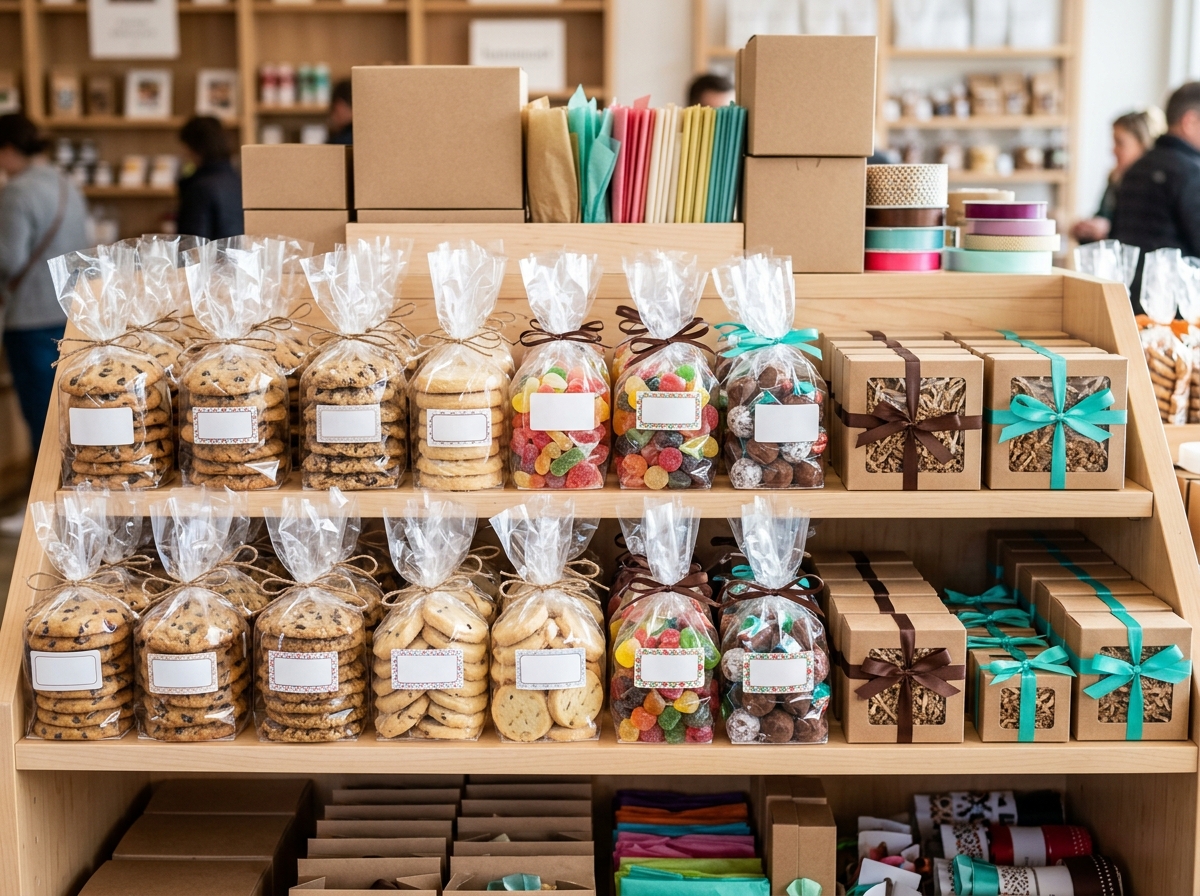
Not all clear bags are created equal, and material choice affects both product protection and environmental positioning. True cellophane is a plant-based film made from regenerated cellulose. It's biodegradable and compostable, which appeals to sustainability-focused brands, but it offers limited moisture resistance unless coated. For dry goods like cookies, pretzels, or candy, uncoated cellophane works well for short-term display and gift presentation.
OPP (oriented polypropylene) bags are the most common "cellophane-style" packaging in retail today. They're plastic-based, not plant-based, but they deliver superior clarity, moisture resistance, and durability during shipping. OPP is the go-to choice for bakeries that need product to stay fresh for several days or for retailers shipping online orders. The material is also more tear-resistant than true cellophane, which matters when bags are handled repeatedly in a busy retail environment.
Polypropylene bags without the oriented treatment are slightly less rigid but still clear. They're often used for bulk candy, nuts, or small gift items where a softer hand-feel is acceptable. For Black Friday fulfillment, OPP typically offers the best balance of clarity, protection, and cost-efficiency, especially when ordering in bulk.
Cellophane bags come in a range of sizes, from 3x5 inches for individual cookies to 11x14 inches or larger for gift baskets. Choosing the right size prevents wasted material and ensures a snug, professional presentation. A bag that's too large looks underfilled; a bag that's too small risks tearing during packing.
Closure methods also vary. Twist ties and ribbons are the fastest options for high-volume packing—your team can fill, twist, and tie in seconds. Heat-sealable bags require a sealing tool but deliver a more polished, tamper-evident finish. Adhesive-strip closures (peel-and-stick) fall in the middle: they're faster than heat sealing and more secure than twist ties, making them a popular choice for bakeries running Black Friday pre-orders.
For retailers managing diverse SKUs—say, a bakery offering cookies, brownies, and candied nuts—stocking 2-3 standard bag sizes and using consistent closures simplifies training for seasonal staff and speeds up fulfillment during peak hours.
Cellophane bags bulk black friday planning begins with accurate volume forecasting. Review last year's sales data for the November 27-30 window, then apply a growth factor if you're expanding product lines or adding online sales channels. Retailers using platforms like Shopify saw a 22% jump in Black Friday sales in recent years, which means packaging demand grew proportionally.
Wholesale suppliers typically offer tiered pricing—the per-unit cost drops significantly when you order cases of 1,000 or more bags instead of smaller packs. For most small to mid-sized operations, ordering 4-6 weeks before Black Friday provides the best balance between cost savings and delivery timing. Lead times for standard packaging run 5-10 business days, but freight delays can add another week during fall shipping peaks.
If you're ordering cellophane bags in bulk for the first time, calculate your needs by SKU. For example, if you plan to sell 500 cookie boxes and 300 candy bags, order at least 600 of each size to cover packing errors, quality checks, and last-minute add-ons. Running out of packaging mid-weekend is a fulfillment risk you can't afford during Black Friday.
Storage is the other consideration. Cellophane bags are lightweight but bulky. A case of 1,000 bags might occupy 2-3 cubic feet of shelf space. Warehouse storage planning should account for packaging materials arriving in September or early October, well before you need them for packing.
Speed matters during Black Friday fulfillment. Pre-packing popular items in the weeks before November 27 reduces last-minute bottlenecks and allows you to focus on custom orders and walk-in traffic during peak hours. Cellophane bags lend themselves to assembly-line packing: one person fills, another seals, a third labels or adds ribbons.
For bakeries, pre-pack shelf-stable items like decorated sugar cookies or biscotti by November 15. Store them in a cool, dry area, and you'll have ready-to-sell inventory when foot traffic spikes. Perishable items like frosted cupcakes or cream-filled pastries should be packed fresh, but you can still pre-stage bags, labels, and closures to speed the process.
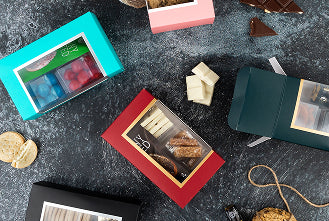
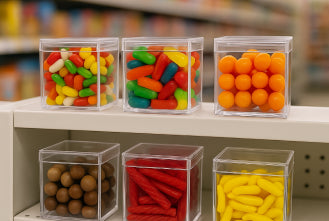
Candy retailers and gift shops can pre-fill bags with fixed assortments—holiday mixes, chocolate samplers, or themed gift sets—and display them on shelves or in baskets near checkout. Clear packaging turns these pre-packed items into visual merchandising tools; customers see the contents and grab them on impulse.
If you're managing both in-store and online fulfillment, consider dedicating one packing station to each channel. Online orders often require additional outer packaging (mailers or boxes), while in-store purchases may only need a resealable bag or a simple ribbon closure. Separating workflows prevents confusion and keeps both channels moving efficiently.
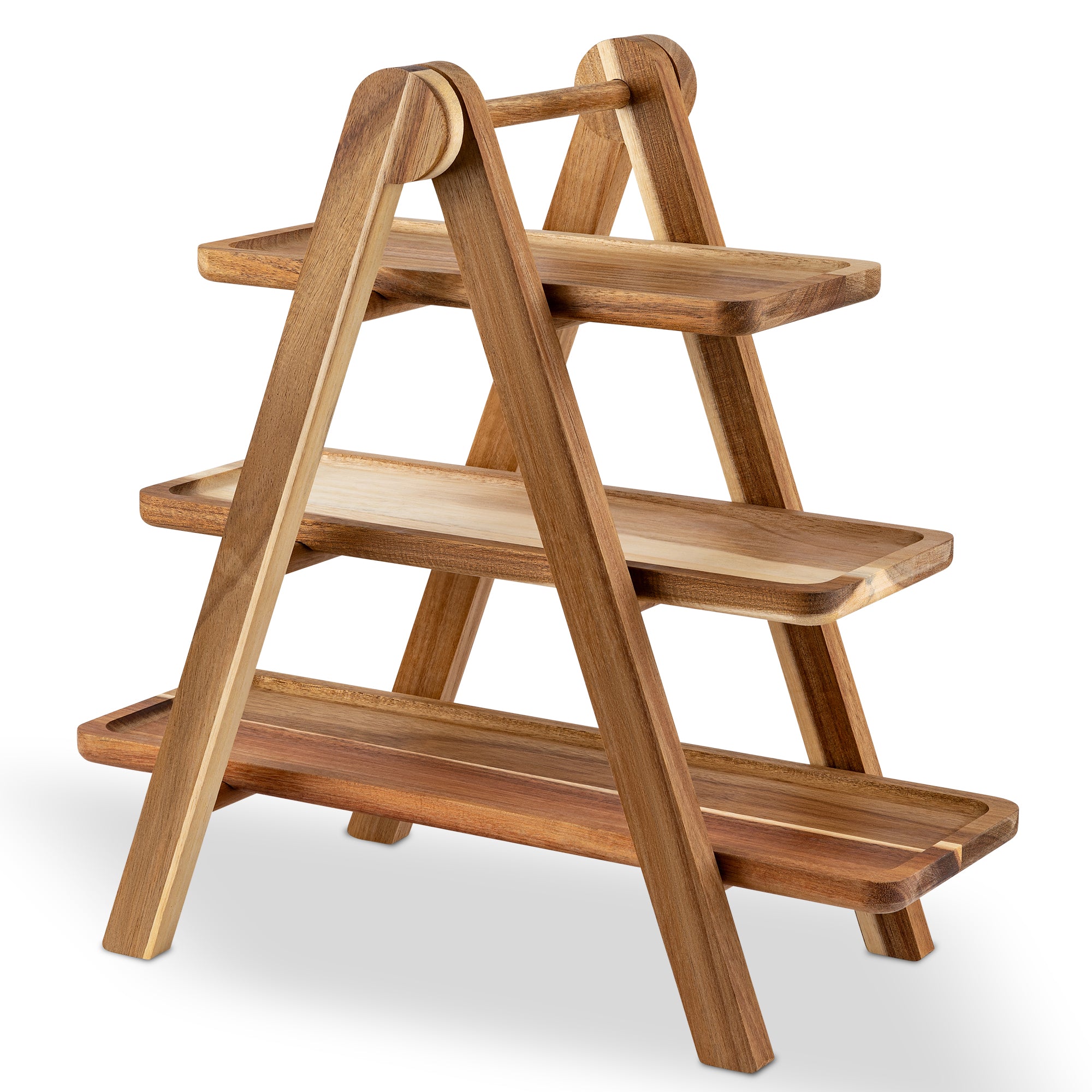
Clear packaging only drives sales if customers can see it. Display placement matters as much as the packaging itself. Position cellophane-wrapped items at eye level on shelves or in high-traffic areas near the entrance or checkout. Use tiered risers or baskets to create depth and draw attention to the product, not just the shelf.
Lighting also plays a role. Bright, even lighting enhances the clarity of cellophane and makes colors pop—whether it's the vibrant icing on cookies or the mix of candies inside a bag. Avoid backlighting, which can create glare and obscure product details.
For gift baskets or larger assemblies, use wide cellophane rolls to wrap the entire presentation, then finish with a ribbon or bow at the top. This approach works well for corporate gift sets, holiday hampers, or curated product bundles. The transparency shows off the contents while the ribbon signals "ready to gift," which appeals to time-pressed Black Friday shoppers looking for convenient solutions.
Signage should be minimal and clear. A small card or label stating the product name, price, and key details (e.g., "Gluten-Free" or "Contains Nuts") is enough. The packaging itself is doing the visual work; your signage just needs to answer the questions visibility can't—like allergen information or pricing.
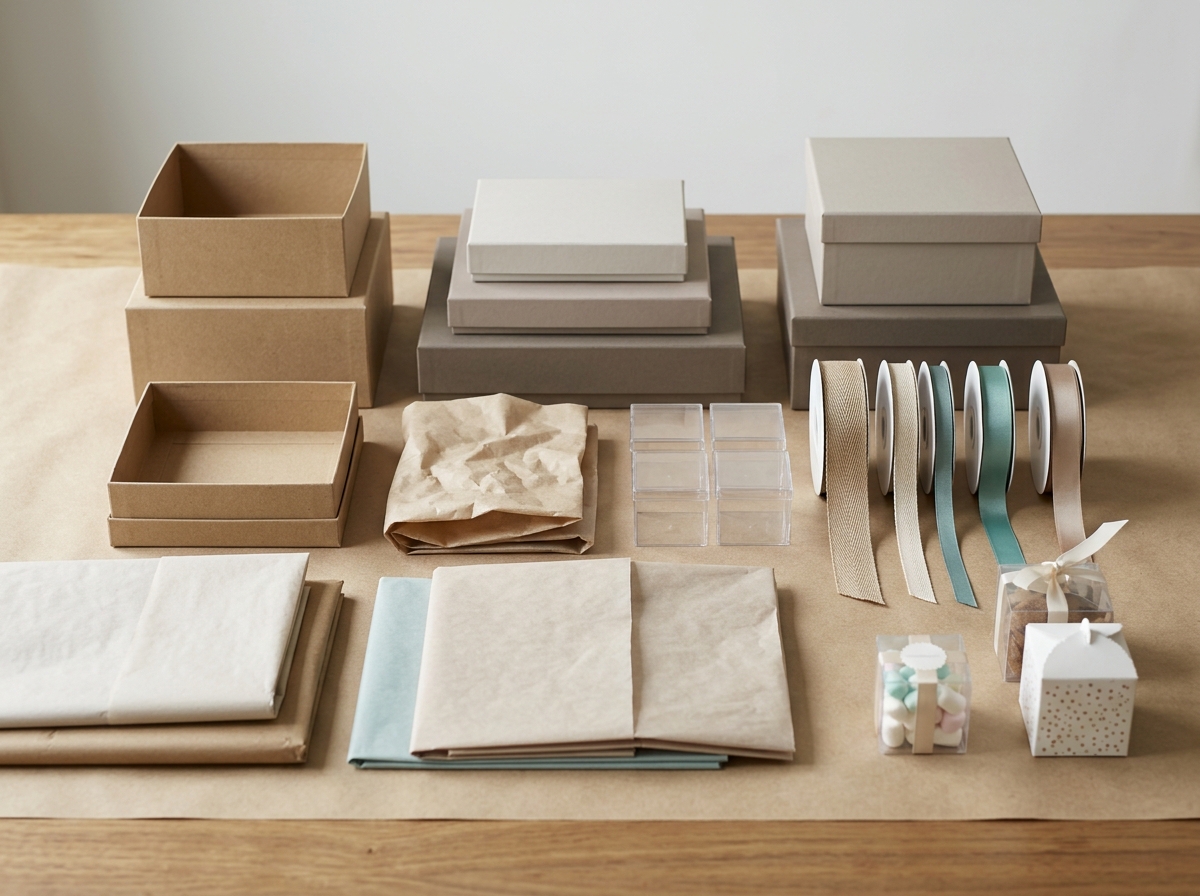
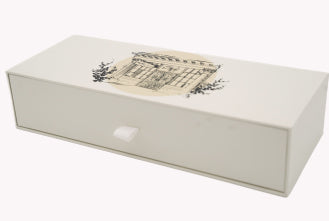
Cellophane bags work well on their own for casual gifts and grab-and-go items, but pairing them with rigid boxes elevates the presentation for premium products. A kraft gift box filled with chocolates or cookies, then wrapped in cellophane, signals higher value and justifies a higher price point.
This approach is particularly effective for corporate gifts, holiday party favors, or curated gift sets. The box provides structure and protection, while the cellophane adds a polished, finished look and keeps the contents secure during transport. For Black Friday, pre-assembling these combinations saves time and allows you to offer a "premium tier" alongside your standard packaging options.
Retailers managing high-volume gift box fulfillment can streamline this process by pre-folding boxes, pre-cutting cellophane sheets, and staging all materials at a dedicated packing station. Seasonal staff can then assemble, fill, wrap, and ribbon in a repeatable sequence that maintains consistency even during peak hours.
Cellophane bags are among the most cost-effective packaging options, but pricing varies by material, size, and order volume. True cellophane tends to be slightly more expensive than OPP due to its plant-based composition and biodegradability. OPP bags in bulk typically range from $0.05 to $0.20 per unit, depending on size and closure type.
When calculating your packaging budget, factor in closures (twist ties, ribbons, or adhesive strips), labels, and any additional materials like gift tags or stickers. A complete package might cost $0.15 to $0.50 per unit, which is still a fraction of the retail price for most bakery or candy products.
Wholesale suppliers often offer volume discounts at thresholds like 1,000, 2,500, or 5,000 units. Bulk packaging orders placed in September or early October lock in better pricing and ensure availability before Black Friday demand spikes. Waiting until November reduces your negotiating power and increases the risk of stockouts or delayed shipments.
Shoppers increasingly expect transparency—both literal and figurative—from the brands they support. If you're using biodegradable cellophane or compostable materials, communicate that on your signage or product labels. A small note like "Packaged in plant-based, compostable cellophane" can differentiate your brand and appeal to environmentally conscious customers.
Keep in mind that not all clear bags marketed as "cellophane" are actually biodegradable. OPP is plastic-based and should be recycled with other plastics, not composted. If sustainability is a core part of your brand positioning, verify material certifications with your supplier and ensure your messaging is accurate.
For retailers balancing sustainability with durability, one option is to use OPP for online orders (where moisture resistance and shipping durability matter most) and true cellophane for in-store sales (where the product will be consumed quickly and composting is feasible). This tiered approach allows you to meet both operational and environmental goals without compromising on either.
Cellophane bags are rarely your only packaging requirement during Black Friday. Most retailers also need outer boxes for shipping, gift bags for walk-in customers, tissue paper, and branded stickers or labels. Coordinating all these elements requires planning across multiple suppliers and delivery timelines.
Start by mapping out your complete packaging ecosystem. What goes inside the cellophane bag? What outer packaging does it need for shipping or gift presentation? What closure or finishing touches are required? Once you have that full picture, you can place orders strategically to ensure all materials arrive in the same window and nothing holds up your packing workflow.
For example, if you're selling cookies in cellophane bags that then go into small kraft boxes, both items should arrive by mid-October. If the bags arrive but the boxes are delayed, you can't complete your pre-packing. Stock planning should account for dependencies like this and build in buffer time for any component that might delay the full assembly.
Black Friday often requires hiring temporary staff to handle increased fulfillment volume. Clear, repeatable packing processes are essential when you're training people who may only work a few shifts. Cellophane bags are intuitive—fill, seal, label—but small details matter for consistency and speed.
Create a one-page visual guide for each SKU: product name, bag size, fill quantity, closure method, and label placement. Laminate these guides and post them at each packing station. During training, walk through the process once, then have new staff pack 3-5 practice units while you observe. This hands-on approach catches mistakes early and builds confidence before the rush begins.
For closures, standardize your method across all products if possible. If you're using twist ties for everything, staff only need to learn one technique. If different products require different closures, group similar items at the same station to minimize confusion. Speed comes from repetition, and repetition requires consistency.
Order cellophane bags 4-6 weeks before Black Friday to ensure delivery by mid-October. Standard lead times run 5-10 business days, but freight delays during fall shipping peaks can add another week. Ordering in early September provides the safest margin and locks in better wholesale pricing before seasonal demand increases. If you're ordering custom-printed bags, add an additional 2-3 weeks to the timeline.
For individual cookies or small treats, 3x5 or 4x6 inch bags work well. Half-dozen cookie assortments typically fit in 5x7 or 6x9 inch bags, while full-dozen boxes or larger baked goods require 8x10 or 11x14 inch sizes. Choose a bag that allows about 1 inch of clearance above the product for a clean closure without excess material. Testing a few sizes with your actual products before placing a bulk order prevents waste and ensures a professional fit.
Yes, most cellophane and OPP bags sold for food packaging are food-safe and approved for direct contact with baked goods, candy, and other consumables. Verify with your supplier that the bags meet FDA or relevant food-contact standards, especially if you're selling products that will be consumed immediately. For items with high oil or moisture content, choose bags with a moisture barrier or use an inner liner to prevent leaching or degradation.
Cellophane bags work for shipping if the product is sturdy and the bag is placed inside a protective outer box or mailer. OPP bags offer better moisture and tear resistance than true cellophane for shipping applications. For fragile items like decorated cookies, use a rigid box inside the cellophane, then pack that assembly in a shipping box with cushioning material. Clear bags alone don't provide enough protection for most shipped products, but they add a polished presentation layer inside the mailer.
True cellophane is made from plant-based cellulose and is biodegradable and compostable, but it has limited moisture resistance unless coated. OPP (oriented polypropylene) is a plastic-based film that offers superior clarity, durability, and moisture protection, making it the more common choice for retail food packaging. OPP is recyclable with plastics but not compostable. Choose true cellophane if sustainability and short-term use are priorities; choose OPP if you need durability, moisture resistance, or extended shelf life.
Clear packaging turns your products into their own best marketing during Black Friday's high-traffic hours. By planning cellophane bags bulk black friday orders early, coordinating with your broader packaging fulfillment strategy, and designing efficient packing workflows, you can deliver the visibility and speed that drive sales during the year's most competitive retail weekend.