Cart
0
You may also like

Book a call with our development team to get started.



Apply online and access wholesale pricing.

Lunar New Year 2027 begins January 30, ushering in the Year of the Goat with celebrations that extend through February 13. Whether you operate a gift shop preparing wholesale inventory or plan to package homemade treats for family gatherings, the right packaging transforms candy, sweets, and traditional gifts into culturally meaningful presentations. Red and gold gift boxes and bags signal prosperity and good fortune—but timing, sizing, and cultural symbolism determine whether your packaging resonates with tradition or misses the mark entirely.
This guide covers everything from B2B wholesale order windows to box dimensions for candy trays, cultural taboos that affect packaging choices, and finishing techniques that elevate red and gold aesthetics. By understanding both the practical requirements and symbolic significance of Lunar New Year packaging, you'll select boxes and bags that honor tradition while meeting the functional demands of retail display, gift presentation, and seasonal inventory planning.
Lunar New Year gifting centers on symbolic exchange. The presentation of candy boxes, bakery items, and red envelope gifts carries as much cultural weight as the contents themselves. Packaging communicates respect, conveys prosperity wishes, and demonstrates cultural awareness—particularly when navigating the intersection of traditional symbolism and modern retail expectations.
For B2B retailers, seasonal packaging drives purchase decisions during the concentrated 4-6 week shopping window before January 30. Customers seek boxes and bags that authentically represent Lunar New Year aesthetics while accommodating practical needs: stackable retail display, appropriate sizing for candy assortments, and durable construction for transport. For individual gift-givers, packaging choices reflect cultural literacy and personal thoughtfulness, making the difference between a generic presentation and one that honors the recipient's heritage.
The color palette alone carries specific meaning. Red symbolizes luck and wards off evil spirits, while gold represents wealth and prosperity. These aren't decorative choices—they're cultural requirements embedded in centuries of tradition. Similarly, motifs like lanterns, cherry blossoms, and zodiac animals (the Goat for 2027) connect packaging to broader festival symbolism, creating visual continuity across family gatherings, retail displays, and community celebrations.
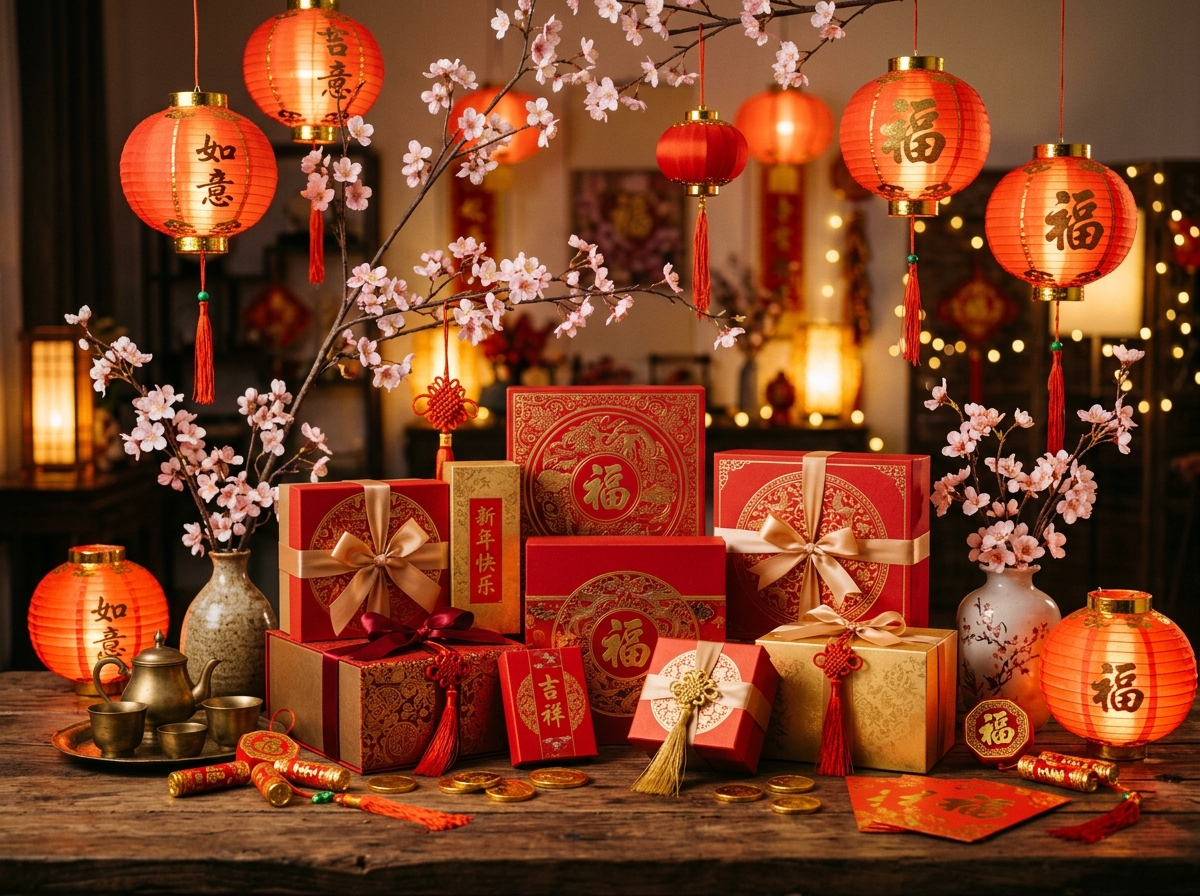
Lunar New Year 2027 falls on January 30, with celebrations continuing through the Lantern Festival on February 13. This 15-day period creates distinct procurement windows for B2B buyers and consumer shoppers. Retailers face the most critical timeline pressure: Seko Logistics notes that factories often stop accepting new orders 6-8 weeks before Lunar New Year, compressing the viable order window for seasonal packaging into November and early December 2026.
For retailers sourcing wholesale Lunar New Year packaging, the ideal order window opens November 21 and closes by December 5, 2026. This timeline accounts for production lead times, shipping delays, and the reality that Asian manufacturing facilities reduce capacity before the holiday and face labor shortages extending into March. Domestic wholesale suppliers maintain more flexible timelines but still recommend orders by mid-December to guarantee inventory availability for the January retail rush.
Consumer shoppers operate on a compressed schedule, typically beginning gift packaging purchases 4-6 weeks before January 30. This creates peak retail demand from late December through mid-January, when gift shops, party supply stores, and specialty retailers stock red and gold boxes and bags alongside candy, bakery items, and traditional gift components. Understanding this dual timeline—wholesale procurement versus consumer shopping—helps both retailers and individual buyers plan effectively. For detailed guidance on B2B order timing and minimum order quantities, see our wholesale packaging timeline.
Red and gold dominate Lunar New Year aesthetics for specific symbolic reasons that extend beyond visual appeal. Red (红 hóng) represents fire, which drives away bad luck and evil spirits according to traditional beliefs. Gold symbolizes wealth, prosperity, and the metal element associated with fortune and success. Together, these colors create the visual foundation for culturally appropriate packaging.
The intensity and application of red and gold matter as much as their presence. Bright, saturated red signals celebration and joy, while deeper crimson tones suggest sophistication and tradition. Gold appears in multiple forms: metallic foil stamping, printed gold ink, or actual gold-colored substrates. Each application carries different cost implications and visual impact, with foil stamping generally commanding premium pricing but delivering superior shine and tactile appeal.
When selecting packaging, consider how red and gold interact with other design elements. Traditional motifs like lanterns, plum blossoms, and the Year of the Goat imagery work best when rendered in gold against red backgrounds, or vice versa. This contrast ensures visual clarity while maintaining cultural symbolism. Avoid diluting the red-gold palette with competing colors—white and black carry funeral associations in Chinese culture and should be minimized or eliminated entirely from Lunar New Year packaging.
For retailers building seasonal displays, coordinating red and gold tones across different packaging formats creates visual cohesion. A cube kraft gift box can serve as a neutral base that customers personalize with red tissue paper or gold ribbon, while pre-decorated options offer turnkey solutions for shoppers seeking ready-made presentations.
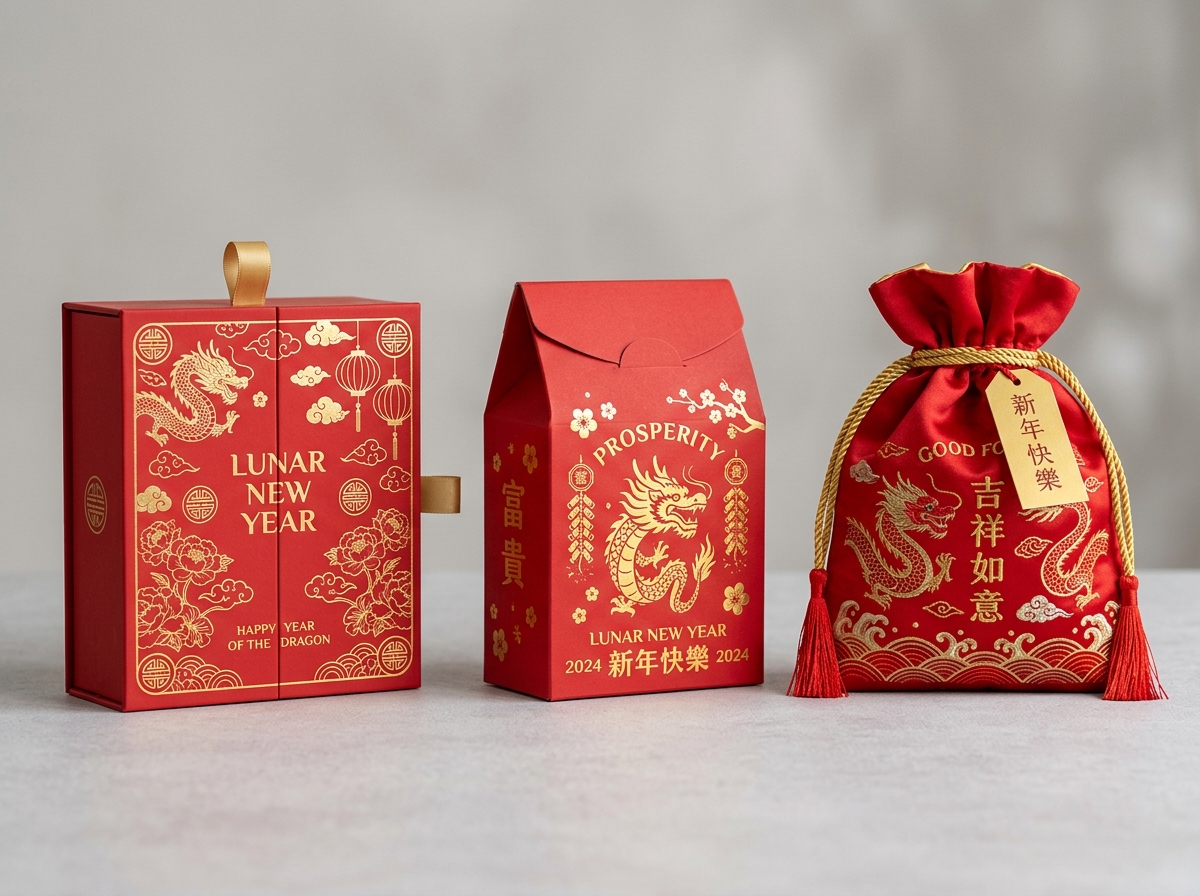
Lunar New Year gift packaging falls into three primary categories: rigid gift boxes, folding cartons, and gift bags. Each format serves distinct functional and symbolic purposes, with selection depending on gift type, budget constraints, and presentation preferences.
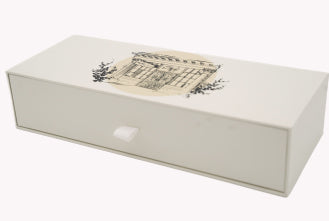
Rigid Gift Boxes offer premium presentation for high-value gifts like jewelry, specialty teas, or curated candy assortments. These boxes feature sturdy construction with separate lids, often incorporating magnetic closures or ribbon ties. The structural integrity supports stacking and retail display while conveying gift significance through substantial feel and refined appearance. Rigid boxes accommodate foil stamping and embossing particularly well, making them ideal for premium red and gold finishing techniques.
Folding Cartons and Tuck-Top Boxes balance cost efficiency with attractive presentation. These one-piece designs fold flat for storage and ship economically, then assemble quickly for retail display or gift preparation. Tuck-top construction provides secure closure without additional fasteners, while windowed versions showcase candy, cookies, or bakery items inside. The flat surfaces accept both printed designs and applied decorations, offering flexibility for seasonal customization. Small 2x2x2 white tuck-top boxes work particularly well for individual candy portions or small jewelry items, serving as building blocks for larger gift presentations.
Gift Bags provide versatile, reusable packaging that accommodates irregular shapes and last-minute gift assembly. Non-woven fabric bags deliver durability and upscale appearance, while paper bags with cord handles offer economical solutions for retail environments. The vertical format suits bottle packaging, stacked candy boxes, or bundled gift sets. Bags also facilitate easy customization—retailers can stock neutral bags and add red tissue paper, gold ribbon, or decorative tags to create Lunar New Year-specific presentations without committing to pre-printed seasonal inventory.
For a comprehensive comparison of when to use boxes versus bags for different gift types, consult our guide on choosing between gift boxes and bags.
Proper sizing ensures packaging complements rather than overwhelms gift contents. Lunar New Year gifts typically fall into specific categories with corresponding dimensional requirements: candy and sweet assortments, bakery items, red envelope presentations, and specialty gift sets.
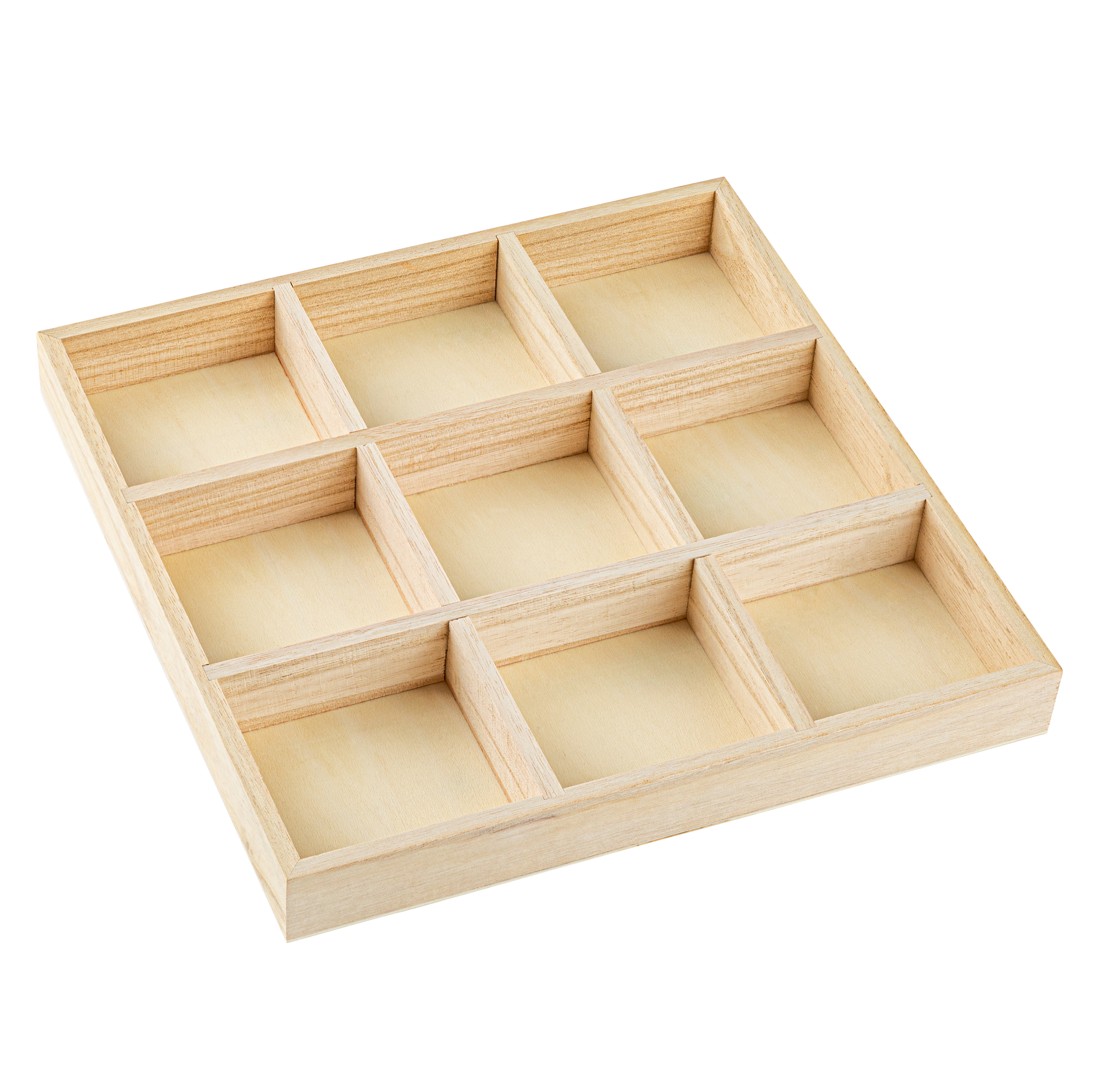
Candy and Sweet Boxes range from 2x2x2 inches for individual chocolate coins or small candy portions to 4x4x4 inches for mixed assortments. Traditional candy trays (攢盒 cuán hé) organize sweets, dried fruits, and seeds into compartmented sections, requiring boxes with 6-8 inch square footprints and 2-3 inch depths. The 3x3x3 cube box hits a sweet spot for single-serving candy presentations, while larger formats accommodate family-sized assortments.
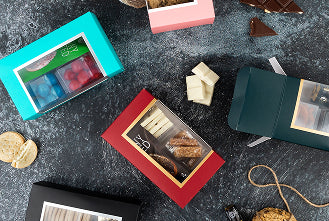
Bakery and Cookie Packaging demands different proportions. Cookies and traditional pastries like almond cookies or pineapple cakes require shallow, wide boxes that prevent stacking damage. A 6x6x3 inch box accommodates a dozen standard cookies with minimal movement, while 8x8x4 inch formats suit layered presentations. Windowed boxes prove particularly effective for bakery items, allowing visual confirmation of contents while maintaining protective enclosure. Our article on windowed bakery boxes explores transparent packaging options in detail.
Red Envelope Gift Boxes serve a specialized function. Red envelopes (红包 hóngbāo) containing cash gifts are Lunar New Year staples, but presenting multiple envelopes or pairing them with small gifts requires appropriate packaging. Slim boxes measuring 5x3.5x1 inches accommodate standard envelope dimensions, while slightly larger 6x4x2 inch boxes allow room for decorative elements or small accompanying gifts. For guidance on packaging red envelope presentations, see red envelope packaging techniques.
Multi-Item Gift Sets benefit from modular sizing. A 4x4x4 black cube box can nest inside larger gift bags or coordinate with other boxes to create tiered presentations. This approach allows gift-givers to combine candy, tea, and small decorative items while maintaining visual coherence through consistent packaging style.
Retailers should stock multiple sizes within the same design family, enabling customers to select appropriate dimensions while maintaining aesthetic continuity across different gift types. For detailed sizing recommendations specific to candy and sweet packaging, reference our candy box sizing guide.
Cultural symbolism in Lunar New Year gifting extends beyond color choices to encompass numbers, imagery, and material selections. Understanding taboos prevents unintended offense and demonstrates cultural respect—particularly important for retailers serving diverse customer bases and individuals gifting across cultural contexts.
The Number Four represents the most significant numerical taboo. In Mandarin, four (四 sì) sounds nearly identical to death (死 sǐ), making any association with this number deeply inauspicious. Avoid packaging sets of four items, boxes with four compartments, or prices ending in four. When assembling gift boxes or candy assortments, opt for sets of six, eight, or other even numbers. Eight carries particularly positive associations, as the word for eight (八 bā) sounds similar to prosperity (发 fā).
This extends to packaging quantities as well. Retailers should avoid selling boxes in packs of four or pricing items at amounts like $4.00, $14.00, or $24.00. Instead, structure pricing around auspicious numbers or neutral values. As one cultural guide notes, "a set of four gifts should be avoided; whereas a set of eight is considered to bring luck."
Black and White Color Restrictions stem from funeral associations. While small amounts of black or white may appear as accent colors, dominant use of either color signals mourning and death—the opposite of Lunar New Year's celebratory intent. This affects packaging substrate choices, printed designs, and decorative elements. If using kraft or white boxes as base packaging, ensure customers can easily cover or customize them with red and gold elements to avoid funeral color associations.
Sharp Object Imagery carries symbolic risk. Knives, scissors, and other sharp implements suggest severing relationships or cutting ties. Avoid packaging designs featuring these items, even in stylized or decorative contexts. Similarly, clock imagery references time running out and carries death associations through linguistic similarity between "giving a clock" and "attending a funeral."
Appropriate Gifting Pairs follow cultural norms around even numbers representing good fortune. Traditional practice favors giving items in pairs—two bottles of wine, two boxes of candy—symbolizing harmony and completeness. When designing packaging or creating gift sets, structure contents around even quantities while avoiding the number four.
For comprehensive coverage of cultural symbolism, color meanings, and traditional motifs appropriate for Lunar New Year packaging, see our guide to Lunar New Year packaging symbolism. Understanding what fills traditional candy trays also informs packaging choices; our article on candy tray traditions explores customary contents and their symbolic meanings.
Finishing techniques elevate standard packaging into premium presentations that command higher price points and convey gift significance. For Lunar New Year packaging, foil stamping, embossing, and specialty coatings transform red and gold aesthetics from printed approximations into tactile, light-reflective surfaces that enhance perceived value.
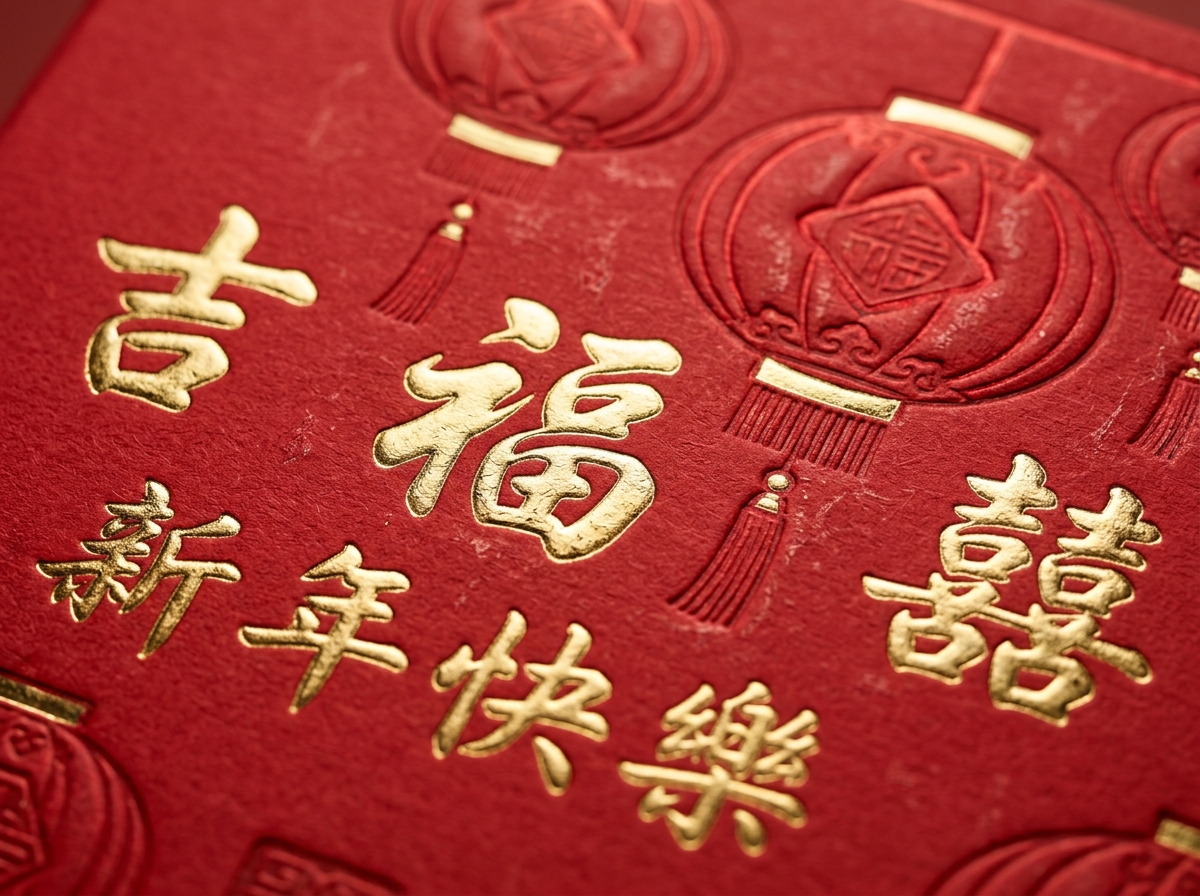
Hot Foil Stamping applies metallic or pigmented foil to packaging surfaces using heated dies and pressure. This process creates brilliant, mirror-like finishes that printed gold ink cannot replicate. Hot foil stamping works particularly well for zodiac imagery, Chinese characters, and decorative borders on rigid boxes and folding cartons. The technique bonds foil to paper substrates through heat activation, creating durable finishes resistant to scratching and moisture.
According to Packaging Strategies, foil stamping remains a strategic focus for premium packaging applications, particularly in gift and specialty markets where visual differentiation drives purchase decisions. The process accommodates multiple foil types: metallic gold and silver, matte pigment foils, holographic effects, and special-effect foils with patterns or textures. For Lunar New Year applications, metallic gold foil on red substrates delivers traditional aesthetics with contemporary polish.
Embossing and Debossing create dimensional effects through raised or recessed areas in packaging substrates. Embossing elevates designs above the surface, while debossing presses them inward. When combined with foil stamping—a technique called registered embossing—the dimensional effect amplifies metallic shine, creating premium tactile and visual impact. Traditional motifs like dragons, lanterns, or plum blossoms gain depth and sophistication through embossed application.
Spot UV Coating applies glossy varnish to specific design elements, creating contrast against matte backgrounds. This selective application highlights key features—zodiac animals, greeting text, or decorative borders—without overwhelming the overall design. Spot UV works particularly well on red packaging, where gloss areas catch light and draw attention to symbolic elements.
Metallic Substrates offer an alternative to applied finishes. Gold or red metallic paperboard creates inherent shimmer throughout the packaging surface, eliminating the need for foil stamping while maintaining premium appearance. These substrates cost more than standard paperboard but less than extensive foil stamping, offering a middle ground for retailers balancing budget and aesthetics.
For retailers and brands seeking premium Lunar New Year packaging, our guide to foil stamped and embossed packaging provides detailed specifications and sourcing guidance for high-end finishing techniques.
B2B buyers face compressed timelines for Lunar New Year packaging procurement, driven by manufacturing capacity constraints and shipping logistics. The viable order window for 2027 packaging runs from November 21 through December 5, 2026—a narrow 14-day period that determines whether retailers secure adequate inventory for the January-February selling season.
This timeline reflects multiple supply chain realities. Asian manufacturers reduce production capacity 6-8 weeks before Lunar New Year as workers return to home provinces and factories prepare for extended closures. Post-holiday labor shortages extend into March, creating a procurement dead zone from mid-December through early March. Retailers who miss the November-December order window face limited inventory availability, higher rush-order premiums, or complete inability to source seasonal packaging.
Domestic wholesale suppliers maintain more flexible timelines but still recommend December orders to guarantee stock availability. Lead times vary by product type: stock packaging with standard red and gold designs ships within 1-2 weeks, while custom printing or specialty finishing techniques require 3-4 weeks minimum. Retailers should calculate backward from desired in-stock dates, accounting for shipping time, quality inspection, and retail display setup.
Minimum Order Quantities (MOQs) significantly impact procurement planning. Standard stock packaging typically carries MOQs of 100-500 units per SKU, while custom printing requires 1,000-5,000 unit minimums depending on box size and finishing complexity. Retailers should assess historical sales data from previous Lunar New Year seasons to forecast demand accurately, then structure orders to meet MOQs while avoiding excess inventory.
Inventory Planning Considerations extend beyond raw unit counts. Retailers should stock multiple sizes within coordinated design families, enabling customers to select appropriate packaging for different gift types while maintaining visual consistency. A balanced inventory might include 40% small boxes (2x2x2 to 3x3x3), 40% medium boxes (4x4x4 to 6x6x3), and 20% large boxes or bags for multi-item presentations. This distribution accommodates the candy and sweet focus of Lunar New Year gifting while providing options for bakery items and specialty gifts.
For detailed guidance on wholesale order timing, MOQ negotiations, and inventory forecasting specific to Lunar New Year packaging, see our comprehensive B2B procurement timeline.
Different gift types require tailored packaging approaches that balance cultural symbolism, practical protection, and presentation aesthetics. Understanding category-specific requirements helps retailers stock appropriate inventory and guides individual gift-givers toward successful packaging selections.
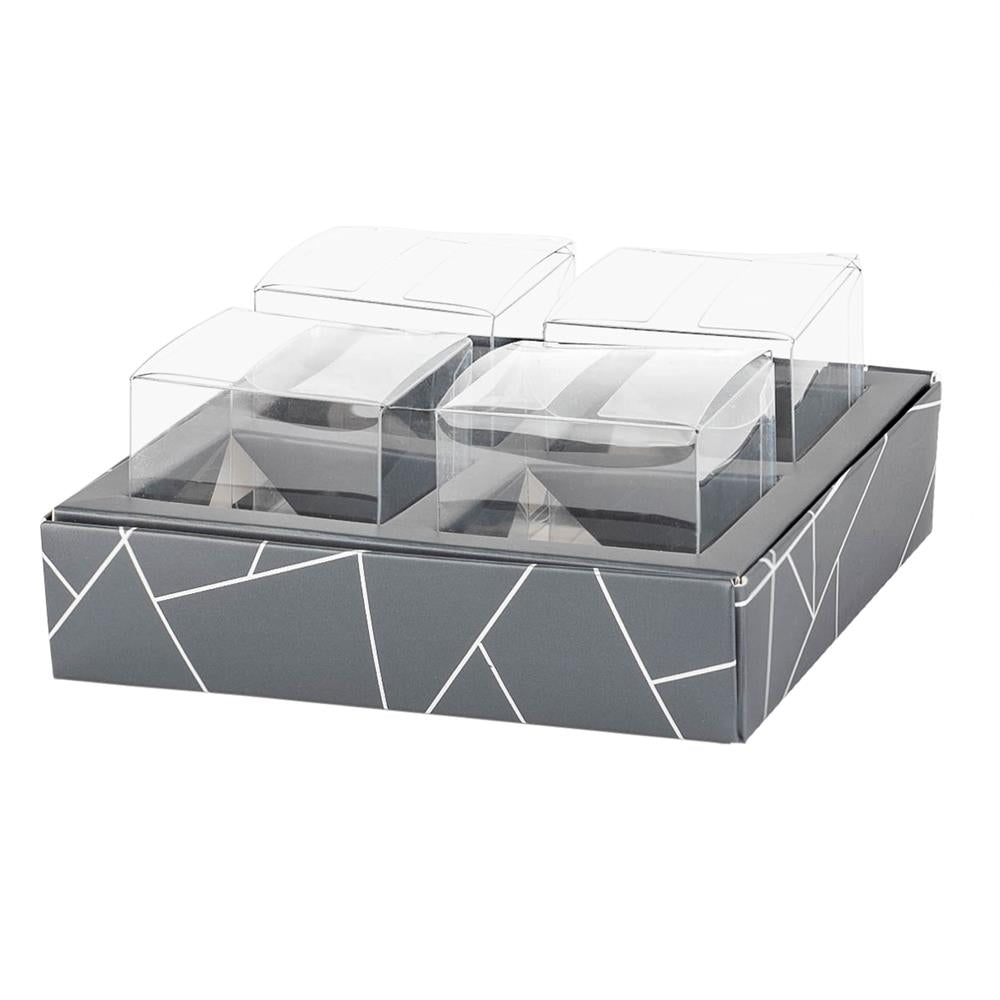
Candy and Sweet Assortments form the cornerstone of Lunar New Year gifting. Traditional candy trays feature eight compartments (avoiding the unlucky number four) filled with symbolic sweets: candied lotus seeds for fertility, chocolate coins for wealth, dried longan for family reunion. Packaging these assortments requires boxes with internal dividers or clear acrylic containers that showcase contents while maintaining organization. The clear acrylic serving tray with lid serves dual purposes as both packaging and serving vessel, eliminating transfer steps and preserving presentation.
Bakery Items and Cookies demand protective packaging that prevents breakage while allowing visual appeal. Windowed boxes balance these requirements, using clear PET or acetate windows to showcase golden-brown cookies or decorative pastries while rigid construction prevents crushing. Shallow box depths—typically 2-3 inches—accommodate single cookie layers without excessive headspace that allows movement during transport.
Tea and Beverage Gifts benefit from vertical packaging formats. Gift bags with reinforced bottoms safely transport tea tins or wine bottles, while tall narrow boxes provide structured protection. When packaging multiple tea varieties or pairing tea with small gifts, compartmented boxes maintain separation and create organized presentations. Consider non-woven fabric gift bags for reusable, upscale presentation that recipients can repurpose after the holiday.
Red Envelope Presentations require specialized packaging that elevates simple cash gifts into thoughtful presentations. Slim boxes designed for envelope dimensions prevent bending and creasing, while allowing room for decorative elements like gold cord or small ornamental charms. Layering multiple envelopes with tissue paper creates depth and ceremony, transforming utilitarian cash gifts into meaningful presentations. Our guide to red envelope packaging provides detailed assembly techniques.
Mixed Gift Sets combine multiple items—candy, tea, small decorative objects—into cohesive presentations. Modular packaging approaches work best: individual items in coordinated smaller boxes, arranged within larger gift bags or rigid boxes with custom inserts. This method allows recipients to unpack and distribute items while maintaining visual unity during initial presentation.
Effective retail display transforms packaging inventory into compelling seasonal presentations that drive impulse purchases and facilitate customer selection. Lunar New Year displays should balance cultural authenticity, practical accessibility, and visual impact to capture attention during the concentrated 4-6 week shopping window.
Color Blocking and Thematic Grouping create immediate visual recognition. Dedicate prominent floor space or endcap displays exclusively to red and gold packaging, establishing clear seasonal identity. Group packaging by type—all gift boxes together, bags in a separate section—then subdivide by size within each category. This organization helps customers quickly locate appropriate packaging for their specific gift needs while maintaining the bold color impact that signals Lunar New Year merchandise.
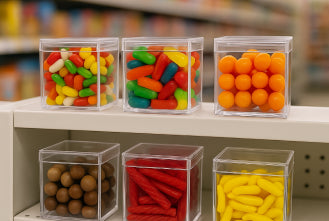
Vertical Display Maximization accommodates high inventory volumes within limited floor space. Slatwall or pegboard systems allow adjustable shelving that displays multiple box sizes at eye level, with smaller items above and larger formats below. Stack folding cartons to show both flat and assembled states, demonstrating ease of assembly while conserving display space. Use clear acrylic bins for small items like 2x2x2 cube boxes, allowing customers to see product clearly while preventing individual handling that leads to disorganization.
Styled Vignettes demonstrate packaging applications and inspire customer creativity. Create sample gift presentations showing boxes filled with candy, tied with gold ribbon, and arranged with traditional decorative elements like miniature lanterns or zodiac figurines. These displays educate customers on cultural appropriate presentations while showcasing product versatility. Include signage explaining symbolism—"Eight candies for prosperity" or "Red and gold for good fortune"—that connects packaging choices to cultural meaning.
Cross-Merchandising Opportunities increase basket size by positioning packaging near complementary products. Display gift boxes adjacent to bulk candy sections, bakery departments, or tea selections, facilitating one-stop shopping for complete gift assembly. Include small impulse items—gold ribbon, decorative tissue paper, greeting cards with Lunar New Year messages—near packaging displays to capture add-on purchases.
Signage and Educational Content guide customers unfamiliar with Lunar New Year traditions. Brief explanatory text about the Year of the Goat, traditional gift contents, and color symbolism helps multicultural customer bases make informed selections. QR codes linking to assembly tutorials or cultural background information extend education beyond physical space constraints while positioning the retailer as a knowledgeable resource.
For comprehensive guidance on retail display strategies, visual merchandising techniques, and seasonal presentation planning, consult our article on Lunar New Year retail displays.
Wholesale lunar new year gift boxes range from $0.15 to $3.00 per unit depending on size, material, and finishing. Basic folding cartons in 3x3x3 inch sizes start around $0.15-$0.30 per box for orders of 500+ units. Rigid boxes with foil stamping or embossing cost $1.50-$3.00 per unit with minimum orders typically 1,000 pieces. Stock designs with standard red and gold printing offer the most economical pricing, while custom artwork and specialty finishes increase costs by 40-60%. Domestic suppliers charge premium pricing but offer lower MOQs and faster turnaround compared to Asian manufacturers.
Standard lunar new year candy assortments require 3x3x3 to 4x4x4 inch cube boxes for single-serving portions, while family-sized presentations use 6x6x3 to 8x8x4 inch boxes. Traditional eight-compartment candy trays need boxes with 7-8 inch square footprints and 2-3 inch depths to accommodate dividers. Individual chocolate coins or small candy portions fit 2x2x2 inch boxes, perfect for party favors or children's gifts. When selecting sizes, allow 1/2 inch clearance on all sides for tissue paper or protective padding, and avoid boxes with four compartments due to cultural taboos around the number four.
White and black boxes should be avoided as primary packaging for Lunar New Year gifts because both colors carry strong funeral associations in Chinese culture. If you already have white or black boxes, you can make them culturally appropriate by covering them completely with red tissue paper, gold wrapping paper, or decorative red and gold ribbon. The key is ensuring red and gold dominate the final presentation, with white or black substrates completely hidden. For authentic presentations, start with red, gold, or neutral kraft boxes that align with Lunar New Year color symbolism from the outset.
Retailers should place Lunar New Year 2027 packaging orders between November 21 and December 5, 2026 to guarantee inventory availability. Asian manufacturers stop accepting new orders 6-8 weeks before the January 30 holiday, creating a critical procurement deadline in early December. Domestic wholesale suppliers offer more flexibility but still recommend mid-December orders for stock items and early November orders for custom printing. Factor in 3-4 week lead times for specialty finishing, plus shipping and quality inspection time. Missing this window forces retailers to pay rush premiums or face inventory shortages during peak January selling season.
Year of the Goat 2027 packaging should feature goat or sheep imagery, traditional Chinese lanterns, plum blossoms, and prosperity symbols like gold coins or the character 福 (fú) meaning fortune. The goat represents peace, harmony, and creativity in Chinese zodiac symbolism, making it appropriate for family-focused gift presentations. Combine goat imagery with red and gold color schemes, avoiding the number four in design elements or product quantities. Cherry blossoms and bamboo also work well as traditional motifs, while ensuring all text uses simplified or traditional Chinese characters appropriate for your target audience. For detailed guidance on zodiac-specific designs, see our guide on Year of the Goat packaging.
Successful Lunar New Year packaging balances cultural authenticity, practical functionality, and strategic timing. Whether you're a retailer building wholesale inventory or an individual assembling homemade gift presentations, the principles remain consistent: honor red and gold color traditions, avoid cultural taboos like the number four, select sizes appropriate for candy and sweet assortments, and plan procurement timelines that account for manufacturing and shipping realities.
The 2027 Year of the Goat offers opportunities to incorporate zodiac-specific imagery while maintaining traditional Lunar New Year aesthetics. Retailers who order during the November 21-December 5 window secure inventory at standard pricing with guaranteed availability, while consumers shopping 4-6 weeks before January 30 find peak selection and fresh stock. Premium finishing techniques like foil stamping elevate standard packaging into gift-worthy presentations that command higher perceived value.
For those seeking sustainable options that maintain cultural appropriateness, our guide to eco-friendly Lunar New Year packaging explores recyclable materials and biodegradable alternatives. Home crafters and DIY enthusiasts will find assembly techniques and decoration ideas in our DIY gift box assembly guide.
Start with the right foundation—appropriately sized kraft cube boxes or elegant 4x4x4 cube boxes—then customize with red and gold elements that honor tradition while expressing personal or brand style. The packaging you choose becomes part of the gift itself, carrying wishes for prosperity, health, and happiness into the new year.