Cart
0
You may also like
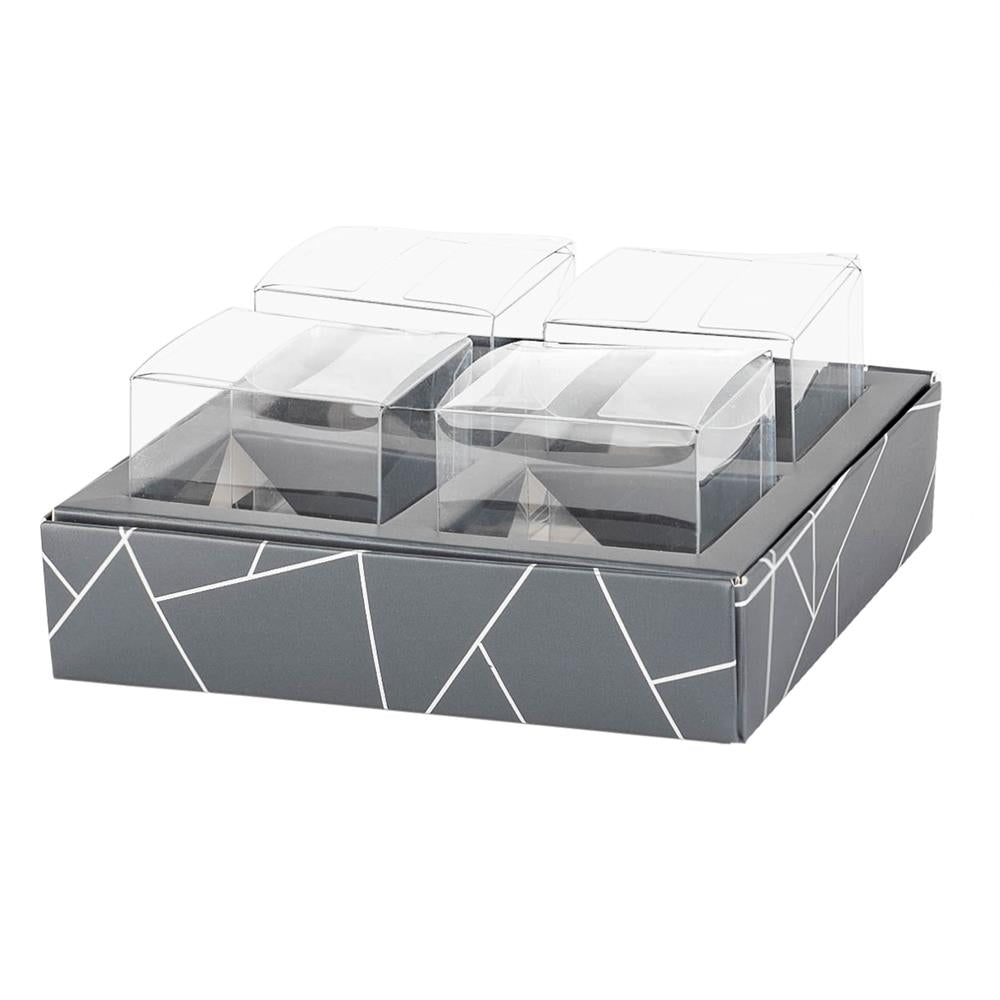

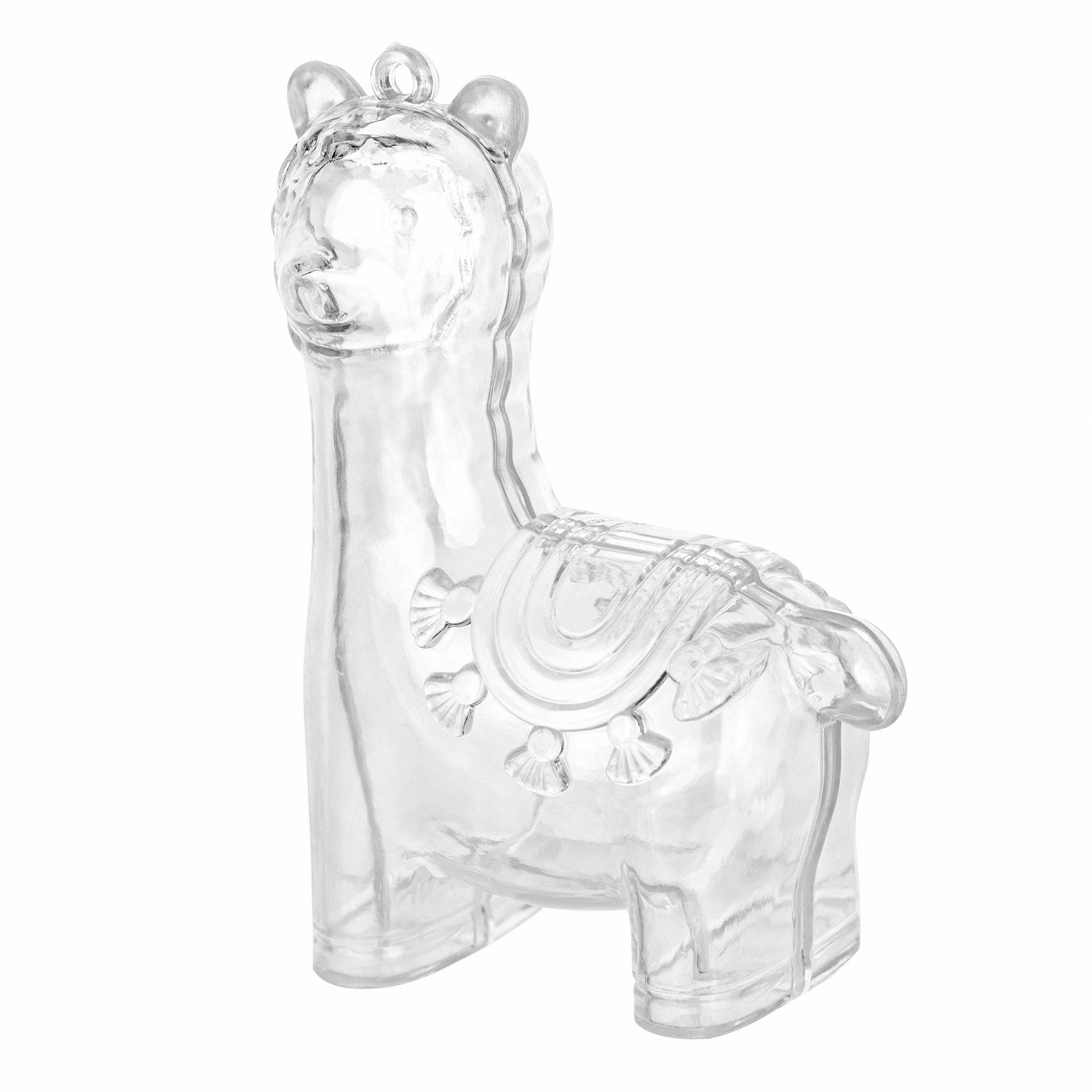

Book a call with our development team to get started.



Apply online and access wholesale pricing.

Custom packaging mistakes small business owners make can quietly erode profit margins, damage brand reputation, and frustrate customers—often before you realize there's a problem. Unlike inventory or marketing spend, packaging errors compound with every order shipped. A box that's two inches too large, artwork at the wrong resolution, or an MOQ miscalculation can cost hundreds or thousands of dollars over a quarter.
This guide walks through the ten most common custom packaging mistakes small businesses make and the practical fixes that prevent them. Whether you're ordering custom packaging for small businesses for the first time or refining an existing program, these insights will help you avoid costly missteps and build a packaging strategy that protects products, controls costs, and strengthens your brand.
Oversized packaging is one of the most expensive—and avoidable—mistakes in ecommerce fulfillment. When a box is too large for the product inside, you pay twice: once in material cost and again in dimensional weight shipping fees. Carriers like FedEx, UPS, and USPS now charge based on package volume, not just weight, using a formula that penalizes empty space.
Dimensional weight pricing calculates the billable weight of a package by multiplying its length, width, and height, then dividing by a carrier-specific divisor (typically 139 for FedEx and UPS, 166 for USPS). If your product weighs three pounds but ships in a 12×12×10 box, you may be billed for eight or nine pounds. Over thousands of shipments, this adds up fast.
The fix is straightforward: audit your current box inventory and match each product to the smallest box that allows adequate cushioning. Even trimming one inch from each dimension can drop you into a lower weight bracket. For items with unusual shapes, consider custom die-cut inserts or clear acrylic boxes that fit snugly without excess void fill.
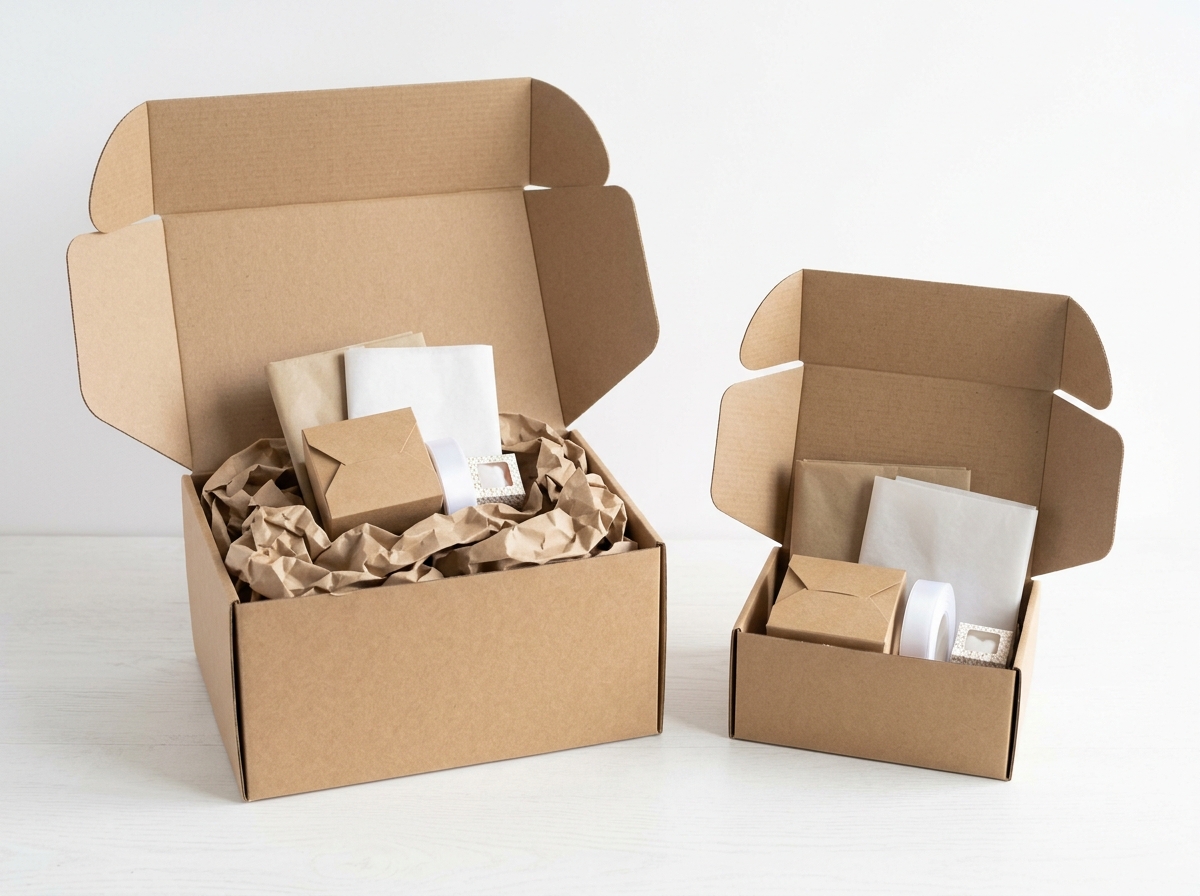
Misjudging your packaging volume is a cash-flow trap. Order too much, and you tie up capital in boxes that sit in storage—or worse, become obsolete when you rebrand or change product dimensions. Order too little, and you scramble to pay rush fees or settle for generic stock that doesn't match your brand.
This mistake often stems from ignoring minimum order quantities (MOQs). Many custom packaging suppliers require MOQs of 500, 1,000, or even 5,000 units. For a new business testing product-market fit, committing to thousands of boxes before you've validated demand is risky. Conversely, established businesses sometimes underestimate seasonal spikes and run out of packaging during Q4.
Start by forecasting three to six months of packaging needs based on historical sales data or conservative projections. If you're just launching, consider ordering a smaller run of semi-custom or stock boxes with printed stickers or inserts while you validate demand. For more guidance, see what is MOQ in packaging to understand how minimum order quantities work and how to negotiate them.
As noted above, dimensional weight (DIM weight) pricing has become the default for nearly all major carriers. Yet many small businesses still design packaging based on aesthetics or product fit alone, without calculating how those dimensions will translate to shipping fees.
A common scenario: a candle brand orders beautiful 8×8×6 rigid boxes because they photograph well for social media. The candle itself weighs 12 ounces, but the DIM weight calculates to five pounds. The business now pays 4× the expected shipping cost per order, wiping out margin on every sale.
Before finalizing any custom packaging design, run the dimensions through a DIM weight calculator for your primary carrier. Compare the billable weight to your product's actual weight. If DIM weight is significantly higher, explore alternate formats: a slightly shorter box, a tuck-top carton instead of a rigid setup box, or a padded mailer for lightweight items. According to Packaging Digest, optimizing packaging dimensions can reduce shipping costs by 10–20% without compromising protection. FedEx calculates dimensional weight by dividing cubic size by 139 for U.S. shipments, and charges are based on dimensional weight or actual weight, whichever is greater.
Approving packaging based on a digital proof or a single flat sample—without ordering a physical 3D sample—leads to unpleasant surprises when your first production run arrives. Colors may print darker than expected, structural flaps may not fold cleanly, or the box may be flimsier than the mockup suggested.
Requesting samples costs a small fee upfront (typically $50–$200 depending on complexity), but it prevents expensive reprints. When you receive samples, test them rigorously: pack your actual product, seal the box, and drop it from waist height. Ship a sample to yourself to see how it arrives. Check that printed colors match your brand Pantone swatches under natural light, not just under your office fluorescents.
If you're working with kraft boxes for small business or other eco-friendly materials, note that natural kraft can vary slightly in tone from batch to batch. Request samples from the actual production lot when possible, especially if color consistency is critical to your brand identity.
Blurry logos, pixelated graphics, and misaligned text are telltale signs of artwork files that weren't print-ready. Most packaging printers require vector files (AI, EPS, or PDF) with fonts outlined and images embedded at 300 DPI or higher. Submitting a low-res JPEG pulled from your website will result in fuzzy printing—and most suppliers won't catch the error until after the press run.
Common file mistakes include: RGB color mode instead of CMYK (colors will shift when printed), missing bleed areas (white edges appear where ink should extend to the edge), and incorrect die-line alignment (graphics print in the wrong position relative to folds or perforations).
Work with a designer experienced in packaging, or ask your supplier for a dieline template before you start. Many packaging companies provide Adobe Illustrator templates that show exactly where to place graphics, text, and safe zones. If you're unsure about file specs, request a pre-press proof—a digital or physical proof that shows exactly how your artwork will print before the full run begins.
Selecting the cheapest material without considering performance leads to damaged products, returns, and negative reviews. A flimsy single-wall corrugated box may save $0.15 per unit, but if 5% of your shipments arrive crushed, the cost of replacements and lost customer trust far exceeds the material savings.
Material selection should match your product's weight, fragility, and shipping method. Lightweight apparel can ship safely in poly mailers or single-wall kraft boxes. Glassware, ceramics, or electronics need double-wall corrugated with internal cushioning. If you sell premium goods—candles, skincare, gourmet foods—your packaging material signals quality before the customer even opens the box.
For a detailed breakdown of when to use kraft, corrugated, or rigid boxes, read how to choose custom packaging materials. The right material balances cost, protection, and brand perception. A rectangle gift box tower with ribbon works beautifully for high-value gift sets, while a simple kraft mailer suffices for lower-ticket items.
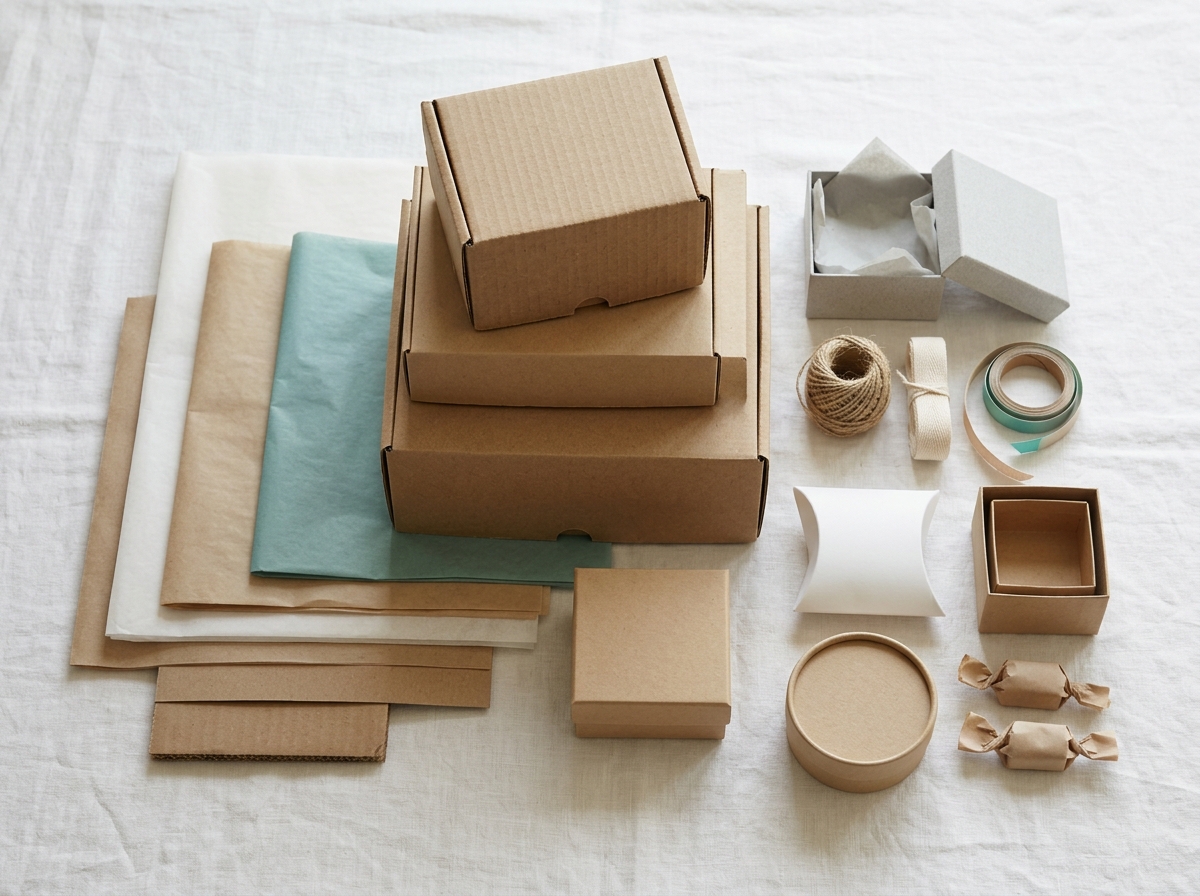
Packaging isn't just a shipping container—it's the first physical touchpoint with your customer. A frustrating unboxing experience (excessive tape, hard-to-open flaps, messy void fill spilling everywhere) creates friction. Conversely, a thoughtful unboxing builds excitement and encourages social sharing.
Small businesses often overlook simple details: a perforated tear strip for easy opening, a thank-you card tucked inside, or branded tissue paper that elevates the presentation. These touches cost pennies per unit but significantly improve perceived value. According to research from Ipsos, 72% of consumers say packaging design influences their purchase decisions, and unboxing videos generate millions of views on social media.
You don't need a luxury budget to create a memorable unboxing. Start with clean, on-brand printing, eliminate excess tape, and add one custom element—a sticker, a stamp, or a simple insert. For more ideas, see creating an unboxing experience on a small business budget. Even a hexagon gift box tower with ribbon can transform a standard product into a gift-ready presentation.
Many small businesses order packaging on a just-in-time basis, only to discover that lead times stretch from 4 weeks to 12 weeks during Q4. By the time Thanksgiving arrives, it's too late to order custom holiday packaging—you're stuck with generic boxes or paying expedite fees that double your cost per unit.
Seasonal demand affects not just lead times but also supplier capacity and raw material availability. Paper mills, printers, and freight carriers all experience bottlenecks in October and November. Smart operators place holiday packaging orders in July or August, locking in pricing and production slots before the rush.
Build a seasonal packaging calendar that maps order deadlines to key sales events: Valentine's Day, Mother's Day, back-to-school, Black Friday, and the December holidays. For detailed planning timelines, see seasonal packaging planning for small businesses. If you sell gift items, consider stocking neutral packaging that works year-round, then adding seasonal inserts or stickers to customize for each holiday.
Consumers—especially younger buyers—increasingly expect brands to use recyclable, compostable, or FSC-certified packaging. Ignoring sustainability isn't just a missed marketing opportunity; it can actively hurt your brand if competitors highlight their eco-friendly materials and you don't.
That said, "sustainable packaging" is a broad term. It's not enough to slap a recycling symbol on a box. Customers want transparency: Is the material actually recyclable in curbside programs? Is it made from post-consumer waste? Does it carry third-party certifications like FSC or SFI?
Start by switching to recyclable kraft or corrugated boxes and eliminating plastic tape in favor of paper tape. If your budget allows, source FSC-certified materials that guarantee responsible forestry practices. Communicate your choices clearly on the packaging itself or on an insert. For a full guide to certifications and material options, read sustainable packaging for small businesses.
A box that looks sturdy on your desk may not survive the gauntlet of sorting conveyors, pallet stacks, and delivery-truck jostling. Failing to test packaging under real-world conditions means you only discover structural weaknesses after customers start reporting damaged goods.
Conduct drop tests: pack your product as you normally would, seal the box, and drop it from three to four feet onto a hard surface—from multiple angles. If the contents shift or the box splits, you need better cushioning or a stronger material grade. Ship test packages to yourself or to friends in different regions to see how they fare in transit.
For fragile items, consider ISTA-certified testing protocols (though these are typically used by larger brands). At minimum, simulate rough handling: stack boxes, expose them to humidity if you ship to coastal or tropical regions, and test in both summer heat and winter cold if your product is temperature-sensitive. Catching a flaw in testing costs $50; catching it after 500 customer complaints costs thousands.
Depending on your product category and destination markets, you may be required to include specific labeling: ingredient lists, country-of-origin marks, recycling codes, or safety warnings. Overlooking these requirements can result in rejected shipments, fines, or even product recalls.
Food and cosmetics have particularly strict labeling rules enforced by the FDA. If you ship internationally, each country has its own regulations. Even domestic shipments may require California Prop 65 warnings or CPSIA certifications for children's products.
Consult with your packaging supplier and, if necessary, a compliance consultant before finalizing your design. Build label space into your layout so required text doesn't crowd out your branding. It's far easier to design compliance in from the start than to retrofit it after your first print run.
Avoiding these custom packaging mistakes small business owners make starts with treating packaging as a system, not a one-time purchase. Map out your entire packaging workflow: from design and supplier selection to inventory management and shipping logistics. Involve your fulfillment team early—they'll spot practical issues that designers might miss.
Establish clear specifications for materials, dimensions, and print standards. Document these in a packaging style guide so future reorders stay consistent. Track key metrics: cost per unit, DIM weight charges, damage rates, and customer feedback. Use this data to iterate and improve with each order cycle.
Finally, build relationships with reliable suppliers who understand small-business constraints. A good packaging partner will help you balance MOQs, lead times, and budget—and flag potential issues before they become expensive mistakes. For a step-by-step walkthrough of the ordering process, see how to order custom packaging for the first time.
Choosing the wrong box size is the most frequent and costly mistake. Oversized packaging inflates dimensional weight shipping fees and wastes material. Small businesses often select boxes based on aesthetics or convenience without calculating the impact on per-order shipping costs. Auditing your packaging dimensions and right-sizing boxes can reduce shipping expenses by 10–20% without any loss in product protection.
Print-ready artwork should be in vector format (AI, EPS, or PDF) with all fonts outlined, images at 300 DPI or higher, and colors in CMYK mode. Your file should include bleed areas (typically 0.125 inches beyond the trim line) and align with the supplier's dieline template. Always request a pre-press proof to catch errors before the full production run. Low-resolution files or incorrect color modes will result in blurry or off-color printing.
Plan for 6–8 weeks lead time for standard custom packaging orders, and 10–12 weeks during peak seasons (September through November). If you need packaging for holiday sales, place orders by late July or early August to avoid capacity bottlenecks. Rush orders are possible but typically cost 30–50% more. Building a seasonal packaging calendar helps you stay ahead of deadlines and lock in better pricing.
Some suppliers offer lower MOQs for an upcharge, or you can start with semi-custom options—stock boxes with custom printing or labels. Digital printing has lower setup costs than offset printing, making smaller runs (250–500 units) more feasible. As your volume grows, transitioning to offset printing and higher MOQs reduces per-unit cost. For more strategies, read our guide on MOQ in packaging.
Custom packaging mistakes small business owners make are preventable with planning, testing, and the right supplier partnerships. By addressing box sizing, MOQ planning, DIM weight optimization, and material selection upfront, you'll save money, reduce returns, and create a better customer experience from the first unboxing.
Ready to explore packaging solutions that fit your business? Browse our selection of zipper treat bags for party favors and small gifts, or discover versatile options that work across seasons and product lines. Smart packaging decisions today pay dividends in customer loyalty and profitability tomorrow.