Cart
0
You may also like

Book a call with our development team to get started.



Apply online and access wholesale pricing.

Kraft boxes for small business owners offer a rare combination of sustainability, affordability, and versatility that few other packaging materials can match. Whether you're shipping handmade soaps, boxing fresh cookies, or creating a subscription experience, kraft paperboard delivers a natural, eco-conscious aesthetic without straining your startup budget. Made from unbleached wood pulp, kraft boxes are fully recyclable and biodegradable, meeting the growing consumer demand for environmentally responsible packaging while keeping per-unit costs low enough for emerging brands.
This guide breaks down the material advantages of kraft, explores customization options that work within tight budgets, and shows you exactly where kraft boxes shine in real-world small business applications. If you're evaluating custom packaging for small businesses, kraft is often the smartest first choice.
Kraft paper gets its name from the German word for "strength," and that's no accident. The kraft pulping process preserves longer wood fibers, resulting in a material that's significantly more durable than standard bleached paperboard. For small businesses, this translates to boxes that protect products during shipping without requiring double-boxing or excessive void fill.
From a sustainability standpoint, kraft boxes check every box that matters to today's conscious consumer. The material is made from renewable wood sources, uses fewer chemicals in production than bleached alternatives, and breaks down naturally in composting environments. According to the Paper and Paperboard Packaging Environmental Council, kraft paperboard has one of the highest recycling rates of any packaging material in North America, hovering above 80% for corrugated and folding carton grades.
Cost is where kraft truly outperforms. Because the manufacturing process skips the bleaching stage, production costs stay lower, and those savings pass directly to you. A standard kraft folding carton typically costs 15–25% less than a comparable bleached white box, and the price gap widens further when you factor in custom printing. For bootstrapped businesses ordering their first few hundred units, that difference can free up budget for other essentials like labels, inserts, or marketing materials.
The natural brown tone of kraft also works in your favor aesthetically. It pairs beautifully with minimal branding, hand-stamped logos, or simple one-color prints, giving your packaging a handmade, artisan feel that resonates with customers who value authenticity. You don't need a four-color process to make kraft boxes look polished—often, less is more.
One of the biggest myths about kraft packaging is that customization is expensive or requires massive order volumes. In reality, kraft boxes are among the easiest substrates to personalize on a budget, especially if you're strategic about your approach.
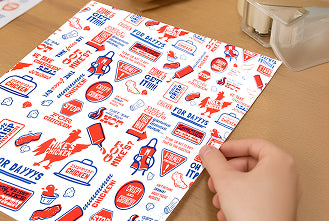
Stamping and screen printing are two of the most cost-effective methods for kraft. A simple one-color logo stamped in black, white, or metallic foil can elevate a plain kraft box into branded packaging for pennies per unit. Screen printing works well for larger graphics and offers excellent opacity on the naturally textured kraft surface. Both methods have relatively low setup fees and scale efficiently once you move beyond sample quantities.
If you're starting with very small runs—say, under 100 units—consider stickers, stamps, or labels as an interim branding solution. You can order kraft boxes in stock sizes and apply your own branding by hand or with a desktop label printer. This approach keeps your initial investment low while you test product-market fit, and it gives you the flexibility to tweak your design without reprinting an entire batch of boxes.
Digital printing has also become more accessible for kraft substrates in recent years. While it's still pricier per unit than offset or flexographic printing at high volumes, digital eliminates plate fees and allows for full-color graphics at lower minimums. Some suppliers now offer digital kraft box printing starting at 250 units, making it viable for seasonal launches or limited-edition products.
When evaluating print options, pay close attention to minimum order quantities in packaging. MOQs vary widely by supplier and printing method, and understanding these thresholds will help you choose the right vendor for your current scale. A supplier with a 500-unit MOQ and low setup fees may be a better fit than one offering 100-unit minimums at a premium per-box cost.
Kraft boxes aren't a one-size-fits-all solution, but they dominate in several key verticals where small businesses operate.
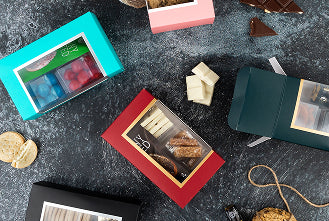
Bakeries were early adopters of kraft packaging, and for good reason. Kraft boxes are food-safe, grease-resistant (when coated or lined), and convey freshness and wholesomeness—qualities that align perfectly with artisan baked goods. A resealable kraft bag works beautifully for cookies, granola, or trail mix, while windowed kraft boxes let customers see the product without compromising shelf stability.
Kraft also handles moisture better than many people expect. While it's not waterproof, a poly-lined kraft box or a wax-coated interior can protect pastries, chocolates, or other perishables during short-term storage and transport. The material breathes just enough to prevent condensation buildup, which is a common problem with fully sealed plastic containers.
If you're selling candles, soaps, jewelry, or other handcrafted items, kraft packaging reinforces your brand story. The raw, unfinished look signals that your products are made with care, not mass-produced in a factory. Customers shopping for handmade goods actively seek out this aesthetic, and kraft boxes deliver it without any design gymnastics.
Kraft boxes also pair well with other natural materials like twine, raffia, or dried florals, giving you endless options for seasonal or themed packaging without investing in new box designs. A simple kraft box tied with jute and a sprig of lavender feels special in a way that a glossy printed box never could.
Subscription box businesses have embraced kraft corrugated mailers and folding cartons as their default packaging. The material is lightweight, which keeps shipping costs down, and it's sturdy enough to survive the postal system without additional reinforcement. Many subscription brands use a printed kraft outer box with a custom tissue or card insert inside, creating a memorable unboxing experience without the cost of a fully custom rigid box.
For e-commerce fulfillment, kraft boxes offer a clean, professional look straight out of the shipping carton. Unlike white boxes that show every scuff and smudge, kraft hides minor handling marks, so your products arrive looking pristine even after a cross-country journey.
Sustainability claims are everywhere in packaging, but kraft's environmental benefits are backed by measurable data. The Sustainable Packaging Coalition notes that kraft paper's renewable fiber base and high recyclability make it one of the lowest-impact materials available for rigid packaging applications.
Biodegradability is another key advantage. In a commercial composting facility, kraft paperboard breaks down in 60 to 90 days. Even in a backyard compost bin or landfill environment, kraft decomposes far faster than plastic or laminated materials, leaving behind organic matter rather than microplastics.
That said, not all kraft boxes are created equal from a sustainability standpoint. Boxes with plastic windows, heavy coatings, or metallic foil may not be curbside recyclable, depending on your local municipality's capabilities. If environmental impact is a core part of your brand promise, opt for uncoated kraft with water-based inks and avoid mixed-material embellishments.
Transparency matters here. Customers are increasingly savvy about greenwashing, so if you're promoting your kraft packaging as eco-friendly, be ready to back it up with specifics: recycled content percentage, certifications (like FSC or SFI), and end-of-life disposal instructions. A small note on the box—"100% recyclable, please reuse or recycle"—goes a long way toward building trust.
Pricing for kraft boxes depends on size, style, order volume, and customization level, but here's a general framework to help you budget.
Stock kraft boxes in common sizes (like 4" x 4" x 2" or 8" x 8" x 4") typically start around $0.30 to $0.75 per unit when ordered in quantities of 250 to 500. These are unprinted, fold-flat boxes that you can brand yourself with stickers or stamps. As you scale to 1,000 or 2,500 units, per-unit costs drop to $0.20 to $0.50, depending on the supplier and box style.
Custom-printed kraft boxes with a one-color logo or simple graphic generally add $0.10 to $0.30 per unit, plus a one-time setup or plate fee ranging from $50 to $200. Full-color digital printing can push per-unit costs to $0.75 to $1.50 for smaller runs, but eliminates the plate fee and allows for more complex designs.
Specialty finishes—embossing, debossing, foil stamping, or die-cut windows—add incremental costs but can differentiate your packaging in crowded markets. Expect to pay an additional $0.15 to $0.50 per unit for these upgrades, with higher setup fees for custom dies or foil plates.
When comparing quotes, always ask about shipping costs and lead times. Domestic suppliers may have higher per-unit prices but faster turnarounds and lower freight costs than overseas manufacturers. For your first order, the speed and reliability of a domestic partner often outweigh the savings from an international vendor.
Finding the right kraft box supplier is as important as choosing the box itself. Small businesses have different needs than enterprise brands, and not every supplier is set up to serve emerging companies well.
Look for suppliers that offer low MOQs, transparent pricing, and responsive customer service. If a vendor's website doesn't list MOQs or requires a quote for every inquiry, that's often a signal they're geared toward larger accounts. The best small-business-friendly suppliers publish pricing tiers, stock options, and lead times upfront, so you can make decisions without waiting days for a sales rep to respond.
Sample ordering is another must. Before committing to 500 or 1,000 units, order a handful of samples to check the material weight, print quality, and structural integrity. A box that looks great in a product photo might feel flimsy in hand, or the color might not match your brand palette. Sampling eliminates costly surprises.
Don't overlook local or regional suppliers, especially if you're ordering smaller quantities. Shipping costs for bulky packaging can eat into your budget quickly, and a supplier within a few hundred miles can often deliver faster and cheaper than a national distributor. Local suppliers are also more likely to accommodate custom requests or rush orders when you're in a pinch.
Kraft isn't the only affordable option for small businesses, so it's worth understanding how it stacks up against alternatives.
Corrugated cardboard is kraft's close cousin—same base material, different structure. Corrugated is better for shipping and heavy-duty applications, while kraft folding cartons are better for retail presentation and lighter products. If you need both, consider a corrugated outer shipper with a kraft retail box inside.
Bleached white paperboard offers a cleaner, more polished look and takes color printing beautifully, but it costs more and lacks the eco-friendly perception of kraft. White boxes work well for premium beauty or tech products where a minimalist, modern aesthetic is key, but they don't convey the same warmth or sustainability as kraft.
Plastic boxes and clamshells are durable and moisture-resistant, but they're falling out of favor with environmentally conscious consumers. Unless your product absolutely requires a moisture or oxygen barrier, kraft is the safer choice from a brand perception standpoint.
If you're ready to order kraft boxes, here are a few design and logistics tips to make the process smoother.
Start with stock sizes whenever possible. Custom die-cut boxes require tooling fees and higher MOQs, while stock sizes are available off the shelf at lower costs and faster lead times. Measure your product carefully and choose the smallest stock size that provides a snug fit with minimal void space.
Plan for inserts and fillers. Kraft boxes look best when the product fits well and doesn't rattle around. Crinkle paper, tissue, or molded pulp inserts add a professional touch and protect the product during transit. These elements are inexpensive and can be color-coordinated to your brand.
Keep your first design simple. A one-color logo or wordmark on the lid is often all you need to make a kraft box feel branded. You can always add complexity in future orders as your budget and volume grow.
Test your packaging before scaling. Order a small batch, pack your products, and ship a few to friends or beta customers. Ask for feedback on the unboxing experience, structural integrity, and overall presentation. This real-world testing will surface issues you'd never catch by looking at a flat sample.
No, kraft boxes are typically less expensive than bleached or coated cardboard boxes because the manufacturing process is simpler. Kraft paperboard skips the bleaching stage, which reduces production costs. You'll generally pay 15–25% less for kraft compared to white or colored paperboard in similar sizes and quantities.
Yes, kraft boxes can be printed in full color using digital or offset printing methods. However, because kraft has a natural brown tone, colors will appear warmer and less vibrant than they would on white paperboard. Many brands embrace this by using designs that complement the kraft aesthetic—earth tones, black, white, or metallic inks work especially well.
Minimum order quantities vary by supplier and customization level. Stock kraft boxes with no printing can often be ordered in quantities as low as 50–100 units. Custom-printed kraft boxes typically require 250–500 units for digital printing or 500–1,000 units for offset printing. Always confirm MOQs with your supplier before finalizing your design.
Yes, kraft paperboard is generally food-safe and widely used for bakery items, dry goods, and packaged foods. For products with high moisture or oil content, look for kraft boxes with a food-grade poly lining or wax coating to prevent grease bleed-through. Always verify that your supplier's kraft material meets FDA or local food-contact regulations.
Kraft boxes are fully recyclable and should be placed in your curbside recycling bin along with other paper and cardboard. If the box has minimal ink or coating, it can also be composted in a commercial composting facility or backyard compost bin. Remove any plastic windows, tape, or non-paper embellishments before recycling or composting to ensure proper breakdown.