Cart
0
You may also like

Book a call with our development team to get started.



Apply online and access wholesale pricing.

Most coffee shops generate 30-40% of their revenue from bakery items, yet many new owners underestimate how much the right packaging affects both product quality and brand perception. Bakery boxes for coffee shops need to do more than just hold a muffin—they protect freshness during transport, reinforce your brand identity at every touchpoint, and meet food safety standards that vary by state. This guide covers the materials, sizes, and features that matter most when you're selecting custom packaging for coffee shops that sell pastries alongside beverages.
Unlike standalone bakeries that focus exclusively on baked goods, coffee shops operate a hybrid model where customers expect both quality coffee and fresh pastries. Your packaging strategy needs to account for grab-and-go convenience, coordinated branding across coffee cups and bakery boxes, and the practical reality that most purchases leave the store within minutes. The right bakery packaging supports operational efficiency during morning rush hours while creating a cohesive brand experience that customers remember.
The bakery cafe sector in the United States represents a significant market. Coffee shops and cafes frequently include freshly baked pastries and goods in their menu, enhancing the convenience and enjoyment for customers. When a customer walks out with a latte and a croissant, both items serve as mobile advertisements for your business—but only if the packaging is designed to travel well and display your brand clearly.
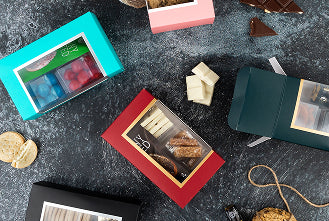
Packaging influences purchasing decisions at the point of sale. A clear window box that showcases a chocolate chip cookie or a branded cupcake box that coordinates with your cup sleeves creates visual consistency that builds brand recognition. For coffee shops competing in saturated markets, these details differentiate a professional operation from one that feels improvised. Customers notice when a beautifully crafted cortado arrives in a custom cup but the accompanying scone is handed over in a generic white bag.
Operational efficiency matters just as much as aesthetics. During peak hours, baristas need packaging that stacks efficiently, opens quickly, and doesn't collapse when a customer adds it to a bag with a hot beverage. Poorly designed bakery boxes slow down service, frustrate staff, and increase the risk of product damage. The best packaging for coffee shops balances form, function, and speed.
Coffee shops typically need three to five core packaging formats to cover their bakery menu. The specific mix depends on your product range, but most operations require solutions for individual pastries, cookies, cupcakes, and larger items like whole cakes or pie slices.
Single-serve items—croissants, muffins, scones, danishes—represent the highest-volume bakery sales in most coffee shops. These items need packaging that protects the product without adding bulk. Kraft paper bags with grease-resistant linings work well for items without delicate frosting. Windowed boxes in the 4" x 4" x 3" range provide structure for items that shouldn't be compressed, like filled croissants or topped muffins.
Grease resistance is non-negotiable for butter-rich pastries. Standard paper bags will show oil stains within minutes, which looks unprofessional and can transfer grease to customers' hands or bags. Look for bags with a food-safe coating or consider boxes made from materials that naturally resist moisture and oil penetration. For coffee shops focused on sustainability, uncoated kraft boxes paired with resealable zipper bags offer a practical middle ground—the inner bag contains grease while the outer box provides structure and branding space.
Cookies, brownies, and similar items require different handling than pastries. These products are sturdier but still benefit from packaging that prevents breakage and keeps them fresh. Cellophane bags with fold-over tops work well for single cookies sold at the register as impulse purchases. For larger cookies or multiple items, small windowed boxes (roughly 5" x 5" x 2") let customers see the product while providing crush protection.
Many coffee shops sell cookies in pairs or sets of three, which requires packaging sized accordingly. Boxes that are too large make a small purchase feel insubstantial; boxes that are too tight risk damaging the product when the customer opens them. Standard cookie box dimensions range from 5" x 5" for two large cookies up to 7" x 5" for four to six smaller ones.
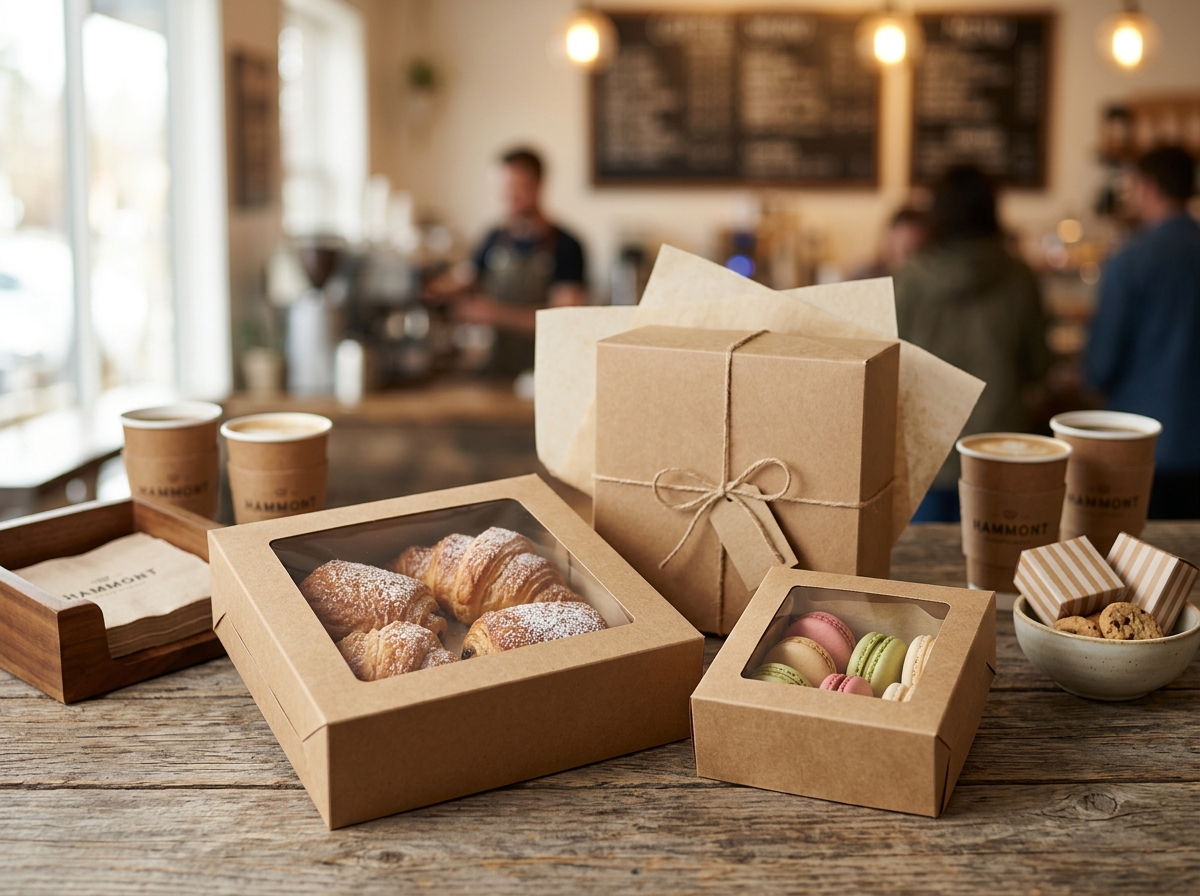
Cupcakes, decorated cookies, and other frosted items present the biggest packaging challenge in a coffee shop environment. Frosting cannot touch the box lid without smearing, which means you need boxes with sufficient height and, ideally, inserts that secure the product in place. Standard cupcake boxes come in single, two-pack, four-pack, and six-pack configurations. Coffee shops typically stock single and four-pack sizes—singles for individual sales, four-packs for small party orders.
Inserts are critical for cupcakes. A box without an insert allows the cupcake to slide during transport, which defeats the purpose of protective packaging. Molded pulp inserts, plastic inserts, and cardboard dividers all serve this function. The choice depends on your budget, sustainability goals, and the level of protection required. For coffee shops that sell cupcakes as a secondary offering rather than a specialty focus, simple cardboard inserts in windowed boxes strike a practical balance.
Whole cakes, pies, and large pastry orders require boxes in the 10" x 10" range or larger. These are lower-volume items for most coffee shops, but having a few on hand prevents the awkward situation of trying to fit a whole cake into multiple smaller boxes. Cake boxes typically feature tuck-top closures for easy assembly and sufficient height to accommodate layered cakes with frosting.
If your coffee shop offers custom cake orders or whole pies for holidays, invest in sturdy boxes with reinforced corners. Customers who spend $30-50 on a cake expect packaging that reflects the product's value. A flimsy box undermines that perception, even if the cake inside is excellent.
All food packaging in the United States must comply with FDA regulations governing food contact substances. The FDA regulates the safety of ingredients added directly to food and substances that come into contact with food, such as those added to packaging materials, cookware or containers that store food. This means the paperboard, inks, coatings, and adhesives used in your bakery boxes must meet safety standards to prevent harmful substances from migrating into food.
Most reputable packaging suppliers use FDA-compliant materials by default, but it's worth confirming—especially if you're sourcing boxes from a new vendor or importing packaging. Ask suppliers whether their materials comply with 21 CFR Parts 174-186, which govern indirect food additives including packaging components. Compliant suppliers can provide documentation; those who can't are a red flag.
Grease-resistant coatings have received increased scrutiny in recent years due to concerns about PFAS (per- and polyfluoroalkyl substances). Some states have enacted bans on PFAS in food packaging. If you operate in California, New York, or other states with strict packaging regulations, verify that your supplier's grease-resistant treatments are PFAS-free. Alternatives include wax coatings, aqueous coatings, and naturally grease-resistant materials like glassine.
Beyond federal regulations, local health departments may have specific requirements for bakery packaging, particularly around labeling and allergen declarations. If you're selling packaged bakery items for takeout, check whether your jurisdiction requires ingredient lists, allergen warnings, or "made in a facility that processes" statements on the package itself. Requirements vary significantly by state and even by county.
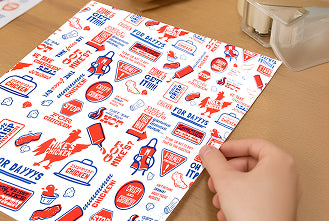
One of the biggest missed opportunities in coffee shop branding is the disconnect between beverage packaging and bakery packaging. Many shops invest in custom-printed coffee cups and sleeves but use generic white boxes for pastries, which creates a disjointed brand experience. Customers subconsciously register this inconsistency, even if they don't articulate it.
Coordinated packaging doesn't require identical designs across all formats. It does require visual consistency—shared colors, typography, logo placement, and design language. If your coffee cups feature a minimalist logo on kraft paper, your bakery boxes should follow the same aesthetic. If your cups use bold graphics on white stock, your pastry packaging should echo that approach.
For coffee shops working within tight budgets, the most cost-effective branding strategy is often to use unprinted kraft or white stock for boxes and add branding through stickers, stamps, or printed tissue paper. This approach allows you to maintain visual consistency without committing to the higher minimum order quantities typically required for custom-printed boxes. You can learn more about these techniques in our guide to coffee packaging design tips.
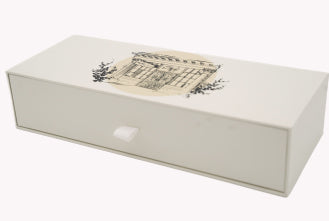
Color choices matter more than many shop owners realize. Kraft brown conveys artisanal quality and sustainability, which aligns well with specialty coffee culture. White suggests cleanliness and simplicity, which works for modern minimalist brands. Black or dark colors create premium positioning but show fingerprints and dust more readily—a consideration for high-touch environments like bakery counters.
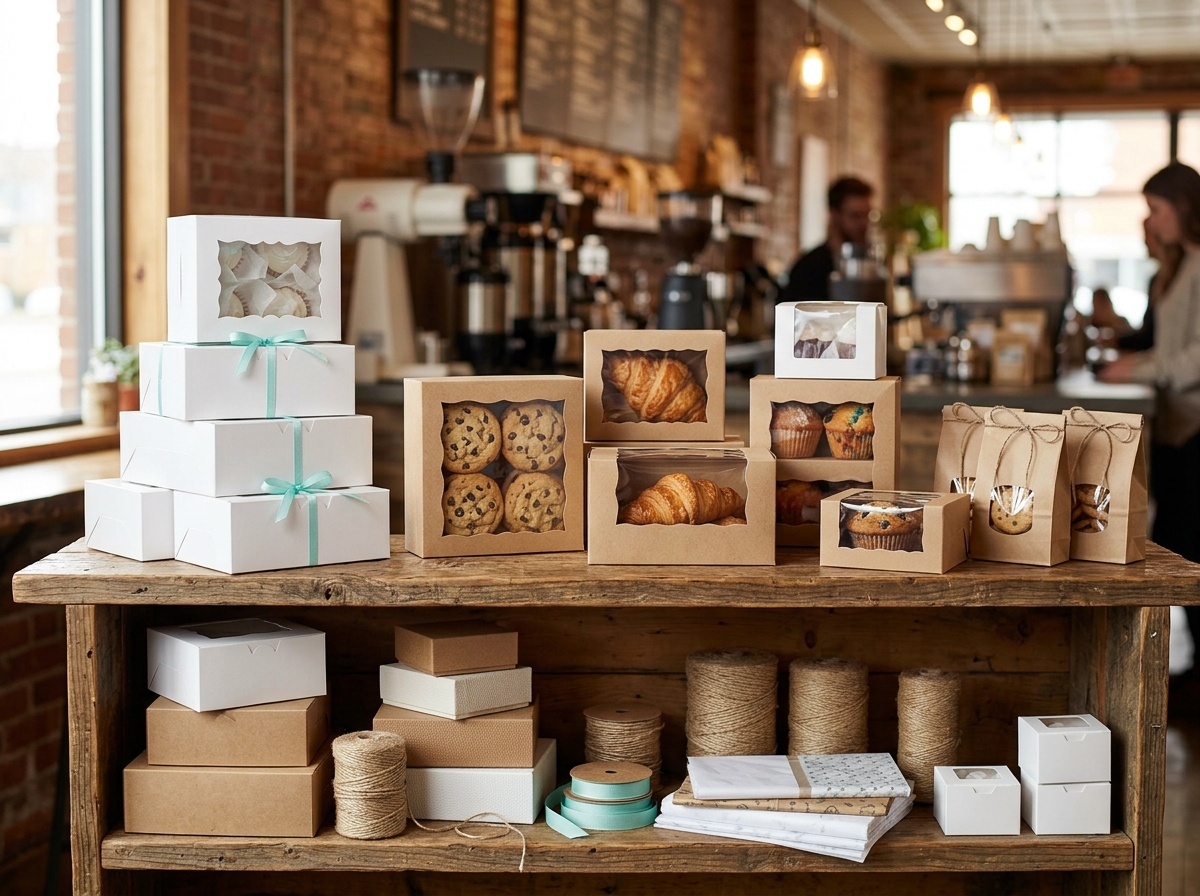
New coffee shop owners often overestimate the variety of packaging they need and underestimate the volume of their top sellers. A focused inventory of three to five box sizes will cover 90% of your bakery packaging needs. Start with the formats that match your highest-volume items, then add specialty sizes as sales data justifies them.
Most packaging suppliers set minimum order quantities (MOQs) based on production efficiency. Generic stock boxes typically have lower MOQs—often 100-500 units—while custom-printed packaging may require 1,000-5,000 units per design. For new coffee shops or those testing a bakery program, stock packaging with applied branding (stickers or stamps) offers more flexibility than committing to large custom print runs. Our article on minimum order quantities for coffee shop packaging breaks down what to expect from different suppliers.
Storage space is a practical constraint that many coffee shops overlook when ordering packaging. Boxes ship flat but still occupy significant space, especially when you're stocking multiple sizes. A case of 250 cupcake boxes might measure 24" x 18" x 12", which adds up quickly in a small back-of-house area. Order quantities that balance unit cost savings against available storage—saving $20 on a bulk order doesn't help if the boxes sit in your car because there's no room in the shop.
Seasonal fluctuations affect bakery packaging needs more than coffee packaging. Holiday periods—Thanksgiving through New Year's, Valentine's Day, Mother's Day—can triple bakery sales for coffee shops that offer seasonal items or gift boxes. Plan packaging inventory at least six weeks ahead of these peaks to avoid stockouts or rush shipping fees.
Coffee shop customers increasingly expect sustainable packaging options, particularly in urban markets and among younger demographics. This doesn't necessarily mean every box must be compostable, but it does mean you should be able to articulate your packaging choices when customers ask—and they will ask.
Recyclability is the baseline expectation. Plain kraft and white paperboard boxes are widely recyclable in municipal programs, though boxes with grease contamination may be rejected by some facilities. Plastic windows reduce recyclability in some systems, which is why many sustainability-focused coffee shops choose windowless boxes or boxes with PLA (polylactic acid) windows that are compostable in commercial facilities.
Compostable packaging carries appeal but requires infrastructure that many municipalities lack. BPI-certified compostable boxes will break down in commercial composting facilities but not in backyard compost bins or landfills. If your city lacks commercial composting infrastructure, compostable packaging may not offer a meaningful environmental advantage over recyclable paperboard. Be honest with customers about what happens to packaging in your specific location rather than making vague sustainability claims.
FSC (Forest Stewardship Council) certification indicates that paperboard comes from responsibly managed forests. This certification resonates with environmentally conscious customers and costs little to nothing extra when specified at the supplier level. Many coffee shops include FSC certification as a standard requirement in their packaging specs.
Training staff on proper packaging use prevents waste and ensures consistent presentation. Baristas should know which box fits which product, how to assemble boxes quickly during rush periods, and how to handle special requests (like separating items to prevent flavor transfer). A simple visual guide posted in the prep area—photos of each product with its corresponding packaging—eliminates guesswork and speeds up service.
Assembly matters more than it seems. Boxes that require multiple steps or precise folding slow down service and increase the chance of errors. Test packaging assembly during a mock rush period before committing to large orders. If a box design frustrates your most experienced barista, it will cause problems during real service.
Portion control extends to packaging. Oversized boxes for small items waste material and money. Undersized boxes damage products and frustrate customers. Match packaging size to product size with about a quarter-inch clearance on all sides for items without delicate decoration, and a half-inch for frosted or decorated items.
Consider offering customers a choice between "for here" and "to go" presentation for bakery items, just as many shops do for beverages. A pastry consumed on-site can be served on a small plate, which reduces packaging waste and creates a more refined experience. Items leaving the shop get full protective packaging. This approach cuts packaging costs while appealing to sustainability-minded customers who appreciate the option.
Most coffee shops operate effectively with three core sizes: 4" x 4" x 3" for individual pastries like muffins and croissants, 5" x 5" x 2" for cookies and brownies, and single or four-pack cupcake boxes (approximately 4" x 4" x 4" for singles, 8" x 8" x 4" for four-packs). Larger format boxes in the 10" x 10" range handle whole cakes and pies but represent lower-volume needs. Start with packaging that matches your three highest-volume bakery items, then expand as sales data justifies additional sizes.
Yes. All packaging that contacts food must meet FDA safety standards under federal law. This includes the paperboard, inks, coatings, and adhesives used in bakery boxes. Reputable suppliers use FDA-compliant materials by default, but you should confirm that materials comply with 21 CFR Parts 174-186, which govern food contact substances. Additionally, some states have enacted specific restrictions on packaging materials, particularly regarding PFAS in grease-resistant coatings, so verify compliance with local regulations where you operate.
The choice depends on your products and brand positioning. Windowed boxes let customers see the product, which can increase impulse purchases for visually appealing items like decorated cookies or colorful cupcakes. However, windows reduce recyclability in some municipal systems and typically cost 10-20% more than solid boxes. Solid boxes work well for items sold based on aroma or reputation rather than appearance—like croissants or scones—and align better with sustainability goals. Many coffee shops stock both types and match packaging to product characteristics.
The most cost-effective branding approach for new or small coffee shops is to purchase unprinted stock boxes in kraft or white and add branding through custom stickers, rubber stamps, or printed tissue paper. This method avoids the high minimum order quantities required for custom-printed boxes (typically 1,000-5,000 units) while maintaining visual consistency with your coffee packaging. Stickers offer the most flexibility since you can apply them selectively and change designs without discarding packaging inventory. As volume grows, you can transition to custom-printed boxes where unit economics justify the investment.
Recyclable packaging can be processed through standard municipal recycling programs and turned into new paper products. Most plain kraft and white paperboard boxes qualify, though grease contamination may cause some facilities to reject them. Compostable packaging breaks down in commercial composting facilities (not backyard bins) and typically carries BPI certification. However, compostable packaging only offers environmental benefits if your municipality has commercial composting infrastructure—otherwise it goes to landfills where it doesn't break down meaningfully differently than conventional packaging. Recyclable paperboard is often the more practical sustainable choice unless you operate in an area with robust composting programs.
Bakery boxes are one component of a complete packaging strategy that includes coffee bags, cups, sleeves, and branded elements that tie everything together. The most successful coffee shops think about packaging as a system rather than a collection of individual purchases. When a customer walks out with a latte, a croissant in a branded treat bag, and a half-pound of retail coffee, all three items should feel like they came from the same place.
This doesn't require a massive budget or complicated design work. It requires consistency in materials, colors, and branding approach. A kraft coffee bag, kraft pastry box, and kraft cup sleeve with the same logo stamp creates stronger brand recognition than three different packaging styles that happen to share a logo. Start with a cohesive vision for how you want your packaging to look and feel, then make purchasing decisions that support that vision rather than chasing the lowest per-unit cost on mismatched items.
As your coffee shop grows, your packaging needs will evolve. Products that start as occasional specials may become daily offerings that justify dedicated packaging. Customer feedback will reveal which packaging formats work well and which create friction. Sales data will show which items drive volume and deserve investment in premium packaging. Treat your packaging program as an ongoing process of refinement rather than a one-time decision, and adjust as you learn what works for your specific operation, customer base, and brand.