Cart
0
You may also like

Book a call with our development team to get started.



Apply online and access wholesale pricing.

For coffee shop owners, packaging decisions sit at the intersection of branding, operations, and profitability. Whether you're opening your first location or refining your existing cafe's identity, custom packaging for coffee shops represents both a significant upfront investment and one of your most visible brand touchpoints. Every bag of beans that leaves your counter, every pastry box handed to a customer, and every branded sleeve wrapped around a to-go cup communicates your values and reinforces customer loyalty.
This guide addresses the practical realities independent cafe operators face when sourcing packaging: understanding minimum order quantities that match your volume, balancing custom branding against per-unit costs, coordinating multiple packaging categories without overwhelming your storage space, and timing orders to align with seasonal demand peaks. We'll walk through the specific packaging types coffee shops need, cost structures at different order volumes, and how to build a cohesive program that works operationally while strengthening your brand.
Coffee shops operate in a unique dual role that most food service businesses don't face: you're simultaneously a retail product seller and a food service provider. This means your packaging needs span two distinct categories, each with different functional requirements and branding opportunities.
On the retail side, you need packaging for whole bean and ground coffee sales. These bags must protect product freshness through barrier materials, include one-way degassing valves for whole beans, and provide sufficient space for required labeling including origin information, roast date, and nutritional facts. Retail coffee bags become mobile advertisements when customers carry them home or give them as gifts, making them prime real estate for your logo and brand story.
The food service side encompasses everything customers consume on-premise or take away: hot and cold beverage cups, lids, sleeves, pastry boxes, cookie bags, sandwich wrappers, napkins, and carrier bags. According to Freedonia Group market research, demand for disposable packaging and serviceware products used in coffee and snack shops is forecast to increase 4.3% per year to $3.0 billion in 2027, reflecting the continued importance of takeout and delivery in cafe operations.
Most coffee shops also develop a gift and seasonal business, particularly in Q4. This requires gift boxes in multiple sizes, cellophane bags for bundling products, ribbon, tissue paper, and potentially holiday-specific packaging designs. These items typically carry higher margins but require advance planning due to longer lead times for custom printing.
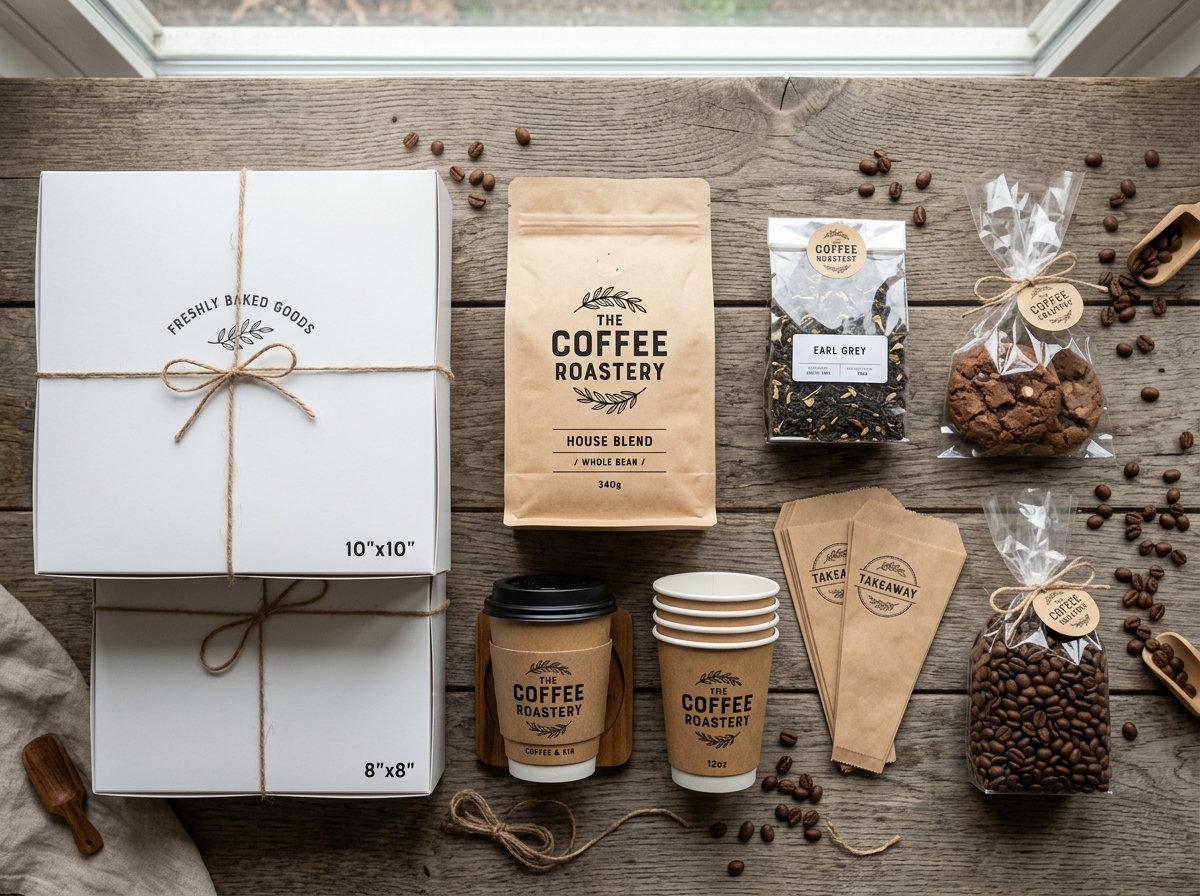
The decision to invest in custom packaging versus using generic stock packaging involves more than aesthetic preference. It's a calculation of brand value, customer acquisition cost, and long-term positioning in your market.
Generic packaging keeps upfront costs low and eliminates minimum order quantity barriers. You can order exactly what you need, when you need it, with no storage concerns. For a brand-new cafe testing product mix and uncertain about volume, this flexibility has real value. The trade-off is that every customer interaction becomes a missed branding opportunity. Your coffee bags look identical to dozens of other roasters, and your takeout packaging offers no visual reminder of where that excellent cortado came from.
Custom packaging transforms every customer touchpoint into a brand impression. A customer who receives your distinctively designed coffee bag will remember your shop when they're ready to reorder. Your branded pastry boxes become conversation starters at office meetings. Cohesive, professional packaging signals quality and attention to detail before customers even taste your product.
The cost differential narrows significantly at scale. While custom printing adds $0.15 to $0.40 per unit compared to stock packaging, that premium decreases as order volumes increase. A shop selling 200 bags of retail coffee monthly will spend roughly $30 to $80 more per month on custom bags—often less than a single day's revenue. For that investment, every bag becomes a marketing asset with staying power far beyond a social media post.
Consider the customer lifetime value calculation. If custom packaging contributes to even a 5% increase in repeat purchase rates, the incremental revenue quickly exceeds the packaging premium. One additional repeat customer per month typically generates $200 to $400 in annual revenue, dwarfing the cost of branded packaging.
Minimum order quantities represent the single biggest barrier for new coffee shops considering custom packaging. Most commercial printers and packaging suppliers set MOQs between 1,000 and 5,000 units per SKU to justify the setup costs for custom printing plates and dies.
For a new cafe selling 50 retail bags per week, a 1,000-unit minimum represents a 20-week supply—manageable, but requiring upfront capital and storage space. A 5,000-unit minimum stretches to nearly two years of inventory, creating cash flow strain and storage challenges that may be untenable.
Understanding the economics behind MOQs helps in negotiating and planning. Printing setup costs—creating plates, color matching, and machine setup—typically run $150 to $400 per job regardless of quantity. Suppliers amortize these fixed costs across the order volume. A 1,000-unit run might carry $0.40 per unit in setup costs, while a 5,000-unit run drops that to $0.08 per unit. The supplier's MOQ reflects the minimum volume needed to keep per-unit costs reasonable for both parties.
Several strategies help coffee shops work within MOQ constraints. First, start with your highest-volume items. If you're selling 200 retail coffee bags monthly but only 50 pastry boxes, prioritize custom coffee bags first and use stock boxes until volume justifies customization. Second, consider multi-location or cooperative ordering. Three independent shops in different neighborhoods can split a 5,000-unit order, each receiving 1,667 units with shared branding elements but different location details.
Digital printing technologies have created new options for lower MOQs. While traditional flexographic printing requires 1,000+ units to be cost-effective, digital printing can be economical at 250 to 500 units. The per-unit cost is higher—sometimes double that of flexographic printing—but the lower entry barrier and reduced inventory risk make digital printing attractive for new shops or seasonal designs. Understanding these MOQ dynamics is essential before requesting quotes.
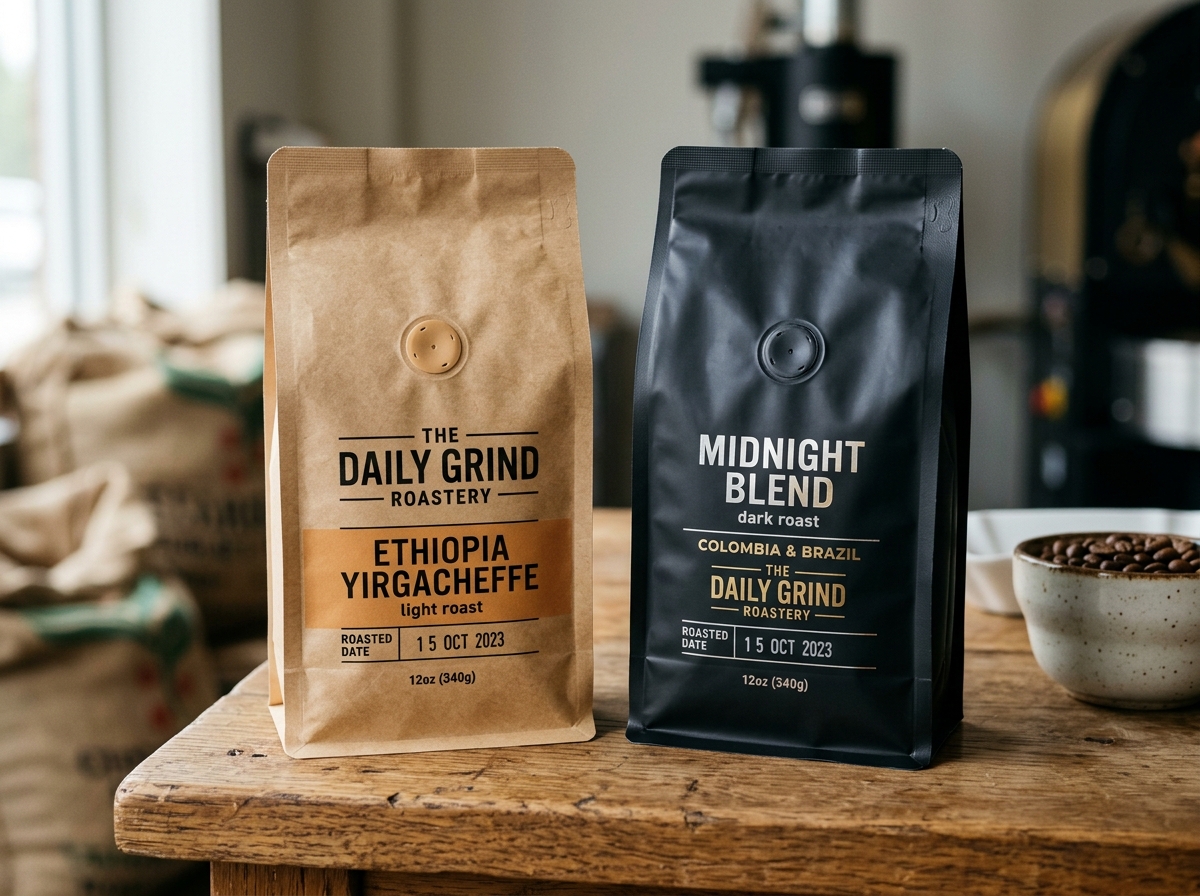
Coffee bags must solve a technical problem—preserving freshness and aroma—while serving as your primary retail branding vehicle. The material composition, valve type, closure mechanism, and size selection all impact both product quality and customer perception.
Material construction starts with barrier properties. Coffee's primary enemies are oxygen, moisture, light, and odors from other products. Multi-layer laminate bags combining polyethylene, aluminum foil, and polyester create an effective barrier against all four. These structures are labeled by layer count: three-layer bags offer basic protection suitable for coffee consumed within two to three weeks, while five-layer and seven-layer bags extend shelf life to three to six months.
Kraft paper bags with poly linings have gained popularity among specialty roasters seeking a natural, eco-conscious aesthetic. These bags provide adequate protection for coffee sold and consumed quickly but offer less barrier protection than full foil laminates. The kraft exterior accepts custom printing well and communicates artisanal quality, making it popular for farmers market sales and gift packaging.
Degassing valves are non-negotiable for whole bean coffee. Freshly roasted beans release carbon dioxide for several days post-roast. Without a one-way valve to release this gas, bags would inflate and potentially burst. The valve prevents outside air from entering while allowing CO2 to escape. Ground coffee produces less gas and can sometimes be packaged without valves, though many roasters include them as a quality signal.
Closure mechanisms range from tin ties (the traditional fold-over wire closure) to resealable zippers and heat-sealed edges. Tin ties cost $0.02 to $0.04 per bag and signal traditional craft roasting. Zippered closures add $0.10 to $0.15 per bag but dramatically improve resealing effectiveness, keeping coffee fresher after opening. Heat-sealed bags without reclosure options are the most economical but appropriate only for single-use portions or customers who will transfer coffee to their own containers.
Standard sizes for retail coffee bags include 4 oz (sample/gift size), 8 oz (half-pound), 12 oz (standard retail), 16 oz (one-pound), 2 lb, and 5 lb (wholesale/bulk). Most specialty shops find 12 oz bags hit the sweet spot for retail pricing and consumption patterns. Offering 4 oz bags as samplers and 2 lb bags for regulars provides good range without excessive SKU proliferation.
Detailed coffee bag specifications help ensure your first order meets both functional and aesthetic requirements.
Bakery packaging in coffee shops serves multiple functions: protecting baked goods during transport, maintaining freshness, preventing grease bleed-through, and presenting products attractively for grab-and-go display. The packaging you choose directly impacts food quality, customer satisfaction, and operational efficiency.
Pastry boxes come in two primary construction styles: one-piece fold-up boxes and two-piece lid-and-base boxes. One-piece boxes fold from a single die-cut sheet, requiring no assembly beyond popping them into shape. They're faster to use during rush periods and take up less storage space when flat. Two-piece boxes offer a more premium presentation and sturdier construction, making them better for layered cakes or delicate pastries that need protection during transport.
Grease resistance is critical for croissants, muffins, and any pastry with butter content. Standard paperboard will show grease stains within minutes, creating an unappetizing appearance. Grease-resistant boxes use either a poly coating or a natural grease barrier treatment. The FDA regulates the safety of substances that come into contact with food, such as those added to packaging materials, ensuring that any coatings used meet food safety standards.
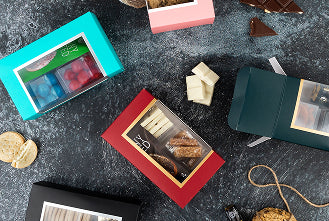
Window boxes with clear PET or glassine windows let customers see the product without opening the package, reducing handling and maintaining freshness. The window adds $0.08 to $0.15 per box but significantly improves grab-and-go sales by making products visible in display cases. For coffee shops with high visual appeal items like decorated cookies or colorful macarons, windowed boxes are worth the premium.
Size selection should match your actual product dimensions with minimal excess space. Common bakery box sizes include 4" x 4" x 2.5" (single pastry), 6" x 6" x 3" (muffins, large cookies), 8" x 8" x 4" (multiple pastries, small cakes), and 10" x 10" x 2.5" (dozen cookies). Oversized packaging wastes money, takes up storage space, and makes products look smaller than they are.
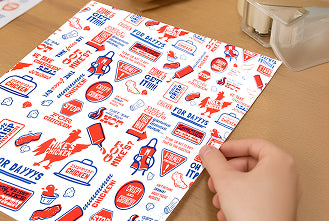
Cookie bags and glassine envelopes offer economical alternatives to boxes for individually wrapped items. A 4" x 6" glassine bag costs $0.03 to $0.06 compared to $0.25 to $0.40 for a small box. For high-volume items like biscotti or individually sold cookies, bags make operational and economic sense. They can be custom printed with your logo and sealed with branded stickers for a polished presentation.
Bakery packaging selection should balance cost, functionality, and brand presentation based on your specific product mix.
Beverage packaging represents the highest volume and most visible category for most coffee shops. The cups, lids, and sleeves customers carry out your door become mobile billboards, making them prime targets for branding investment.
Hot cup options divide into paper cups with various insulation strategies. Single-wall cups are the most economical at $0.06 to $0.10 per cup but require a sleeve or double-cupping for comfortable handling. Double-wall cups incorporate an air gap for insulation, eliminating the need for sleeves and providing a premium feel. They cost $0.15 to $0.22 per cup—roughly double single-wall cups—but the elimination of sleeves narrows the total cost gap. Ripple-wrap cups feature a corrugated outer layer that provides both insulation and a distinctive tactile texture, positioning at $0.12 to $0.18 per cup.
Custom printing on cups happens through two primary methods: flexographic printing directly on the cup during manufacturing, or printed sleeves that slide over stock cups. Direct cup printing provides the most seamless branding but requires MOQs of 10,000 to 50,000 cups—a 3 to 12-month supply for most independent shops. This volume and upfront cost makes direct printing practical mainly for established cafes with predictable volume or multi-location operators.
Custom sleeves offer a lower-barrier entry to beverage branding. Coffee sleeves can be custom printed with MOQs as low as 1,000 to 2,500 pieces, representing just 2 to 5 weeks of inventory for a busy shop. Sleeves cost $0.03 to $0.08 each for custom printing, compared to $0.01 to $0.02 for generic kraft sleeves. The $20 to $60 monthly premium buys significant branding impact with manageable inventory commitment.
Cold cups present different considerations. Clear PET plastic cups showcase colorful drinks and layered beverages, driving social media sharing and visual appeal. They're available in 12, 16, 20, and 24 oz sizes with corresponding dome or flat lids. For shops serving cold brew or specialty iced drinks, a white holder for 16 oz can provides an elegant alternative that keeps beverages cold while offering a premium presentation. Custom printing on clear cups is challenging—the printing must be on the inside surface to be visible through the clear exterior, limiting design options. Many shops use stock clear cups with custom-printed labels or stickers as a compromise.
Lid compatibility is non-negotiable. Cup and lid dimensions must match precisely or you'll face leaks, spills, and customer frustration. When ordering from multiple suppliers, always request samples and test lid fit before committing to large orders. A 16 oz cup from one manufacturer may not accept a "universal" 16 oz lid from another supplier due to millimeter differences in rim diameter.
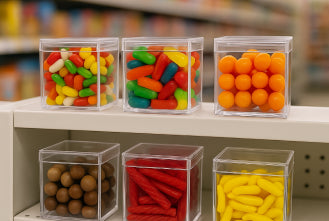
Clear bags and cellophane packaging serve multiple roles in coffee shop retail operations: protecting products from handling, enabling self-service displays, bundling multiple items for gift sets, and maintaining freshness for grab-and-go items. Their transparency showcases product quality while providing necessary hygiene barriers.
Cellophane bags come in various materials despite the generic name. True cellophane is a plant-based film that's biodegradable but offers limited moisture protection. Polypropylene bags (often called cello bags in the industry) provide better moisture barriers and heat-seal compatibility while maintaining clarity. These bags are available in flat, gusseted (with expandable sides), and block-bottom configurations.
For coffee shops, common applications include packaging biscotti, cookies, brownies, granola, tea sachets, and coffee sample packs. A 4" x 6" flat cellophane bag holds two large cookies or a generous brownie slice. A 5" x 7" gusseted bag accommodates bulkier items like scones or muffins while standing upright for display. Block-bottom bags in 4" x 2.5" x 9" dimensions work well for coffee sample sets or gift collections.
Closure methods impact both functionality and presentation. Fold-over tops with staples or stickers are quick and economical for high-volume operations. Heat sealing creates a professional, tamper-evident closure but requires a heat sealer ($30 to $200 depending on features). Twist ties offer easy reclosure but look less polished. Ribbon ties elevate presentation for gift items, adding $0.05 to $0.15 per package but creating significant perceived value.
Custom printing on clear bags is possible through two approaches. Direct printing on the bag requires high MOQs (typically 5,000+ bags) and works best for opaque or colored bags where the print is visible. For clear bags, custom printed labels or stickers applied to the outside provide flexible, lower-MOQ branding. A sheet of 20 custom labels costs $0.50 to $2.00 depending on size and printing method, bringing per-unit label costs to $0.025 to $0.10.
Clear bag strategies help maximize the versatility of this packaging category across multiple product applications.
Gift sales represent a high-margin opportunity for coffee shops, particularly during holiday seasons and local events. Thoughtful gift packaging transforms everyday products into premium presents, often commanding 30% to 50% price premiums over the same items sold individually.
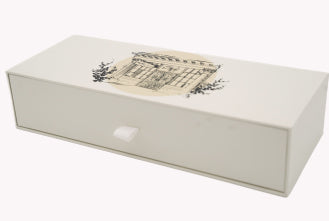
Gift boxes anchor most coffee shop gift programs. Rigid setup boxes with separate lids provide the most premium presentation but cost $2.00 to $5.00 per box depending on size and customization. These boxes work for high-value gift sets priced above $40. One-piece fold-up gift boxes offer good presentation at $0.40 to $1.20 per box, making them suitable for mid-range gifts in the $20 to $40 range. Corrugated kraft boxes with windows balance durability, visibility, and cost at $0.60 to $1.50 per box.
Gift box sizes should accommodate common product combinations. A 6" x 6" x 3" box holds a 12 oz coffee bag plus two small items like chocolate or biscotti. An 8" x 8" x 4" box accommodates two 12 oz coffee bags with filler. A 10" x 7" x 4" box fits a French press or pour-over dripper alongside a coffee bag. Having three to four box sizes covers most gift combinations without excessive SKU complexity.
Filler materials serve both protective and aesthetic functions. Crinkle paper adds color and cushioning at $0.03 to $0.08 per box depending on volume. Tissue paper provides elegant wrapping at $0.05 to $0.15 per sheet. Wood wool (excelsior) creates a rustic, artisanal look at $0.10 to $0.20 per box. The filler choice should align with your overall brand aesthetic—minimalist shops might use plain kraft paper, while premium roasters might opt for custom-printed tissue.
Cellophane overwrap with ribbon creates gift-ready presentation without requiring boxes for some products. A 12 oz coffee bag wrapped in clear cellophane and tied with 1.5" grosgrain ribbon looks gift-appropriate while costing just $0.15 to $0.30 in materials. This approach works well for impulse gift purchases and keeps packaging costs proportional to product value.
Seasonal packaging requires advance planning. Custom-printed holiday boxes typically need 8 to 12 weeks lead time from design approval to delivery. This means finalizing holiday packaging designs by late August or early September for November availability. Many coffee shops order holiday packaging in July to ensure October delivery, allowing time to build gift inventory before the peak season rush.
Gift packaging development should start with your best-selling product combinations and expand based on customer response.
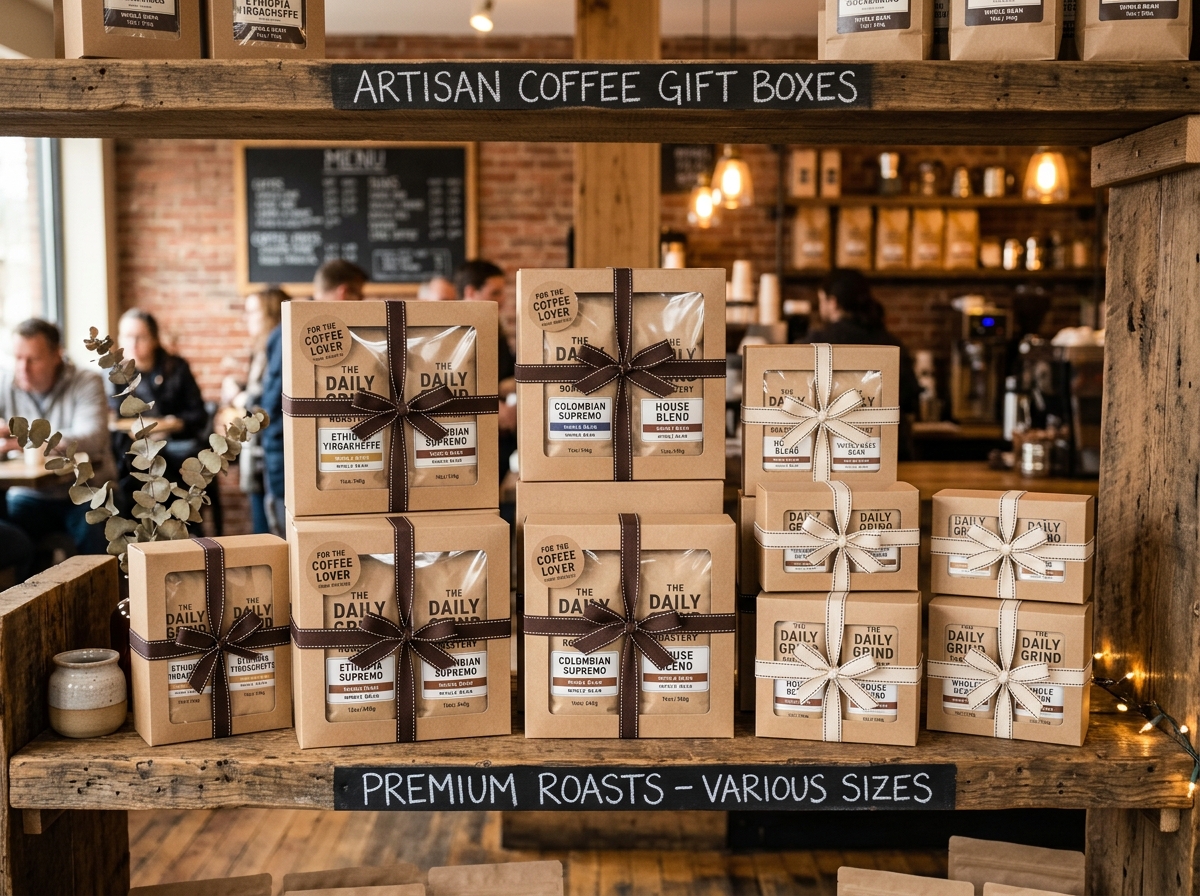
Coffee shops typically need 8 to 15 different packaging SKUs to cover retail coffee, bakery items, beverages, and gifts. Managing this complexity while maintaining brand cohesion and operational efficiency requires strategic planning.
Brand consistency across packaging categories creates professional polish and customer recognition. This doesn't mean every package needs identical design—that's often impractical given different package formats and printing methods. Instead, establish core brand elements that translate across all packaging: your logo, primary brand color, a secondary accent color, and a consistent typography style. A kraft coffee bag, white pastry box, and kraft sleeve can all feel cohesively branded through consistent logo placement and color accent use.
Prioritize customization investments based on visibility and volume. Your retail coffee bags and beverage sleeves are seen by more people for longer periods than your pastry boxes. If budget requires phasing custom packaging implementation, start with these high-visibility items. Use quality stock packaging for lower-visibility items like napkins and carrier bags initially, adding customization as volume and budget allow.
Supplier consolidation reduces complexity and often unlocks volume discounts. Ordering coffee bags, pastry boxes, and cellophane bags from a single packaging distributor simplifies ordering, reduces minimum order requirements through combined volume, and often secures better pricing. Some suppliers offer package deals where committing to multiple product categories reduces per-unit costs across all items.
Standardize sizes where possible to reduce SKU proliferation. If your pastries fit comfortably in either 6" x 6" or 8" x 8" boxes, choosing one size for all items simplifies inventory and ordering. The slight material waste from using an 8" box for a smaller pastry is often offset by reduced complexity and better volume pricing on a single box size.
Document your packaging specifications in a central reference. Create a simple spreadsheet listing each packaging item, supplier, item number, cost per unit, current MOQ, lead time, and reorder point. This documentation prevents ordering errors, enables quick reordering, and provides essential information if you need to switch suppliers or bring on additional staff who handle ordering.
Packaging program coordination becomes increasingly important as your product offerings expand.
Custom packaging's primary operational challenge is inventory management. Large minimum orders create storage demands and tie up working capital, while running out of packaging can halt sales. Effective systems balance these competing concerns.
Calculate storage space before placing large orders. A case of 500 coffee bags measures roughly 18" x 12" x 14". A 5,000-unit order requires 10 cases, occupying approximately 15 cubic feet of storage. Pastry boxes store flat, with 250 to 500 boxes per case depending on size. Map your available storage space and work backward to determine realistic order quantities. If storage constrains your ability to meet MOQs, consider whether you can store packaging off-site in a less expensive storage unit, though this adds complexity to daily operations.
Implement a simple reorder point system. For each packaging item, calculate your average weekly usage and multiply by lead time in weeks, then add a two-week safety buffer. If you use 100 coffee bags weekly and lead time is 4 weeks, your reorder point is 600 bags (4 weeks + 2 week buffer × 100 bags/week). When inventory hits 600 bags, place your next order. This system prevents stockouts while accounting for lead time variability.
Track usage rates for the first 90 days after opening or after introducing new packaging. Initial estimates of usage often miss the mark. You might project selling 50 retail coffee bags weekly but actually sell 75, or assume you'll need 200 pastry boxes weekly but only use 120. Actual data from your first three months provides the foundation for accurate reorder calculations going forward.
Consider seasonal variation in your reorder calculations. Coffee shops typically see 30% to 50% volume increases during Q4 holiday season. If your normal reorder point is 600 coffee bags, increase it to 800 to 900 bags for orders arriving in October or November. Similarly, gift boxes might sit unused for 9 months but turn rapidly in November and December. Order these items with long lead times and plan for extended storage.
Negotiate staggered delivery for very large orders. Some suppliers will produce your full order quantity to secure the volume pricing but deliver in two or three shipments over several months. This approach provides volume discount benefits while reducing immediate storage burden and improving cash flow. Not all suppliers offer this, but it's worth requesting, particularly for orders exceeding 6 months of inventory.
Inventory planning systems prevent both costly stockouts and excessive capital tied up in packaging supplies.
Effective packaging design balances aesthetic appeal with practical functionality and budget constraints. Your packaging design makes a brand promise that your product must deliver on.
Start with clarity and legibility. Your shop name should be immediately readable at 3 to 5 feet distance. On a coffee bag, this typically means your logo or shop name should occupy at least 30% of the front panel. Overly complex designs with small text, multiple fonts, and competing visual elements create confusion rather than recognition. Simple, bold designs reproduce better across different packaging formats and printing methods.
Color choices impact both brand perception and printing costs. Single-color printing (your logo in one ink color on kraft or white stock) costs significantly less than full-color printing. A well-designed one-color mark can be as distinctive as a full-color design. If budget allows two colors, choose one primary brand color and black, giving you flexibility for text and graphic elements. Full-color process printing (CMYK) provides unlimited color options but increases costs by $0.10 to $0.30 per unit and raises MOQs.
Typography communicates brand personality before customers read a word. Serif fonts suggest tradition, craft, and heritage—appropriate for shops emphasizing single-origin beans and traditional roasting methods. Sans-serif fonts convey modernity, efficiency, and approachability—fitting for shops targeting younger professionals or emphasizing convenience. Script fonts communicate elegance and artisanal quality but can sacrifice legibility if overused. Limit designs to two fonts maximum: one for your logo/headlines and one for body text.
Required information must be incorporated into design, not treated as an afterthought. Coffee bags need nutrition facts panels, ingredient lists, net weight, roaster information, and often origin details. Pastry boxes need allergen warnings. Plan these required elements into your design from the start, allocating appropriate space and ensuring they remain legible. Trying to squeeze required information into a completed design typically results in poor placement and compromised aesthetics.
Work with designers experienced in packaging. Graphic designers skilled in web or print design may not understand packaging constraints: how designs wrap around three-dimensional forms, how printing bleeds work, how die cuts and folds impact design placement, or how different printing methods affect color reproduction. A packaging-experienced designer saves money by creating files that print correctly the first time and designs that work within your budget parameters.
Packaging design development should happen before requesting quotes, ensuring suppliers can accurately price your vision.
Coffee shop packaging decisions increasingly involve sustainability considerations and regulatory compliance, both driven by consumer expectations and legal requirements.
Sustainability and profitability are key concerns for coffee shop owners, with coffee packaging and roasting techniques evolving to reduce waste and increase efficiency. Customer surveys consistently show 60% to 75% of specialty coffee customers prefer shops using sustainable packaging, and many will pay modest premiums for it.
Compostable and biodegradable packaging options have expanded significantly. Compostable coffee bags made from plant-based films can break down in commercial composting facilities within 90 to 180 days. These bags cost 20% to 40% more than conventional bags but appeal to environmentally conscious customers. The caveat: they require commercial composting infrastructure, which isn't available in all areas. If your municipality lacks commercial composting, compostable packaging may end up in landfills where it doesn't break down effectively.
Recyclable packaging provides broader environmental benefits given existing infrastructure. Paper-based packaging—kraft coffee bags with minimal poly lining, paperboard pastry boxes, paper cups—can be recycled in most municipal systems. Clear guidance to customers about recyclability improves actual recycling rates. Including a small recycling symbol with "Recyclable with paper" or "Recyclable with plastics #1" helps customers dispose of packaging correctly.
Regulatory compliance for food packaging is mandatory and non-negotiable. The FDA regulates the safety of ingredients added directly to food and substances that come into contact with food, such as those added to packaging materials. All packaging materials that contact food must comply with FDA food contact substance regulations. Reputable packaging suppliers provide FDA compliance documentation, but it's your responsibility to verify compliance, particularly when sourcing from new or overseas suppliers.
State and local regulations increasingly restrict certain packaging materials. Packaging regulations including restrictions on single-use packaging, particularly plastics and polystyrene foam, are emerging primarily at the state level, creating a complex patchwork for national operators. California, Washington, Oregon, and several other states have banned polystyrene foam food containers. Some jurisdictions require compostable or recyclable food service packaging. Research regulations in your specific location before ordering packaging that might be prohibited.
Labeling requirements vary by product and location. Coffee bags must include nutrition facts, net weight, ingredient lists, allergen warnings, and business contact information. Many states require "packed on" or "best by" dates. Bakery products need ingredient lists and allergen warnings. Failing to include required information can result in fines and force you to discard non-compliant packaging. Work with your packaging designer and supplier to ensure all required information is included and properly formatted.
Sustainability strategies should align with your customer values and available infrastructure in your area.
Coffee shop packaging demand follows predictable seasonal patterns. Strategic planning around these patterns optimizes inventory, reduces rush charges, and ensures availability during peak periods.
Q4 represents the peak season for most coffee shops, driven by holiday gift sales and increased beverage consumption during colder weather. November and December often generate 35% to 45% of annual gift packaging sales. This seasonal concentration requires planning that begins in summer. Custom holiday packaging—boxes with seasonal designs, holiday-themed coffee bags, festive ribbon—typically requires 8 to 12 weeks from design approval to delivery. To have holiday packaging in stock by early November, finalize designs by mid-August and place orders by early September.
Valentine's Day and Mother's Day create secondary gift peaks in February and May. These holidays don't require the inventory depth of Christmas but do benefit from dedicated gift packaging. Small gift boxes, cellophane bags with festive ribbon, and special labels can be ordered in January and April respectively with 4 to 6 week lead times.
Summer shifts focus from gift packaging to high-volume beverage supplies. Iced coffee and cold brew sales increase 40% to 60% during summer months, driving demand for cold cups, dome lids, and straws. Review cold beverage supply inventory in March and place summer stock orders in April to ensure May delivery before summer demand peaks.
Fall marks pumpkin spice season and the return to routine after summer, driving both beverage and retail coffee sales increases. Many shops introduce new seasonal blends in September, creating need for fresh coffee bag inventory. This is also when new coffee shops often open, taking advantage of fall foot traffic as people return to regular routines. Plan fall inventory increases in July with August ordering.
New shop openings cluster in spring (March-May) and fall (September-October), avoiding the extremes of winter weather and summer vacation season. New operators should begin packaging sourcing 3 to 4 months before planned opening. This timeline allows for design development (4-6 weeks), quote comparison (2 weeks), order production (4-8 weeks), and a buffer for unexpected delays. Opening in October means starting packaging development in June.
Build an annual ordering calendar based on these patterns. A simple spreadsheet with columns for each packaging item and rows for each month, noting when to design, order, and expect delivery, prevents last-minute scrambling and rush charges. Review this calendar quarterly and adjust based on actual usage patterns and any changes to your product mix or promotional calendar.
Seasonal planning strategies help maintain appropriate inventory levels throughout the year without over-committing capital during slower periods.
Minimum order quantities vary significantly by packaging type and printing method. Custom printed coffee bags typically require 1,000 to 5,000 units for traditional flexographic printing, though digital printing options can reduce MOQs to 250 to 500 units at higher per-unit costs. Custom printed pastry boxes generally have MOQs of 1,000 to 3,000 units. Beverage sleeves can be custom printed with MOQs as low as 1,000 to 2,500 pieces. For new coffee shops, starting with one or two high-visibility custom items (typically coffee bags and sleeves) while using stock packaging for other categories is a practical approach to managing initial investment and inventory.
Custom packaging typically costs 15% to 40% more than comparable stock packaging, with the premium decreasing at higher volumes. A stock kraft coffee bag might cost $0.35 to $0.45, while a custom printed version costs $0.50 to $0.70 for orders of 1,000 to 2,500 units. At 5,000+ units, that gap narrows to $0.45 to $0.55 for custom versus $0.35 to $0.45 for stock. Custom printed sleeves add $0.04 to $0.06 per unit versus $0.01 to $0.02 for generic sleeves. For a coffee shop using 200 retail bags and 500 sleeves monthly, the custom packaging premium totals approximately $50 to $70 per month—a modest investment for significant branding impact.
Lead times for custom packaging range from 4 to 12 weeks depending on complexity, order size, and supplier capacity. Standard custom printed coffee bags and boxes typically require 6 to 8 weeks from design approval to delivery. This includes 1 to 2 weeks for proof approval, 3 to 4 weeks for production, and 1 to 2 weeks for shipping. Digital printing can reduce lead times to 3 to 4 weeks. Holiday and seasonal packaging should be ordered 10 to 14 weeks in advance due to industry-wide demand spikes in late summer and early fall. For initial orders when opening a new shop, allow 12 to 16 weeks to accommodate potential design revisions and unexpected delays.
Prioritize packaging items based on visibility, customer retention value, and volume. Retail coffee bags should be first priority—they're taken home, stored on counters, and seen repeatedly, providing sustained brand exposure. Beverage sleeves rank second, as they're carried through public spaces and photographed for social media. These two items deliver the highest branding return relative to cost. Third priority typically goes to takeout bags or pastry boxes, depending on which category represents higher volume for your shop. Lower-priority items like napkins, stir sticks, and carrier bags can remain generic until volume justifies customization or budget allows expansion of your branded packaging program.
While maintaining consistent brand elements across all packaging is important, using identical designs across different package types often isn't practical or effective. Different packaging formats—bags, boxes, cups, sleeves—have different dimensions, printing methods, and functional requirements that necessitate design adaptation. The better approach is establishing core brand elements (logo, primary color, typography style) that remain consistent while adapting layouts to each package format. A coffee bag might feature your logo prominently on the front panel with origin information on the back, while a sleeve shows a simplified logo mark with your tagline. This approach maintains brand cohesion while respecting each package format's unique constraints and opportunities.
Custom packaging for coffee shops represents a significant operational decision that impacts brand perception, customer loyalty, and long-term profitability. By understanding the full scope of packaging needs, navigating minimum order quantities strategically, and building a coordinated program that balances cost with branding impact, coffee shop owners can transform packaging from a commodity expense into a strategic marketing asset. Whether you're opening your first location or refining an established cafe's brand presence, thoughtful packaging decisions create customer touchpoints that extend far beyond the initial transaction.