Cart
0
You may also like


Book a call with our development team to get started.



Apply online and access wholesale pricing.

Sustainable packaging no longer means choosing between your environmental values and your bottom line. In 2026, affordable eco-friendly packaging options are more accessible than ever for small businesses—if you know where to look. Recycled paperboard, FSC-certified materials, and compostable alternatives now compete on price with conventional options while delivering the green credentials your customers expect.
The shift is practical, not aspirational. Recycled paperboard costs 20–30 percent less than virgin materials, and kraft packaging offers durability at a fraction of plastic's environmental footprint. For small businesses navigating tight margins and rising consumer expectations, these solutions represent opportunity, not compromise. This guide walks you through the most cost-effective sustainable packaging materials available today, with real numbers, certification basics, and strategies to make the switch without straining your budget.
When you're exploring custom packaging ideas for small businesses, sustainability doesn't have to be an add-on—it can be the foundation of a smarter, more competitive packaging strategy.
Consumer expectations around sustainability have moved from preference to requirement. Research shows that over 70 percent of shoppers now prioritize eco-friendly packaging when making purchasing decisions. But for small businesses, the challenge has always been cost: sustainable options were historically positioned as premium upgrades, priced beyond the reach of operators working on wholesale minimums and slim margins.
That dynamic is changing. Material innovations, increased recycling infrastructure, and competitive pressure have driven down the cost of sustainable alternatives. Paper bags now cost roughly four cents to produce compared to one cent for plastic—but when you factor in disposal fees, shipping weight savings, and brand perception, the total cost equation shifts. Businesses that adopt sustainable packaging early often see customer loyalty gains that offset the modest per-unit premium.
Regulatory pressure is accelerating the transition. Extended producer responsibility programs across Europe and expanding into U.S. states now hold brands accountable for end-of-life packaging impact, according to the Sustainable Packaging Coalition. Compliance isn't optional, and early adopters gain lead time to optimize both cost and process before mandates tighten.
Recycled paperboard—often called coated recycled board or CRB—is the most accessible entry point for businesses seeking affordable eco-friendly packaging. Made from at least 50 percent post-consumer or post-industrial fiber, CRB delivers the structural integrity and print quality of virgin paperboard at a lower material cost. Expect savings of 20–30 percent on sheet cost compared to virgin alternatives.
The material is lightweight, which translates to reduced shipping expenses. It accepts coatings, embossing, and full-color printing, making it suitable for everything from bakery boxes to retail folding cartons. The double clay coating applied to most CRB grades provides a smooth surface for branding and protects against moisture and environmental contaminants.
Recycled paperboard works across industries. Food and beverage brands use it for trays and cartons, stationery companies rely on it for file folders and notepad backs, and even luxury brands incorporate CRB into rigid boxes for cosmetics and accessories. The versatility stems from the range of available grades and thicknesses—you can specify heavier GSM (grams per square meter) for structural applications or lighter weights for inserts and sleeves.
When sourcing recycled paperboard, verify that your supplier provides consistent flatness and moisture control. Warped sheets cause print delays, and poor recycling processes can leave an odor. Request samples before committing to a production run, and confirm that the GSM matches your product's weight and protection requirements.
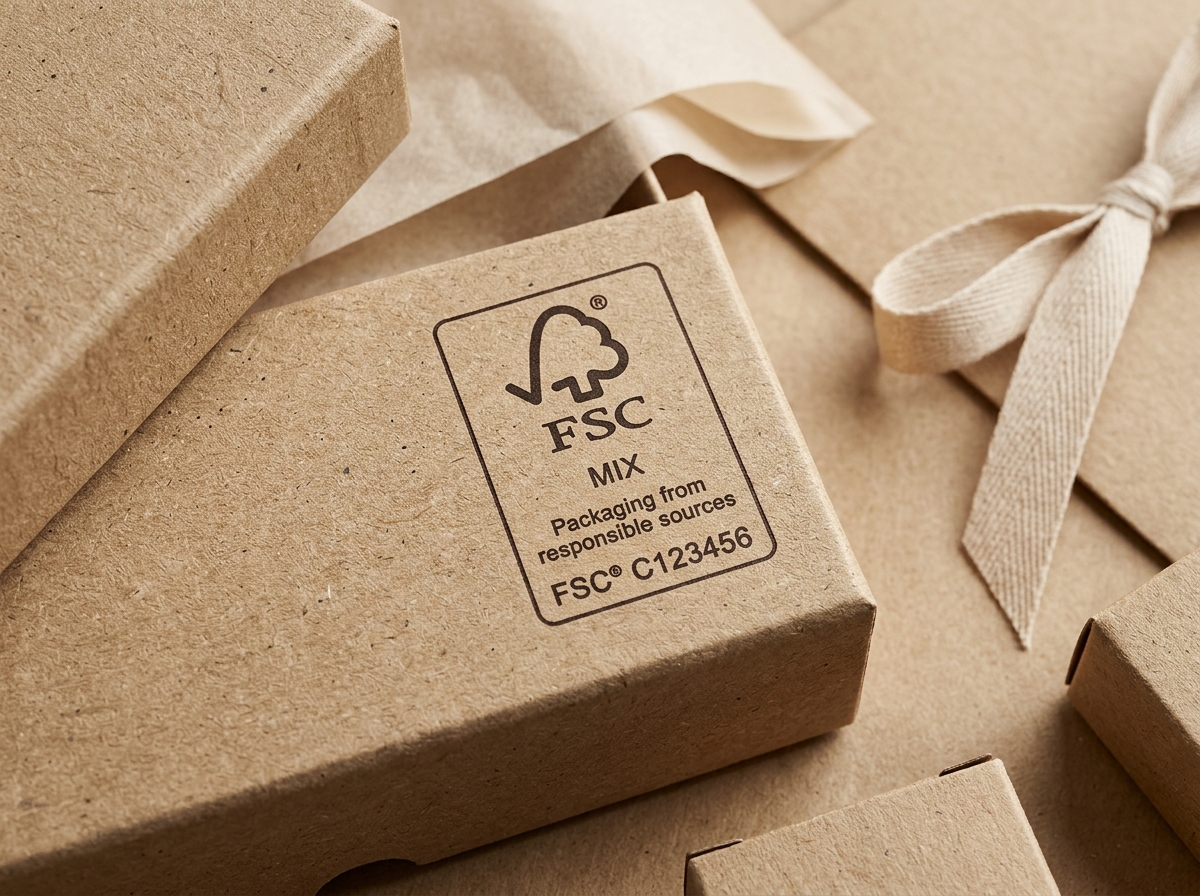
The Forest Stewardship Council sets the global standard for responsible forest management. FSC certification verifies that paper and wood-based packaging materials come from forests managed under strict environmental, social, and economic guidelines. For small businesses, FSC-certified materials offer credible, third-party-verified sustainability claims without the premium pricing you might expect.
FSC offers three label types. FSC 100% means all materials come from certified forests. FSC Recycled indicates the product is made entirely from verified recycled content. FSC Mix combines certified forest materials, recycled content, or controlled wood from low-risk sources. Each label provides transparency and traceability through the supply chain, from forest to finished packaging.
Cost-wise, FSC-certified paperboard typically adds a modest per-unit premium—often negligible at wholesale volumes. The certification process itself applies to manufacturers and converters, not end-user businesses, so you benefit from your supplier's chain-of-custody certification without needing your own audit. If your brand does pursue FSC certification, you unlock the ability to print the FSC trademark on your packaging, a powerful signal to sustainability-conscious customers.
Many small businesses assume FSC materials are out of reach. In practice, the price gap has narrowed as certified supply has scaled. When comparing quotes, ask suppliers to provide both FSC-certified and non-certified options side by side. The difference may be smaller than you think—and the brand equity gain can justify the investment. Understanding how to choose the right packaging material for your product includes weighing certification benefits against your budget and customer expectations.
Kraft paper and paperboard occupy a unique position in the affordable eco-friendly packaging landscape. The unbleached manufacturing process—which skips chemical whitening—leaves the material its signature brown color while reducing production costs and environmental impact. Kraft is fully recyclable, biodegradable, and offers excellent tear resistance and durability.
From a cost perspective, kraft competes directly with conventional packaging. It's lighter than many plastic alternatives, which reduces shipping expenses, and it's widely available at competitive wholesale pricing. Small businesses use kraft for everything from mailer boxes and shopping bags to structured kraft gift boxes that deliver a premium unboxing experience without premium material costs.
Kraft's aesthetic has shifted from utilitarian to aspirational. The natural, unfinished look signals authenticity and environmental responsibility—qualities that resonate with consumers across demographics. Brands can enhance kraft packaging with minimal printing, stamps, or twine closures, achieving a handcrafted feel that reinforces sustainability messaging without heavy design investment.
When sourcing kraft packaging, pay attention to weight and caliper. Heavier kraft works for shipping and outer packaging, while lighter weights suit tissue, void fill, and inner wrapping. Verify that your supplier sources from responsibly managed forests or offers FSC-certified kraft options to strengthen your sustainability story.
Compostable packaging materials—including plant-based films, mushroom-based inserts, and cornstarch packing peanuts—represent the cutting edge of sustainable packaging innovation. These materials break down in commercial composting facilities or home compost systems, eliminating end-of-life waste. But they come with trade-offs that small businesses must evaluate carefully.
Cost remains the primary barrier. Biodegradable plastics and mycelium-based packaging can run two to three times the price of conventional alternatives, though prices are dropping as production scales. A mycelium packaging unit averages €1 to €1.50 depending on size and weight, competitive with some polystyrene foam but still above recycled paperboard.
Performance varies by material. Compostable films work well for lightweight applications like resealable treat bags and favor packaging, but they lack the moisture barrier and durability of traditional plastics for heavier or temperature-sensitive products. Mushroom-based inserts offer drop-test performance comparable to foam and can be custom-molded, making them viable for protective packaging in e-commerce shipments.
Minimum order quantities for compostable materials tend to run higher than paper-based options—often 500 units per month for custom projects. For businesses with consistent volume, this isn't prohibitive. For those testing new products or operating seasonally, paper and kraft solutions offer more flexibility.
If you're considering compostable packaging, verify that your customers have access to commercial composting infrastructure. Home compostable certifications (such as those meeting ASTM International D6400 or EN 13432 standards) provide broader utility, but not all compostable materials meet these thresholds. Transparency matters: labeling packaging as compostable without clear disposal instructions can create confusion and undermine your sustainability goals.
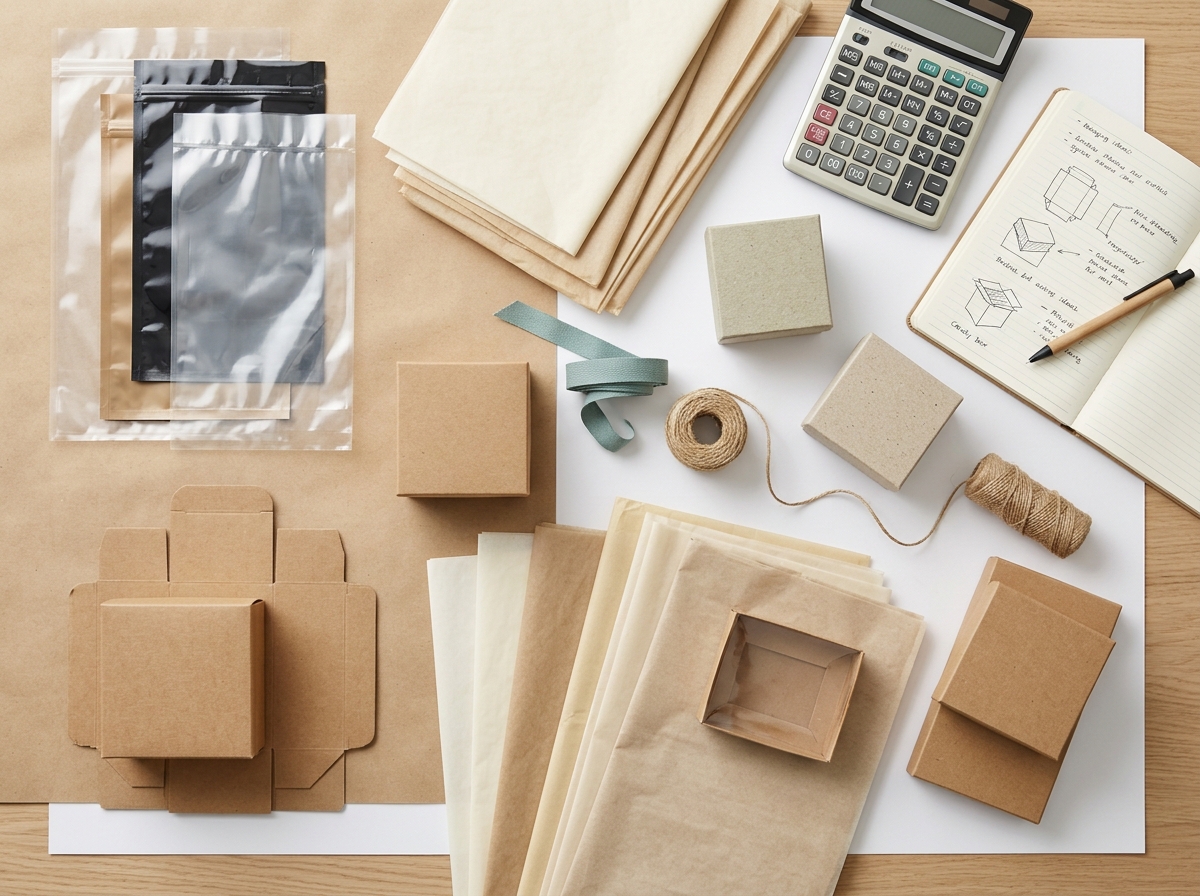
Minimum order quantities can make or break the economics of sustainable packaging for small businesses. Eco-friendly materials often carry higher MOQs than conventional options because suppliers need volume to offset lower per-unit margins. But strategies exist to navigate these requirements without overcommitting inventory or cash.
Start by consolidating SKUs. If you're ordering three different box sizes in small quantities, consider standardizing on one or two sizes that work across multiple products. This increases your per-SKU volume, helping you meet MOQs while reducing per-unit costs through economies of scale. The trade-off is less product-specific packaging, but many businesses find that a well-designed multi-use box with custom inserts delivers nearly the same brand experience at a fraction of the cost.
Partner with suppliers who offer stock sustainable packaging options. Many wholesalers now carry pre-made kraft boxes, recycled gift bags, and compostable mailers in standard sizes with no or low minimums. You sacrifice custom printing, but you gain immediate access to sustainable materials at accessible price points. For businesses just starting their sustainability journey, stock options provide a low-risk testing ground before committing to custom orders.
Plan ahead for seasonal volume. If you know you'll need higher quantities for Q4 or a specific event, time your custom sustainable packaging order to align with that peak demand. This approach lets you meet MOQs without sitting on excess inventory during slower months. Our guide on understanding MOQ for small businesses walks through forecasting and order timing strategies in detail.
Consider co-packing or group buys with complementary businesses. If you're part of a local business association, maker collective, or online community, explore whether other operators are interested in splitting a larger order of generic sustainable packaging. This works particularly well for unprinted kraft boxes, tissue, and void fill where branding is applied separately.
The sticker price of sustainable packaging rarely tells the full financial story. Total cost of ownership includes material cost, shipping, storage, disposal fees, and the less tangible but very real impact on customer acquisition and retention.
Shipping weight matters. Lightweight kraft and recycled paperboard reduce dimensional weight charges, which can offset a modest per-unit material premium. Businesses shipping high volumes via FedEx, UPS, or USPS often see meaningful savings when switching from heavier plastic or virgin paperboard packaging.
Disposal fees are rising. Many municipalities now charge businesses for landfill waste by weight or volume. Recyclable and compostable packaging diverts material from landfills, reducing or eliminating these fees. Some businesses report annual savings of $3,000 to $4,000 simply by recycling cardboard and paper instead of sending it to landfill.
Customer lifetime value increases when your packaging aligns with buyer values. Consumers willing to pay a premium for sustainable products are often higher-value customers with stronger brand loyalty. The incremental cost of eco-friendly packaging can be absorbed into product pricing with minimal resistance when the sustainability story is clearly communicated.
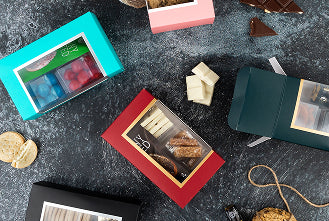
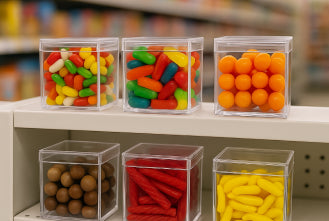
Brand differentiation has monetary value. In crowded markets, sustainable packaging becomes a decision factor that tips purchasing intent in your favor. This is particularly true in gift, food, and personal care categories where packaging is part of the product experience. A clear presentation box made from recycled materials tells a different brand story than single-use plastic—and commands attention on retail shelves and social media feeds alike.
Understanding relative costs helps you make informed trade-offs. Here's how common sustainable materials stack up against conventional alternatives based on current wholesale pricing:
Kraft shredded paper filler runs approximately $30 for a ten-pound carton, compared to $21 for a seven-cubic-foot bag of non-recyclable Styrofoam packing peanuts. You'll need more shredded paper to achieve equivalent cushioning, but disposal cost savings and brand perception often tip the balance in favor of paper.
Paper bags cost around four cents to produce versus one cent for plastic bags. Paper is recyclable through curbside programs; plastic bags typically are not. For retail and e-commerce businesses, the three-cent difference is negligible when spread across a transaction, but the sustainability signal is significant.
Recycled paperboard folding cartons deliver 20–30 percent cost savings compared to virgin paperboard, with comparable strength when specified correctly. This makes CRB the most budget-friendly sustainable option for boxes, cartons, and sleeves.
Compostable films and bioplastics cost two to four times more than conventional plastic films. Use these selectively for high-visibility applications—such as window panels on gift boxes or branded favor bags—where the sustainability message justifies the premium.
FSC-certified materials add a small per-unit cost, often absorbed at wholesale volumes. The premium varies by material and supplier but typically falls within 5–15 percent of non-certified equivalents. For branded packaging where certification can be printed and promoted, the return on investment is clear.
Switching to sustainable packaging doesn't require a complete overhaul overnight. Incremental transitions allow you to test materials, optimize costs, and bring customers along without budget shock.
Start with void fill and secondary packaging. Replacing plastic bubble wrap and peanuts with recycled paper or biodegradable alternatives is low-risk and low-cost. These materials are widely available in stock sizes with minimal or no MOQs, and the switch is invisible to customers in terms of product presentation but visible in terms of sustainability messaging.
Prioritize high-visibility packaging next. If you sell gift items, the outer box or bag is where customers form their first physical impression. Investing in FSC-certified kraft or recycled paperboard for primary packaging delivers maximum brand impact. Interior components—such as inserts, dividers, and tissue—can follow in a second phase once you've validated customer response and supplier performance.
Test before you scale. Order samples of multiple sustainable materials and run them through your packing process. Check for fit, durability during shipping, and ease of assembly. Small issues at the sample stage—like a box that's slightly too tight or tissue that tears easily—become expensive problems at volume.
Communicate the change to customers. A simple insert card or website update explaining your shift to sustainable packaging reinforces the decision and invites positive feedback. Many businesses find that customers not only accept minor packaging changes (such as unprinted kraft boxes instead of full-color printing) but actively praise the environmental commitment.
Revisit pricing if needed. If sustainable packaging adds meaningful per-unit cost, consider whether a small price increase is viable. Frame it as a product improvement—because it is. Transparency about the sustainability investment builds trust and differentiates your brand from competitors still using conventional materials.
Greenwashing is a real risk when marketing sustainable packaging. Vague claims like "eco-friendly" or "green" without supporting evidence can trigger customer skepticism and, in some jurisdictions, regulatory scrutiny. Third-party certifications provide the credibility your sustainability messaging needs.
FSC certification is the most recognized standard for paper and wood-based packaging. It verifies responsible forest management and supply chain traceability. If your packaging carries the FSC label, you can confidently communicate that your materials support healthy forests and ethical labor practices.
Recycled content certifications—such as those from the Recycled Paperboard Alliance (RPA100)—validate that paperboard contains 100 percent recycled fiber. This is particularly important for businesses making specific recycled content claims on packaging or marketing materials.
Compostability certifications vary by region. In the U.S., look for ASTM D6400 (for compostable plastics) or BPI certification. In Europe, EN 13432 is the standard. Home compostable certifications (such as TÜV Austria's OK Compost Home) indicate materials will break down in backyard compost systems, not just industrial facilities.
If you're not ready to pursue certifications, focus on factual, verifiable claims. "Made from 100% recycled paperboard" or "FSC-certified kraft" are specific and defensible. Avoid broad terms like "sustainable" or "eco-friendly" unless you can point to third-party verification or a detailed explanation of what makes the packaging sustainable.
The cost premium for affordable eco-friendly packaging varies by material. Recycled paperboard often costs 20–30 percent less than virgin paperboard, making it a budget-friendly choice. Kraft packaging competes directly with conventional materials on price. Compostable and biodegradable options can cost two to four times more than plastic equivalents, though prices are declining as production scales. For most small businesses, the total cost difference is modest—especially when factoring in shipping weight savings, disposal fee reductions, and customer loyalty gains.
FSC certification verifies that paper and wood-based packaging materials come from responsibly managed forests. The Forest Stewardship Council sets strict environmental, social, and economic standards, and third-party auditors verify compliance throughout the supply chain. You don't need your own FSC certification to use FSC-certified materials—your supplier's chain-of-custody certification covers you. If you want to print the FSC label on your packaging, you'll need to obtain a promotional license or your own certification, but many small businesses benefit from FSC materials without formal certification.
Yes, recycled paperboard can be used for food packaging when properly treated. Coated recycled board (CRB) with water-based grease barriers meets FDA compliance for direct food contact. Verify that your supplier provides food-safe certifications and that the coating is appropriate for your product type—dry goods, baked items, and non-greasy foods work well with standard CRB, while moisture- or oil-heavy products may require additional barrier coatings or liners.
Recycled paperboard and kraft packaging offer the best combination of cost, performance, and sustainability for most small businesses. Both materials are widely available, competitively priced, and fully recyclable. FSC-certified versions add third-party credibility with minimal cost premium. For businesses with higher budgets or specific performance needs, compostable films and biodegradable inserts provide additional sustainability benefits, though at higher per-unit costs.
Start by asking your current packaging supplier if they offer sustainable alternatives—many wholesalers now stock recycled, kraft, and FSC-certified options alongside conventional materials. Search for suppliers that specialize in eco-friendly packaging and request quotes for both stock and custom options. Join industry groups or online communities where small business owners share supplier recommendations. When evaluating suppliers, ask for samples, verify certifications, and confirm minimum order quantities before committing to a large order.
Affordable eco-friendly packaging is no longer a niche offering reserved for brands with deep pockets. Recycled paperboard, FSC-certified materials, and kraft packaging deliver sustainability credentials at price points that work for small business budgets. The key is understanding total cost—not just material price—and making incremental transitions that align with your volume, customer expectations, and brand positioning. Start with one packaging component, test thoroughly, and scale as you gain confidence in both supplier performance and customer response. Sustainability and profitability can coexist when you choose the right materials and approach the transition strategically.