Cart
0
You may also like

Book a call with our development team to get started.



Apply online and access wholesale pricing.

Creating a memorable unboxing experience on a small business budget is not only possible—it's one of the most cost-effective ways to build customer loyalty and generate organic marketing. While brands with deep pockets invest in custom-printed boxes and elaborate inserts, small businesses can achieve a similar emotional impact with strategic choices: quality tissue paper, handwritten notes, thoughtful product arrangement, and a few well-placed branded elements. The key is understanding which touchpoints matter most to your customer and allocating your budget accordingly. This guide walks through the specific tactics that deliver the highest return without requiring minimum order quantities in the thousands or custom tooling fees.
The unboxing experience has become a marketing channel in its own right. According to Google Trends data, searches for "unboxing" have grown consistently over the past decade, with over 90,000 monthly YouTube searches for unboxing-related content. When customers share their unboxing moments on social media, they're providing free brand exposure to their networks—but only if the experience feels worth documenting. For small businesses working within tight margins, the challenge is creating that share-worthy moment without the budget of a multinational brand. The solution lies in focusing on a few high-impact elements rather than trying to replicate every detail of luxury packaging.
The unboxing experience is the first physical interaction a customer has with your brand after making a purchase decision. It sets the tone for product satisfaction, influences repeat purchase behavior, and determines whether customers will recommend your business to others. Research from the Packaging Association shows that 40% of consumers are more likely to make repeat purchases from brands that deliver premium packaging experiences.
For small businesses, this moment is particularly valuable because it's one area where you can compete directly with larger competitors. A thoughtfully designed unboxing experience signals care, attention to detail, and brand values—all factors that influence customer perception independent of company size. When you're selling similar products to dozens of other businesses, packaging becomes a differentiator that's entirely within your control.
The economics also favor small businesses. While enterprise brands must maintain consistency across millions of units, small operations can personalize, test different approaches, and pivot quickly based on customer feedback. A handwritten thank-you note costs pennies and five minutes of time, but it creates a personal connection that automated systems cannot replicate. This human touch often resonates more deeply than expensive custom printing.
Effective unboxing experiences follow a layered reveal structure: outer packaging, opening moment, product presentation, and post-unboxing touchpoints. Each layer serves a distinct psychological purpose and can be optimized independently based on your budget constraints.
Your outer packaging doesn't need custom printing to make an impact. Many successful small businesses use stock kraft boxes or white mailers and add branding through stickers, stamps, or printed labels. Kraft boxes for small business offer a natural, eco-conscious aesthetic that aligns with contemporary consumer values while keeping costs low. A simple branded sticker on the box closure or a rubber stamp with your logo on the kraft surface can provide brand recognition without the expense of custom printing runs.
When selecting your outer box, prioritize structural integrity over decoration. A damaged box undermines every other element of the experience. Choose boxes sized appropriately for your product with minimal void space—this reduces both shipping costs and the need for excessive fill material. Standard sizes also mean you can order smaller quantities without custom die-cutting fees.
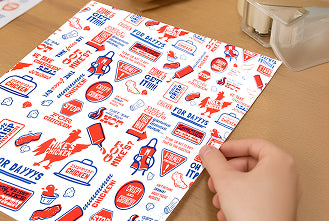
The seconds immediately after a customer opens the box are the most photographed and shared. This is where tissue paper, crinkle fill, or a top card create anticipation. Tissue paper is one of the highest-ROI investments in unboxing design: it's inexpensive, available in dozens of colors, and transforms the visual presentation instantly. White or kraft tissue paper works for nearly any brand aesthetic, while colored tissue can reinforce brand colors without custom printing.
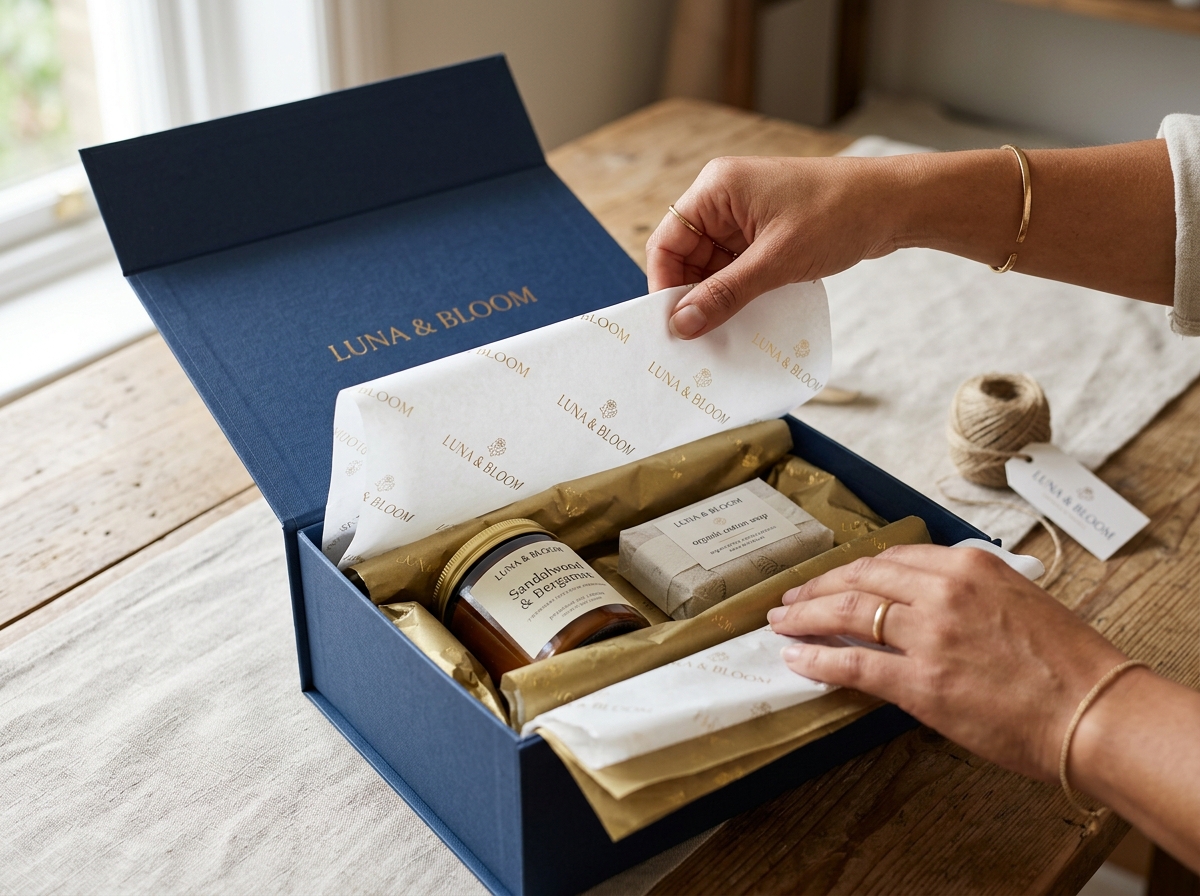
The folding technique matters as much as the material. Rather than crumpling tissue loosely into the box, fold it deliberately so the first thing customers see is a clean, intentional presentation. One popular technique is the "tent fold"—folding tissue in half and positioning it so it naturally frames the product when the lid lifts. This takes no additional material but creates a more premium perception.
How you arrange the product within the box communicates value. Even budget-friendly items can appear premium when thoughtfully positioned. Use interior space strategically: nestle products in tissue paper, separate multiple items with dividers or additional tissue layers, and ensure nothing shifts during shipping.
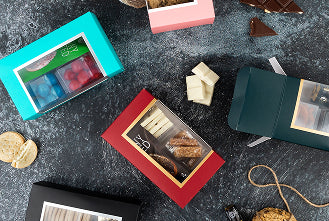
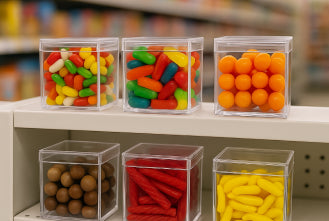
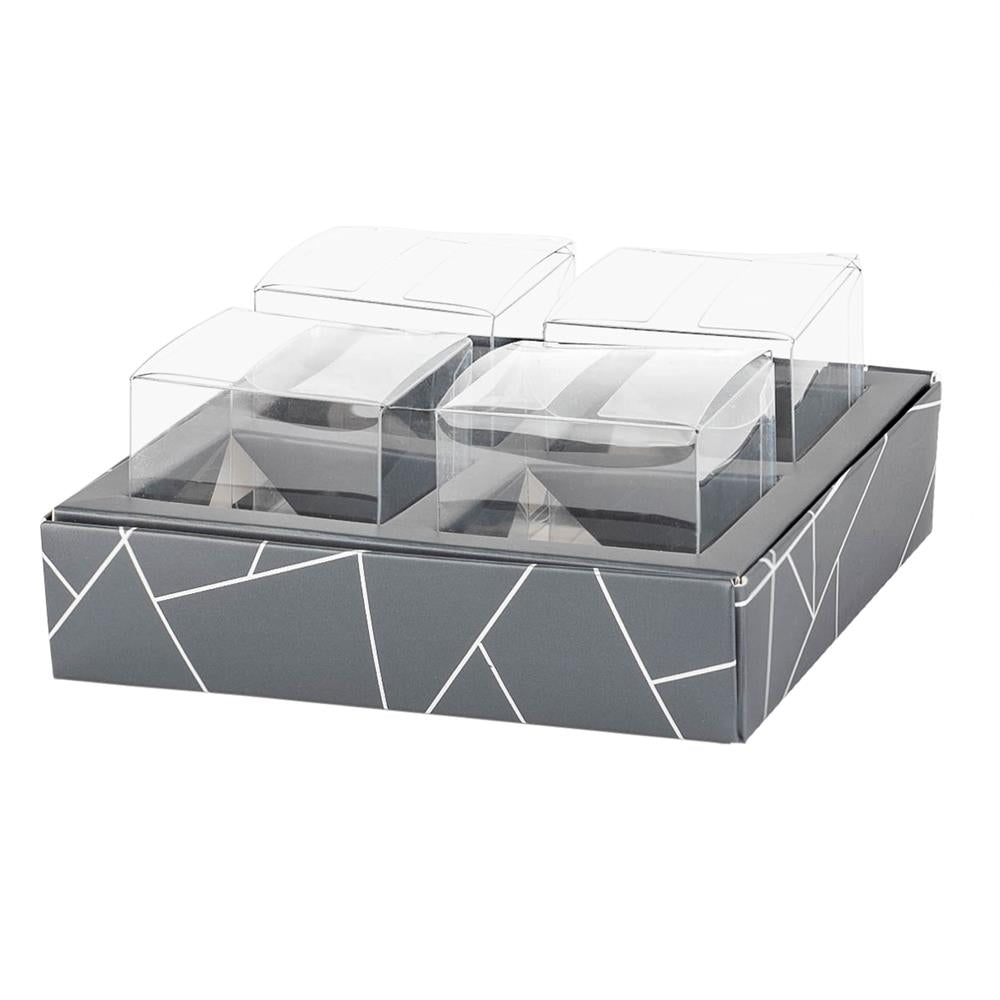
For businesses selling smaller items like candles, soaps, or food products, consider using a clear display box as an interior presentation element. This adds a retail-quality look while protecting the product, and customers often reuse these containers, extending your brand presence in their homes.
If you're working with different packaging materials, match the interior presentation to the structural properties of your box. Rigid boxes can support heavier inserts and layered presentations, while corrugated boxes benefit from simpler arrangements that don't add excessive weight.
Inserts serve both functional and emotional purposes. A thank-you card, care instructions, or brand story card adds perceived value at minimal cost. Many small businesses print these in-house on cardstock or order small batches from online print services for under $50 per hundred.
The content of your insert matters more than production quality. A genuine, specific thank-you message ("Thanks for supporting our small business—your order helps us keep our team employed") resonates more than generic corporate language. Include practical information: care instructions, styling suggestions, or a discount code for the next purchase. This transforms the insert from decorative element to useful reference customers will keep.
Stickers, samples, or small branded items work well as surprise additions, but only if they're genuinely useful. A branded sticker that customers might actually use on a laptop or water bottle extends your brand reach; a promotional item that goes directly to the trash wastes money and creates negative associations.
Most small businesses can create a compelling unboxing experience for $1.50 to $3.00 per order in materials. Here's how to allocate that budget for maximum impact:
Allocate 40-50% to the box itself. This is your foundation. A study box in the right size is non-negotiable. For most small businesses, this means $0.60 to $1.50 per unit depending on size and material. Stock boxes purchased in quantities of 25-100 units typically fall in this range and don't require the high minimum order quantities that custom printing demands.
Allocate 20-30% to tissue paper and fill material. Quality tissue paper costs $0.30 to $0.60 per order when purchased in reams. This single element creates the most dramatic visual transformation. Crinkle paper or shredded fill runs slightly higher but may be necessary for fragile items.
Allocate 15-25% to inserts and cards. Thank-you cards, care instruction cards, or small promotional inserts cost $0.25 to $0.75 per order depending on size and printing method. Start with simple designs you can print in-house, then upgrade to professionally printed cards as volume increases.
Allocate 5-15% to branded elements. Stickers, stamps, or labels provide brand recognition at low cost. A roll of 500 branded stickers typically costs $50-$100, bringing per-unit cost to $0.10-$0.20. A custom rubber stamp is a one-time investment of $20-$40 that can brand thousands of boxes.
This framework keeps total packaging costs under $3 per order while creating an experience that feels significantly more expensive. As your volume grows, you can reinvest savings from bulk purchasing into upgraded elements like custom-printed tissue or boxes.
Branding doesn't require custom printing on every surface. Several low-cost techniques create strong brand recognition:
Rubber stamps are the most versatile branding tool for small businesses. A custom stamp costs $20-$40 and can brand boxes, tissue paper, thank-you cards, and even product labels. The handcrafted aesthetic of stamping aligns well with small business positioning and adds a personal touch that digital printing cannot replicate.
Branded stickers offer more design flexibility than stamps and work on any surface. Order in sheets rather than rolls to reduce minimum quantities, and choose a size (2-3 inches) that works across multiple applications. Use stickers as box closures, on tissue paper, or as free additions customers can use elsewhere.
Twine, ribbon, or string adds a handcrafted detail for pennies per order. A simple wrap around the box or tied around folded tissue paper creates visual interest and slows down the opening process, building anticipation. Natural jute twine pairs well with kraft packaging; colored ribbon can reinforce brand colors.
Consistent color palette creates brand recognition without logos. If your brand colors are navy and gold, use navy tissue paper and gold twine consistently across all orders. Customers begin to associate these colors with your brand, and the cohesive aesthetic photographs well for social sharing.
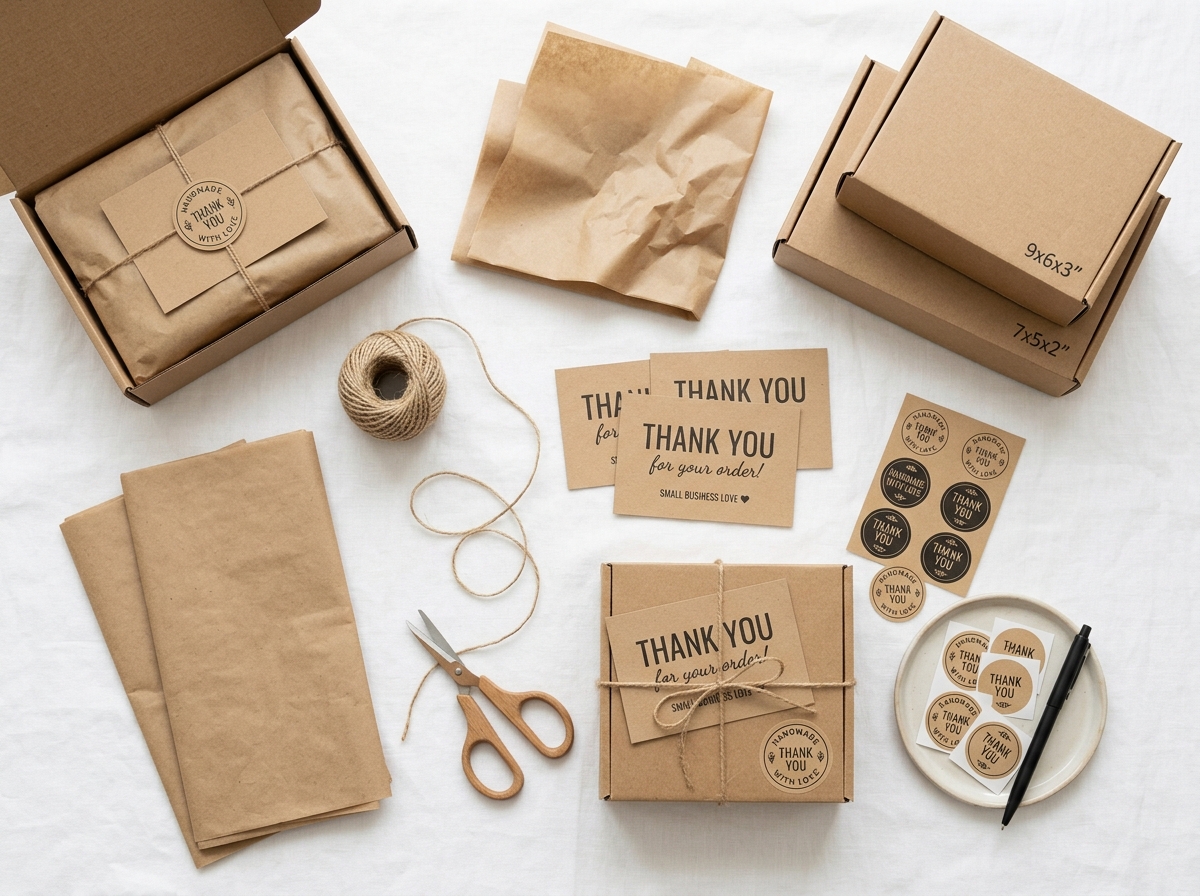
Handwritten elements are free but high-impact. A handwritten "thank you" on a printed card, a customer's name written on the envelope, or a brief personal note based on their order creates connection. This doesn't scale to thousands of orders, but for small businesses shipping 10-100 orders weekly, it's a feasible differentiator.
One advantage small businesses have over large competitors is the ability to adapt packaging quickly for seasons, holidays, or special occasions. You don't need separate inventory for each season—strategic additions to your core packaging create seasonal appeal.
For winter holidays, add red or green tissue paper to your standard box, or include a small seasonal sticker. For Valentine's Day, swap in pink tissue and include a heart-shaped confetti or a romantic quote card. These small changes signal that you're paying attention to the calendar and create timely social media content for customers.
Special occasion packaging also provides upsell opportunities. Offer gift-ready packaging as an add-on at checkout: "Add gift wrapping for $3" can include upgraded tissue, a gift tag, and a ribbon, increasing your average order value while providing convenience to customers purchasing gifts.
The benefit of starting with budget-friendly elements is that you can test different approaches without significant financial risk. Run small experiments to identify what resonates with your specific audience:
Ship five orders with handwritten thank-you notes and five with printed cards, then track which group leaves reviews or shares on social media. Test different tissue paper colors or box styles across small batches. Survey customers directly: "What did you think of your packaging?" or "Would you prefer eco-friendly materials or more colorful presentation?"
Track metrics that indicate unboxing success: social media mentions and tags, customer photos in reviews, repeat purchase rates, and direct feedback in post-purchase surveys. If you're seeing customers photograph and share their unboxing, you've succeeded—even if your packaging costs a fraction of what larger competitors spend.
As you gather data, double down on elements that drive engagement and eliminate those that don't. If customers consistently mention your thank-you cards but never comment on stickers, reallocate that budget. If kraft boxes get more positive feedback than white boxes, make that your standard.
As order volume increases, your packaging strategy should evolve. The techniques that work for 20 orders per week may not be sustainable at 200 orders per week, but growth also unlocks economies of scale that enable upgrades.
At 50-100 orders per month, you can justify small custom printing runs: tissue paper with your logo, custom stamps, or printed inserts from online print services. At 200-500 orders per month, custom box printing becomes cost-effective, and you can negotiate better rates with packaging suppliers.
The key is maintaining the elements that customers respond to even as you automate others. If handwritten notes drove early loyalty, consider how to preserve personalization at scale—perhaps handwritten notes for first-time customers or orders above a certain value, with printed cards for others.
Invest in packaging efficiency as you grow: pre-fold tissue paper in batches, create assembly stations with all materials within reach, and develop a standard operating procedure for packaging so anyone on your team can maintain consistency. Time savings from efficient processes can fund material upgrades.
Several pitfalls can undermine even well-intentioned unboxing experiences. Avoid over-packaging: excessive tissue paper, multiple layers of unnecessary fill, or boxes far too large for the product create waste and frustrate customers. The goal is a thoughtful presentation, not a treasure hunt through packing material.
Don't sacrifice protection for aesthetics. A beautiful unboxing experience means nothing if the product arrives damaged. Test your packaging by shipping samples to yourself or friends, and adjust fill material or box structure as needed.
Avoid generic, corporate-sounding messaging. "Thank you for your purchase" printed on a card adds little value. Specific, authentic language—"This [product] was handmade in our Portland studio" or "We're a family business and your support means everything"—creates connection.
Don't copy competitors exactly. While it's smart to study successful unboxing experiences in your industry, direct imitation makes your brand forgettable. Identify the principles that work (layered reveal, branded elements, personal touches) and adapt them to your unique brand voice and values.
Packaging is often treated as a pure cost center, but unboxing experiences generate measurable returns. Track customer lifetime value by packaging type: do customers who received upgraded packaging have higher repeat purchase rates? Monitor social media tags and mentions—each customer-generated unboxing post is free advertising with an implied endorsement.
Calculate your cost per acquisition for paid advertising, then compare it to the incremental cost of upgraded packaging. If you're spending $20 to acquire a customer through ads, investing an extra $1.50 in packaging to increase repeat purchase likelihood by 20% is a high-ROI decision.
Customer reviews often mention packaging when it exceeds expectations. Track the percentage of reviews that reference unboxing or presentation—this indicates how salient the experience is in overall satisfaction. Use positive packaging feedback in marketing materials: "Our customers love the unboxing experience" with customer photos builds social proof.
You can create a memorable unboxing experience for $1.50 to $2.00 per order by focusing on a quality box, tissue paper, and a simple thank-you card. Start with stock kraft boxes, white or colored tissue paper, and printed or handwritten cards. As volume increases, economies of scale allow upgrades without increasing per-unit cost.
For most small businesses, invest in inserts and branded elements like stickers or stamps before custom printed boxes. Custom boxes require high minimum order quantities (often 500-1,000 units) and upfront tooling costs. Stock boxes with branded inserts and stickers provide 80% of the impact at 20% of the cost, and you can test and iterate faster with lower financial commitment.
Kraft boxes signal eco-consciousness, natural materials, and artisanal quality—ideal for organic, handmade, or sustainable brands. White boxes feel cleaner, more modern, and work well for beauty, wellness, or minimalist brands. Consider your brand positioning and customer values. When in doubt, order small quantities of both and test customer response before committing to large inventory.
Rubber stamps ($20-$40 one-time cost) and branded stickers (approximately $0.10-$0.20 per unit) offer the best combination of low cost and visual impact. Stamps work on kraft boxes, tissue paper, and cards, while stickers can serve as box closures and free additions. Both allow you to brand stock packaging without custom printing minimums.
Choose recyclable kraft boxes, use paper-based tissue instead of plastic fill, and avoid excessive packaging layers. Communicate your sustainability choices on inserts: "This box and all materials are recyclable—please reuse or recycle." Customers increasingly value sustainable packaging, and kraft materials often cost the same or less than plastic alternatives while supporting your environmental messaging.