Cart
0
You may also like


Book a call with our development team to get started.



Apply online and access wholesale pricing.

The corporate gift unboxing experience has evolved from an afterthought into a strategic touchpoint that influences client relationships, social sharing, and brand perception. When a client receives your gift, the packaging speaks before the product does—and in an era where nearly 40% of consumers share unboxing moments on social media when packaging feels unique or gift-like, every detail matters.
But not every premium detail drives results. Some packaging elements reliably generate social shares and strengthen relationships, while others add cost without measurable impact. This guide breaks down the specific design choices that make corporate holiday gift packaging memorable and shareable—and which you can skip.
The psychology of unboxing centers on anticipation and emotional engagement. The unboxing phenomenon has expanded product design beyond technical aspects, encouraging manufacturers to consider packaging, styling, and emotional responses, with some technology manufacturers even holding patents on packaging experiences. For corporate gifts, this translates directly to relationship value.
Research shows that 60% of consumers won't buy again from a retailer after receiving a poorly packaged item. In a corporate context, that first impression can determine whether your gift reinforces the relationship or undermines it. The packaging is the first physical interaction a recipient has with your brand's thoughtfulness—or lack thereof.
A structured kraft gift box with intentional layering communicates investment and care. A generic brown box with bubble wrap communicates expedience. The contents might be identical, but the perceived value shifts dramatically.
Not all packaging details contribute equally to shareability. Based on consumer behavior research and Google's finding that 62% of people who viewed unboxing videos did so while researching a specific product, five elements consistently appear in shared unboxing moments.
The most shareable corporate gift unboxing experiences unfold in stages. A magnetic-closure outer box opens to reveal branded tissue paper. The tissue parts to show a custom insert card. Beneath that sits the gift, nestled in a fitted compartment or wrapped in a secondary layer.
Each layer extends the anticipation and provides a natural pause point for photography or video. Single-layer packaging—where the gift sits directly in the box—compresses the experience into a forgettable three-second moment. Layering costs more in materials and assembly time, but it's the single most reliable driver of social shares.
Tactile differentiation matters. Matte-finish boxes, grosgrain ribbon, and soft-touch coatings signal quality before the recipient consciously evaluates the gift. Glossy cardboard and plastic ribbon feel transactional, even when the underlying box structure is identical.
The texture hierarchy runs: soft-touch matte > uncoated kraft > glossy coated > bare corrugated. For corporate gifts where most buyers spend between $25 and $125 per item, with 77% of one-to-one corporate gifting falling in this range, the texture upgrade from glossy to matte typically adds $0.40–$1.20 per unit at volume—a worthwhile investment for executive-level gifts.
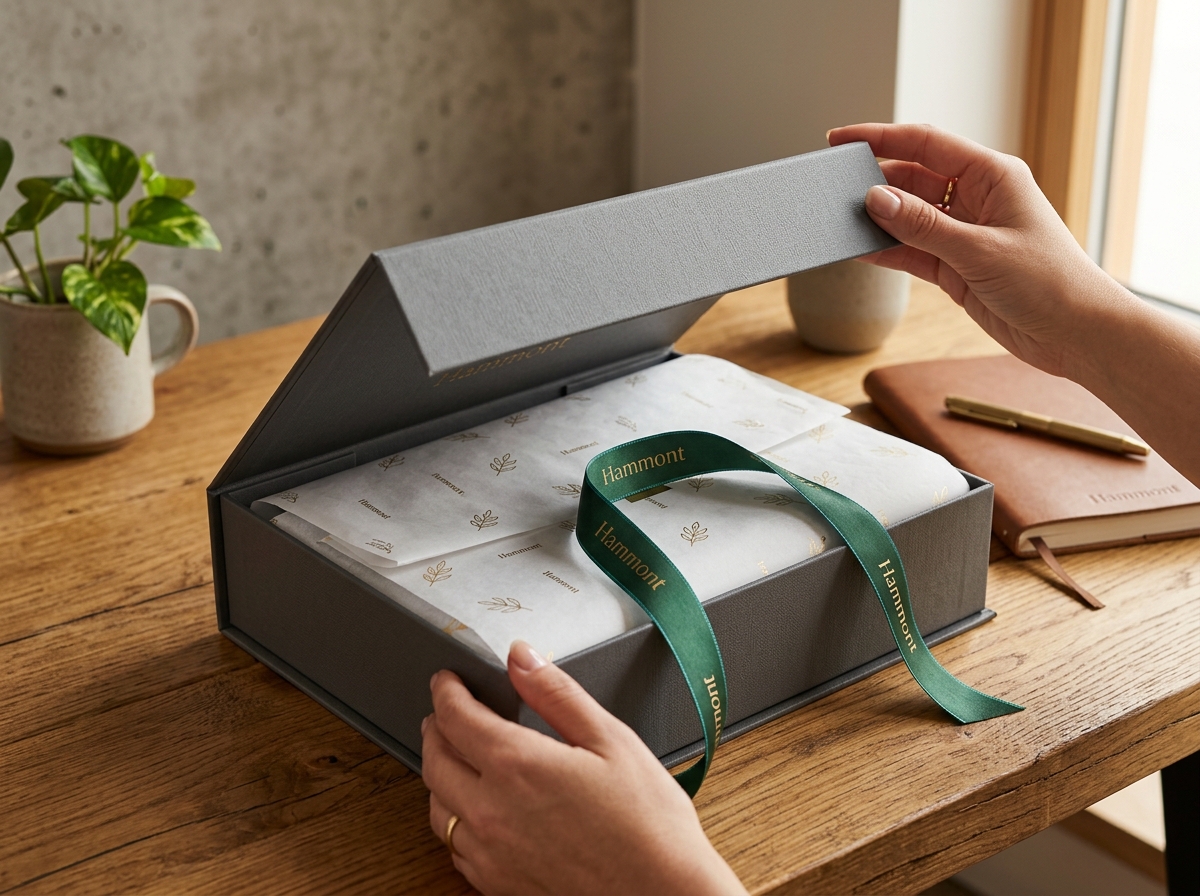
Here's where many corporate gift programs overspend. Logo-heavy exterior packaging rarely drives shares—it looks like advertising. But a tasteful insert card inside the box, printed on heavy stock with a handwritten-style message and subtle logo, gets photographed and saved.
The principle aligns with quiet branding strategies: visible branding on the outside signals "this is marketing," while discovered branding inside the experience signals "this is a gift." The insert card serves as the brand anchor without overwhelming the aesthetic.
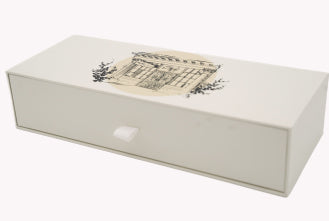
Magnetic closures, ribbon pulls, and nested compartments aren't just decorative—they're interaction design. Each functional detail creates a micro-moment of discovery. A box that requires two hands to open, with a satisfying magnetic snap, feels more valuable than a tuck-flap box, even when the material cost difference is under $0.80 per unit.
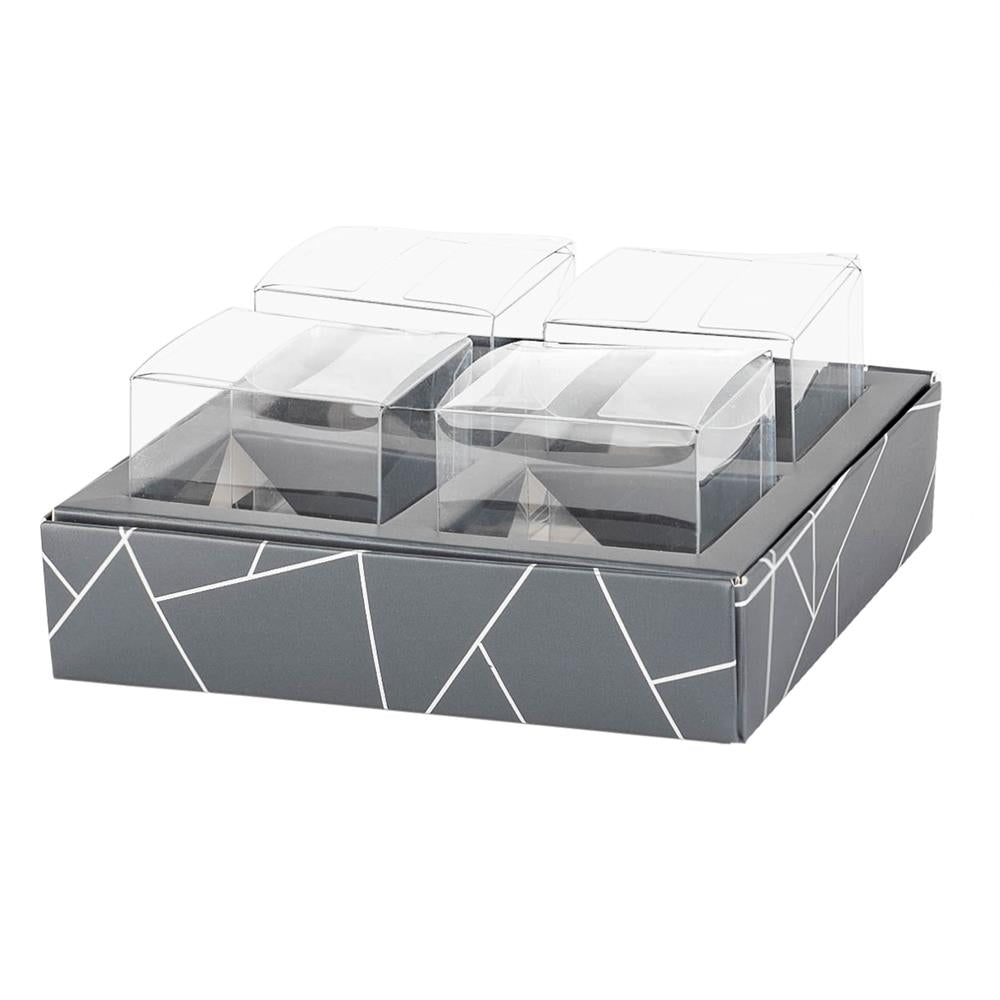
Nested packaging, like a cube tuck-top box inside a larger presentation box, adds both visual interest and reusability—recipients keep the outer box for storage, extending your brand presence beyond the initial unboxing.
Eco-conscious packaging doesn't just appeal to values-driven recipients—it photographs well. Unbleached kraft, recycled paper fill, and reusable fabric ribbons communicate thoughtfulness in a way that plastic clamshells and foam inserts cannot. 80% of US consumers report being more likely to buy products in eco-friendly packaging, and this preference extends to corporate gifting contexts.
Sustainability signals work best when they're visible but not performative. A small "made from recycled materials" stamp on the box interior, or a QR code linking to your packaging sustainability story, adds credibility without feeling preachy.
Several common corporate gift packaging upgrades consume budget without measurably improving the unboxing experience or driving social sharing.
Full-color exterior printing: Unless your brand has iconic visual equity (think Tiffany blue), full CMYK printing on the outer box adds $1.50–$3.00 per unit without improving shareability. Recipients photograph what's inside, not the shipping carton.
Excessive fill material: Shredded paper, confetti, or decorative filler looks abundant in the box but photographs as clutter. It also creates disposal friction—recipients have to clean up before they can enjoy the gift. Fitted inserts or molded pulp trays keep items secure and photograph cleanly.
Oversized packaging: Bigger boxes don't signal bigger value when the gift rattles around inside. Right-sized packaging with minimal void space feels more intentional and ships more cost-effectively. For wine bottle presentations, a fitted two-bottle box reads as more premium than a generic large box with foam inserts.
Novelty closures: Wax seals, string-and-button closures, and origami-style folds photograph well on Pinterest but frustrate recipients in practice. If the packaging requires instructions to open, it's adding friction, not delight.
The corporate gift unboxing experience you can deliver depends heavily on when you order. Custom printing, branded tissue, and specialty finishes require lead times that conflict with last-minute December gifting.
For holiday programs, ordering timelines for December delivery typically require finalizing packaging specs by mid-October for custom work, or early November for semi-custom options (stock boxes with custom inserts). Rush orders default to stock packaging, which limits your ability to create a differentiated unboxing experience.
If you're working within tight timelines, prioritize the insert card and ribbon—both can be customized with shorter lead times than box printing. A stock kraft box with a custom insert and premium ribbon still delivers 70–80% of the perceived value of a fully custom package, at a fraction of the cost and lead time.
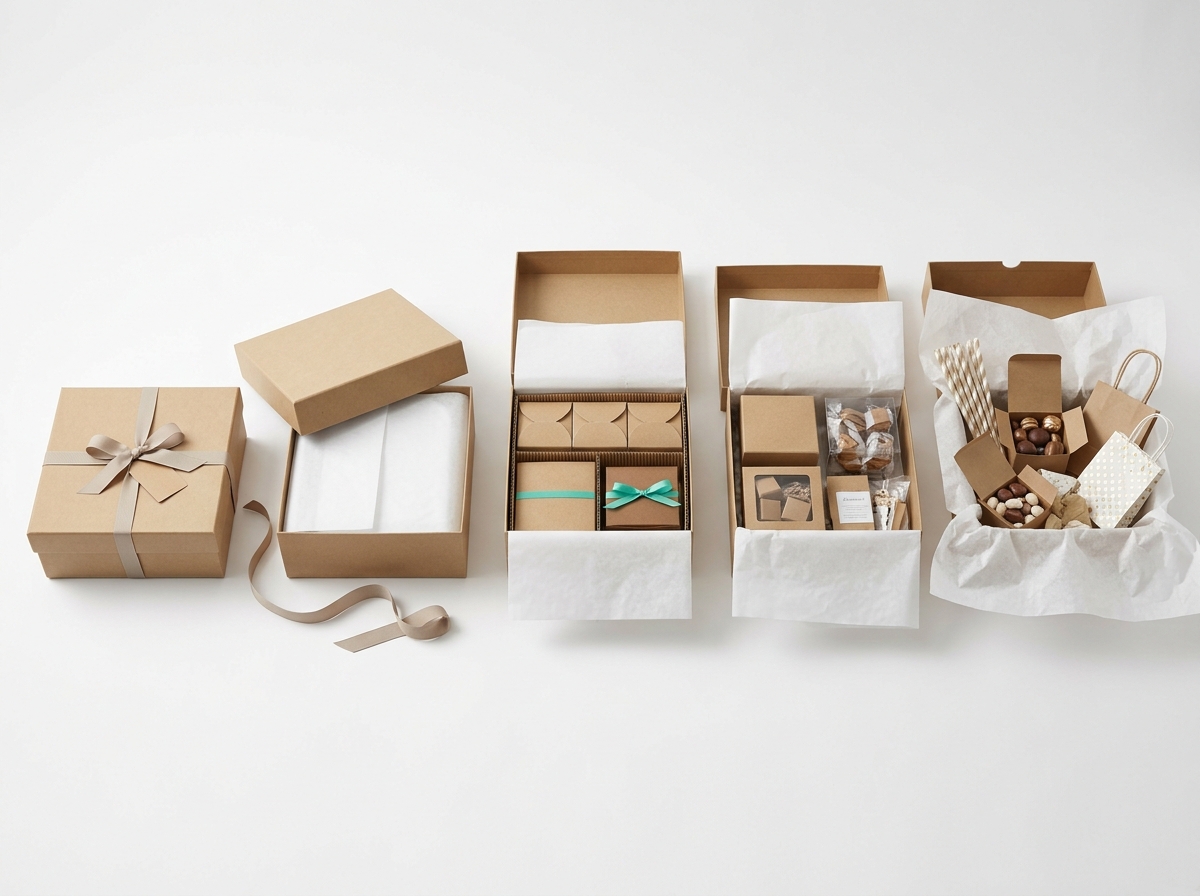
The optimal corporate gift unboxing experience varies by what's inside. A wine gift requires different structural considerations than a tech accessory or gourmet food assortment.
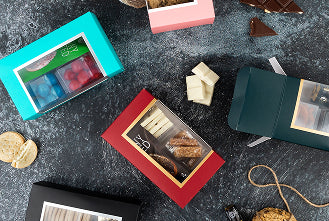
Food and beverage gifts: Transparency builds trust. Window boxes or partially visible packaging lets recipients see the contents without opening, which is particularly important for bakery and cookie gifts where visual appeal drives appetite. For wine, a fitted box with a hinged lid allows the bottle to be displayed without removing it entirely—ideal for office gift exchanges where the presentation matters as much as the contents.
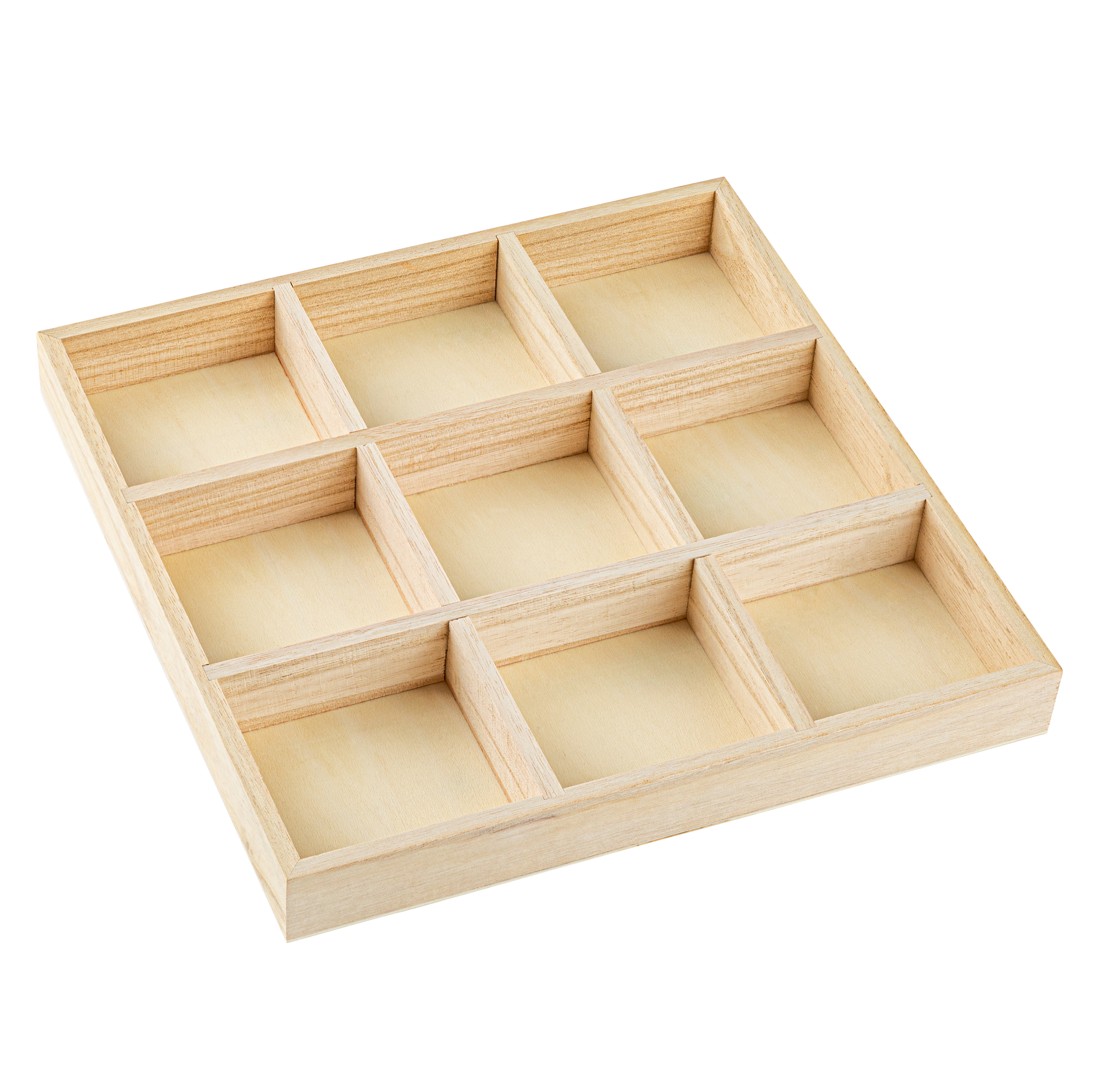
Multi-item curated gifts: Compartmentalization prevents the "gift basket jumble" effect. Individual items wrapped in tissue or placed in separate sections photograph better and feel more curated. A nested serving tray set works well as both packaging and part of the gift—the trays hold the items during unboxing, then become a functional keepsake.
Single high-value items: Minimalist packaging with maximum material quality. A single luxury item in a soft-touch box with a magnetic closure and silk ribbon needs no additional layering—the restraint itself signals value. Overpacking a high-end gift dilutes its perceived worth.
Unlike many brand investments, unboxing experience design generates measurable signals. Track these metrics to assess ROI:
Social media mentions: Set up alerts for your brand name plus "unboxing" or "gift" on Instagram, LinkedIn, and Twitter. Unboxing videos and posts have caught the attention of both the marketing industry and academia due to their potential to influence purchase intent. Count organic shares within 30 days of delivery.
Thank-you response rate: Compare acknowledgment rates between standard packaging and enhanced unboxing experiences. Gifts that generate emotional responses get acknowledged more frequently and more personally.
Repeat engagement: For annual gifting programs, track whether recipients engage with subsequent gifts more quickly or enthusiastically after a positive unboxing experience. First-year packaging investments often pay dividends in years two and three.
Sales cycle velocity: For client gifts tied to active deals, monitor whether prospects move through pipeline stages faster after receiving a thoughtfully packaged gift. The correlation isn't always direct, but patterns emerge over multiple quarters.
For corporate gift programs operating within defined budgets, allocate packaging spend using this hierarchy:
Tier 1 (30% of packaging budget): Box structure and material quality. This is your foundation—invest in rigid boxes or premium paperboard over flimsy folding cartons.
Tier 2 (25% of packaging budget): Insert card and branded tissue. These elements touch the recipient's hands and get photographed most frequently.
Tier 3 (20% of packaging budget): Closure mechanism and ribbon. Functional details that extend the unboxing duration and create interaction moments.
Tier 4 (15% of packaging budget): Interior compartmentalization or fitted inserts. Prevents product damage and improves presentation.
Tier 5 (10% of packaging budget): Exterior finishing (matte coating, spot UV, embossing). Only after tiers 1–4 are optimized.
This framework ensures you're investing in elements recipients actually interact with before adding decorative flourishes. For programs constrained by minimum order quantities, stock packaging with custom inserts (tiers 2–3) delivers better results than fully custom boxes that compromise on material quality to hit MOQs.
The corporate gift unboxing experience isn't just about aesthetics—it's a relationship signal. According to Promotional Products Association International, thoughtful packaging design directly influences how recipients perceive the relationship value behind the gift.
When packaging feels considered—when the box size matches the contents, when materials feel substantial, when layers unfold logically—it communicates that the sender invested time and thought, not just budget. Conversely, when packaging feels generic or excessive, it signals that the gift was a checkbox exercise.
This perception gap explains why two gifts of identical monetary value can generate vastly different relationship outcomes. The $75 gift in a $3 custom-printed box with layered tissue often outperforms the $85 gift in a $1 stock box, because the packaging itself is part of the gift—it's the first chapter of the experience.
For corporate gifts, allocate 8–15% of total gift value to packaging. A $100 gift should include $8–15 in packaging costs to create a memorable unboxing experience without compromising the gift budget. Executive-level gifts at the higher end of this range; volume employee gifts at the lower end. This ratio ensures packaging enhances rather than overshadows the contents.
Shareable corporate gift packaging includes layered reveals that create natural pause points for photography, premium textures like matte finishes and grosgrain ribbon, branded inserts rather than logo-heavy exteriors, and unexpected functional details like magnetic closures. Research shows that unique or gift-like packaging drives social sharing, with recipients photographing the unboxing process when packaging feels special rather than transactional.
Yes, with strategic customization. Stock boxes upgraded with custom insert cards, branded tissue paper, and premium ribbon deliver 70–80% of the perceived value of fully custom packaging at significantly lower cost and shorter lead times. Focus on the elements recipients touch and see first—the insert card and first layer of tissue—rather than investing in custom exterior printing that adds cost without improving the experience.
For custom-printed packaging with branded elements, finalize specifications by mid-October for December delivery. Semi-custom options using stock boxes with custom inserts require orders by early November. Rush timelines force compromises in material quality and customization options, so earlier planning enables better unboxing experiences. Standard stock packaging can typically ship within 1–2 weeks if customization isn't required.
No—when executed well, sustainable materials enhance perceived value. Unbleached kraft, recycled paper, and reusable fabric ribbons communicate thoughtfulness and align with recipient values, particularly as 80% of consumers prefer eco-friendly packaging. The key is material quality: premium sustainable packaging (thick kraft, smooth recycled paper) outperforms cheap conventional packaging (thin glossy cardboard, plastic ribbon) in both tactile appeal and social shareability.