Cart
0
You may also like


Book a call with our development team to get started.



Apply online and access wholesale pricing.

Choosing between poly mailers and boxes for shipping isn't just about protecting your product—it's about balancing cost, customer perception, and operational efficiency. For small businesses shipping apparel, subscription boxes, or lightweight goods, this decision directly impacts your bottom line. Bigger packages take up more space in delivery vehicles, limiting the total number of packages that can be shipped, and carriers charge more for larger packages. Understanding dimensional weight pricing, material costs, and sustainability considerations helps you select packaging that works for your product category and budget.
This guide breaks down the practical trade-offs between poly mailers and corrugated boxes, with specific attention to cost per unit, dimensional weight impact, and when each format makes sense. Whether you're launching a clothing line or optimizing fulfillment for an established brand, the right packaging choice can save you thousands annually while maintaining the unboxing experience your customers expect.
Dimensional weight (often called DIM weight) is the primary reason many businesses underestimate their true shipping costs. The shipping fee is based upon the dimensional weight or the actual weight, whichever is greater. This pricing model means that a lightweight t-shirt shipped in an oversized box can cost as much to ship as a heavier item in a compact package.
To calculate dimensional weight, multiply a package's length, width, and height, then divide by the carrier's DIM factor. Most carriers bill based on whichever is greater: the package's actual weight or its dimensional weight. For apparel brands, subscription services, and businesses shipping soft goods, this calculation often favors poly mailers—which conform to the product shape—over rigid boxes that include empty air space.
The financial impact adds up quickly. Even a one- or two-inch reduction in box dimensions can bring down the dimensional weight enough to significantly lower shipping costs. When a package's billable weight is driven by its size rather than its actual weight, the cost difference can be significant. For shippers handling hundreds or thousands of parcels each week, these extra dimensional shipping charges can snowball into thousands of dollars per month.
For example, a 12x10x4-inch corrugated box shipping a single hoodie might weigh only 8 ounces but bill at 3 pounds due to dimensional weight. The same hoodie in a 10x13-inch poly mailer typically bills at its actual weight, saving $2-4 per shipment depending on your carrier contract. Over 500 monthly orders, that's $1,000-2,000 in annual savings from packaging choice alone.
Material cost is the most visible line item in your packaging budget, but comparing poly mailers to boxes requires looking beyond the sticker price. Stock corrugated boxes in common e-commerce sizes (like 8x6x4 inches or 12x9x3 inches) typically range from $0.40 to $1.20 per unit when purchased in quantities of 500-1,000. Custom printed boxes start around $0.80 and can exceed $2.50 per unit depending on size, board grade, and print complexity.
Poly mailers offer a lower entry point. Standard stock mailers in sizes from 6x9 inches to 14x19 inches cost between $0.08 and $0.35 per unit at similar order volumes. Custom-printed poly mailers with your logo and brand colors typically run $0.15 to $0.50 each, still significantly below box pricing.
However, cost per unit doesn't tell the complete story. Boxes require additional void fill (bubble wrap, kraft paper, or air pillows) to secure products and prevent shifting during transit, adding $0.10 to $0.30 per shipment. Poly mailers eliminate most void fill needs for soft goods, since the flexible material conforms around the product. When you factor in these secondary materials, the true cost gap between formats widens considerably.
Storage and warehouse efficiency also influence total cost. A pallet of 1,000 flat poly mailers occupies roughly one-third the cubic space of an equivalent quantity of collapsed corrugated boxes. For businesses operating out of shared warehouse space or home-based fulfillment centers, this density advantage translates to lower rent per unit stored and faster picking during high-volume periods like Black Friday.
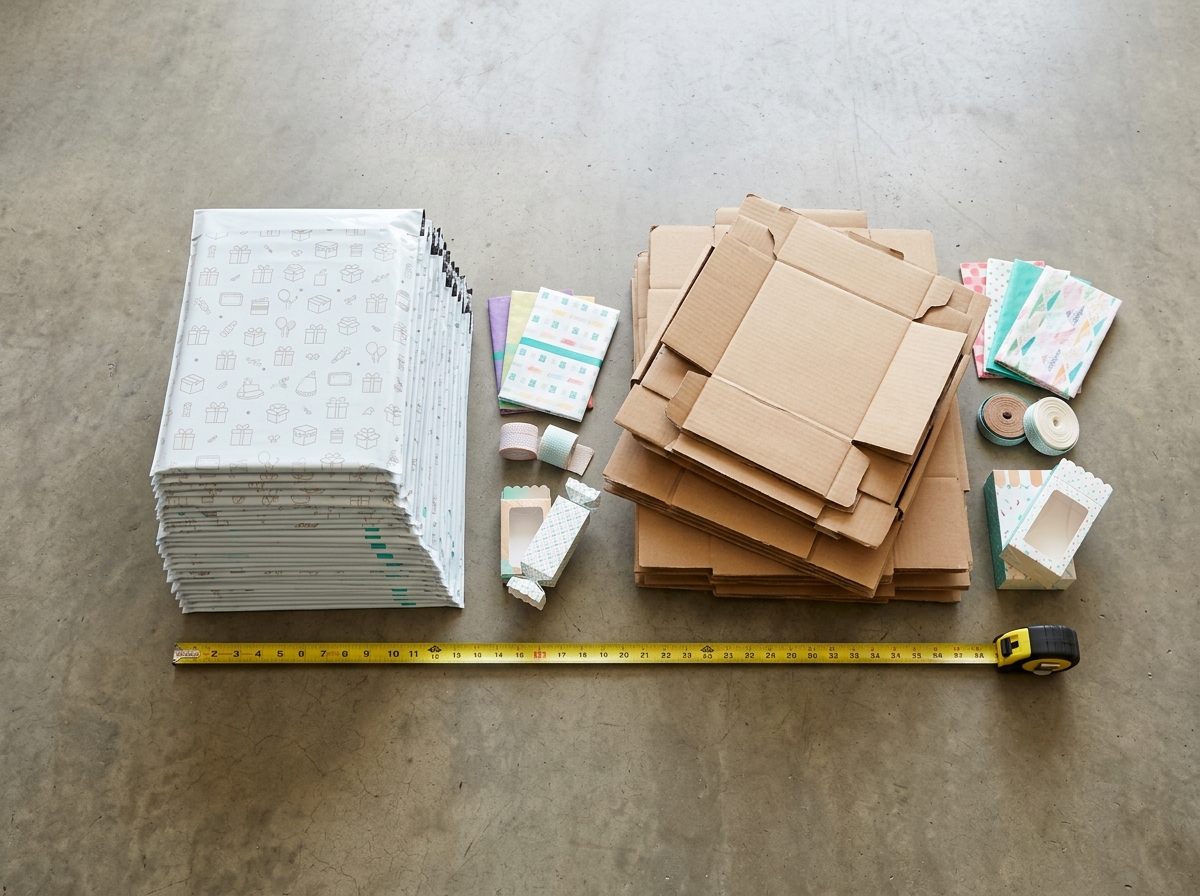
The right packaging format depends primarily on what you're shipping and how much protection it requires during transit. Poly mailers excel for soft, non-fragile items that can withstand compression without damage. Apparel (t-shirts, leggings, socks), textiles (towels, bedding), and lightweight accessories (scarves, hats, bags) are ideal candidates. Subscription boxes containing paper goods, beauty samples, or flat-packed items also perform well in poly mailers.
Corrugated boxes become necessary when products require rigid protection or have specific dimensional requirements. Glassware, ceramics, electronics, and hard goods need the crush resistance that corrugated construction provides. Multi-item orders with varying shapes benefit from the internal organization that boxes allow. Products with premium positioning—luxury goods, high-ticket items, or gift-oriented purchases—often warrant box packaging to support brand perception, even when physical protection needs are minimal.
Consider a skincare brand shipping three 4-ounce bottles. A box allows you to create compartments that prevent bottles from colliding, include branded tissue paper, and present a structured unboxing moment. The same order in a poly mailer arrives safely but lacks the premium presentation that justifies a $75 retail price point. For that brand, the extra $0.80 per box is a marketing investment, not just a packaging cost.
Conversely, an activewear brand shipping leggings has no structural protection needs. A poly mailer protects against moisture, keeps the product clean, and delivers at one-third the cost of a box. The savings can be redirected to custom printing on the mailer itself, creating brand visibility without box-level expense.
Environmental impact increasingly influences packaging decisions, both for brand values and customer expectations. The sustainability comparison between poly mailers and boxes isn't straightforward—each format has distinct environmental trade-offs that depend on material sourcing, end-of-life infrastructure, and actual recycling rates in your market.
Poly mailers are typically made from low-density polyethylene (LDPE), a plastic that offers useful properties like durability and water resistance but also raises concerns about plastic waste. LDPE is technically recyclable and is often categorized as plastic #4. However, recycling curbside rules vary widely by municipality. Standard single-layer poly mailers can be recycled at many store drop-off locations that accept soft plastics.
Corrugated boxes have a more established recycling infrastructure. Most municipalities accept cardboard in curbside recycling programs, and raw materials account for 70–80% of operating costs, with kraft paper (liner and fluting medium) as the primary input in box manufacturing, much of which comes from recycled content. However, boxes often include plastic tape, printed labels, and void fill materials that complicate the recycling process and require separation by the end user.
Recycled-content options exist for both formats. Recycled poly mailers made with high post-consumer content minimize virgin plastic use and close the recycling loop. Reusable designs, like dual-seal strips, cut waste and extend each mailer's lifespan. These eco-friendly poly mailers typically cost 15-25% more than standard versions but appeal to environmentally conscious customer bases.
Customer perception varies by product category and demographic. A 2023 consumer study found that sustainability matters more for certain product types—beauty, wellness, and children's products see higher expectations for eco-friendly packaging than fast fashion or promotional items. If your target customer prioritizes sustainability, investing in recycled-content materials or providing clear recycling instructions can differentiate your brand regardless of whether you choose mailers or boxes.
When evaluating eco-friendly packaging options, consider the full lifecycle. A poly mailer that eliminates void fill and reduces dimensional weight may have a lower total carbon footprint than a box requiring additional materials and larger transport space, even if the box itself is made from recycled paper. The most sustainable choice is the one that uses the least total material while adequately protecting your product.
Packaging choice directly affects how quickly your team can process orders, especially during high-volume periods. Poly mailers offer significant speed advantages in pick-pack-ship workflows. They arrive flat, require no assembly, and can be packed in a single motion—insert product, peel adhesive strip, seal. An experienced packer can process 40-60 poly mailer orders per hour versus 25-35 box orders in the same timeframe.
Boxes require folding, taping (typically two or three tape passes for secure closure), and void fill placement. Each additional step adds 15-30 seconds per order. For a business shipping 200 orders daily, switching from boxes to mailers where appropriate can reduce labor costs by 4-6 hours per day—a meaningful saving for small teams or seasonal fulfillment spikes.
Inventory management also differs between formats. Boxes are typically stocked in multiple sizes to accommodate varying order sizes, requiring more SKU management and storage planning. A business might stock five box sizes (small, medium, large, plus specialty sizes for specific products) plus multiple void fill options. The same business using poly mailers might maintain three sizes that cover 90% of orders, simplifying purchasing decisions and reducing the risk of running out of the "right" size during a promotional period.
Returns processing favors poly mailers for soft goods. Many poly mailers include a second adhesive strip that allows customers to reuse the same packaging for returns, eliminating the need to provide separate return materials. This feature reduces your reverse logistics costs and improves the customer return experience—a meaningful advantage given that apparel and soft goods categories often see 20-30% return rates in e-commerce.
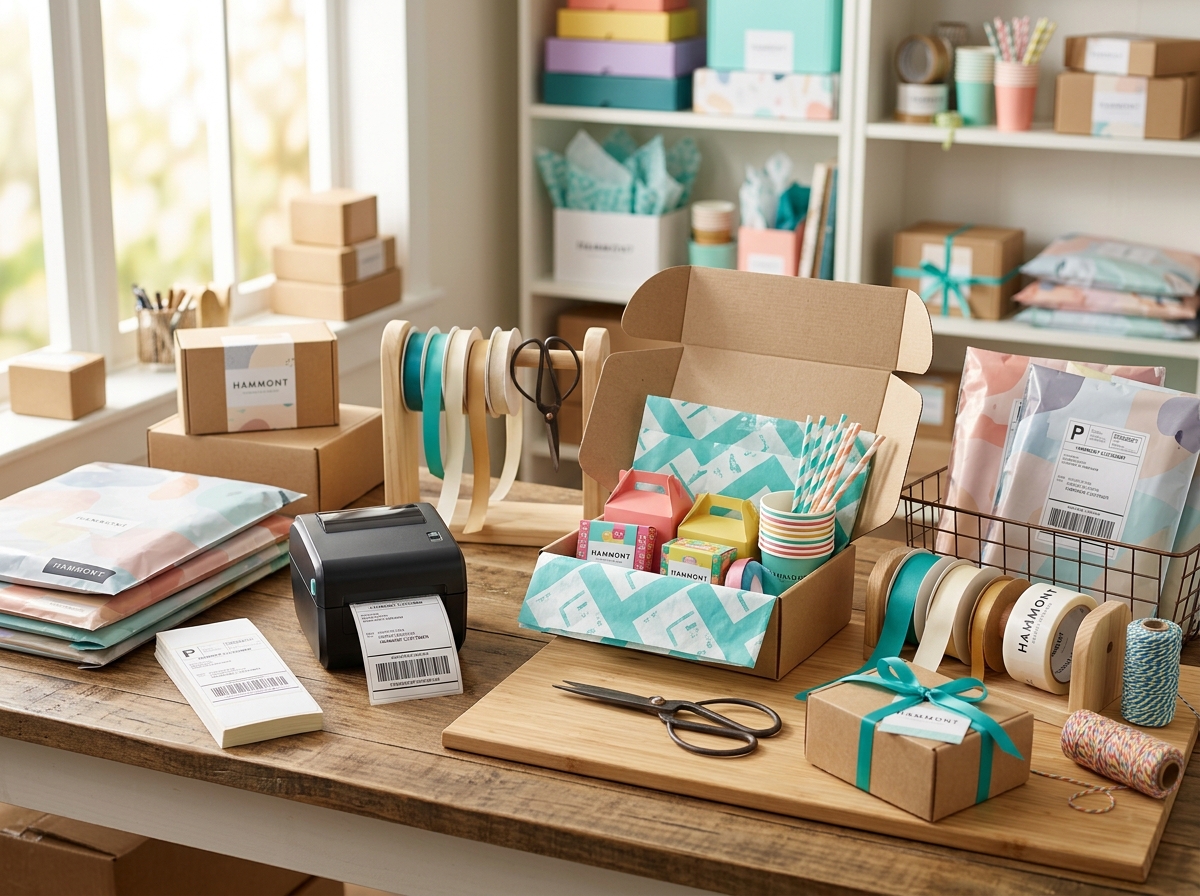
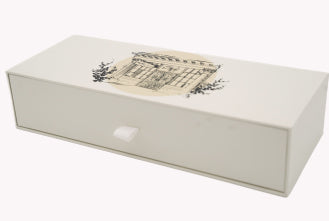
Packaging is a physical touchpoint with your customer, and the format you choose shapes their first impression of your product. Boxes provide more surface area for branding and create a structured unboxing moment. Opening a box involves lifting a lid, unfolding tissue, and discovering the product—a sequence that feels more ceremonial than tearing open a mailer.
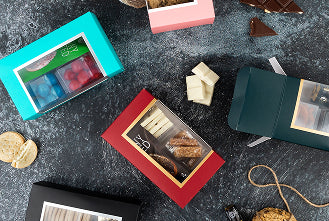
For premium brands, gift-oriented products, or businesses where unboxing content drives social media engagement, boxes justify their higher cost. A well-designed kraft gift box with custom printing, tissue paper, and a thank-you card creates a shareable moment that extends your marketing reach beyond the initial purchase.
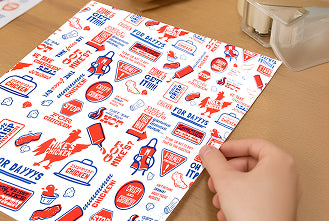
However, poly mailers have evolved beyond generic plastic envelopes. Custom-printed mailers with bold graphics, brand colors, and messaging create visual impact at a fraction of box costs. A mailer printed in your brand's signature color with a witty tagline or pattern becomes part of the product experience. Some direct-to-consumer brands have built recognizable packaging identities entirely around distinctive poly mailer designs.
The key is aligning packaging investment with customer expectations for your product category. A $15 t-shirt doesn't require luxury packaging, but a $150 cashmere sweater might. A monthly subscription box benefits from the ritual of opening a structured package, while a restock order of basics can arrive efficiently in a mailer without disappointing the customer.
Consider where your product sits in the purchase journey. First-time customers and gift purchases warrant more presentation investment. Repeat orders and utilitarian products can shift to efficient formats without harming brand perception. Many successful brands use a tiered approach—boxes for new customer orders and gifts, mailers for repeat purchases and basics.
Most businesses don't need to choose exclusively between poly mailers and boxes. A strategic approach uses each format where it performs best, optimizing for product type, order value, and customer segment. An apparel brand might ship individual garments in mailers but switch to boxes for multi-item orders or when gift messaging is included. A subscription service might use mailers for standard monthly boxes but upgrade to rigid packaging for quarterly premium editions.
Order value thresholds provide a practical decision framework. Set a dollar amount (for example, $75 or $100) above which all orders ship in boxes with enhanced presentation materials. This approach concentrates your packaging investment on higher-value customers while controlling costs on smaller orders. The threshold should reflect your margin structure—products with 60%+ margins can support more packaging investment than those operating at 30% margins.
Seasonal variations also influence format choice. Holiday orders often warrant box packaging regardless of product type, since many purchases are gifts. The same customer ordering for personal use in February might prefer faster, lower-cost delivery in a mailer. Building seasonal packaging strategies into your material selection process ensures you have appropriate options available without over-investing in formats that sit unused for nine months.
Testing different approaches with customer segments helps identify preferences. Try shipping a portion of orders in each format and monitor feedback, return rates, and social media mentions. Some businesses discover that customers don't notice or care about packaging format as long as products arrive undamaged, while others find that packaging significantly influences repeat purchase rates and referrals.
Selecting between poly mailers and boxes requires evaluating your specific business context rather than following a universal rule. Start by categorizing your products into three groups: definitely needs boxes (fragile, rigid, or premium items), definitely works in mailers (soft goods, non-fragile, low-profile items), and could work in either (items where protection needs are minimal but presentation matters).
For the "could work in either" category, calculate the all-in cost difference. Include material cost, void fill, labor time, dimensional weight impact, and storage efficiency. If boxes cost $1.50 more per order all-in, determine whether that investment generates at least $1.50 in additional value through improved customer experience, reduced damage claims, or enhanced brand perception. If the value doesn't justify the cost, default to mailers.
Consider your growth stage and operational capacity. Early-stage businesses benefit from the simplicity and speed of poly mailers while building volume and refining product-market fit. As you scale and margins improve, you can introduce box packaging for specific use cases without overhauling your entire fulfillment process. Understanding minimum order quantities for custom packaging helps you time these transitions appropriately.
Supplier relationships and lead times also factor into the decision. Poly mailers typically have shorter lead times and lower MOQs for custom printing, making them more accessible for businesses testing new designs or operating with limited cash flow. Boxes often require higher minimum orders and longer production windows, particularly for custom sizes or multi-color printing.
Finally, stay flexible as your business evolves. The right packaging choice today might not be optimal in six months as your product mix, customer base, or fulfillment capabilities change. Review packaging performance quarterly—track cost per shipment, damage rates, customer feedback, and operational efficiency—and adjust your strategy based on actual data rather than assumptions.
Yes, poly mailers are typically cheaper than boxes when you account for all costs. Material costs for poly mailers range from $0.08 to $0.50 per unit compared to $0.40 to $2.50 for boxes. Poly mailers also reduce dimensional weight charges, eliminate most void fill expenses, require less labor to pack, and take up less warehouse space. For soft goods and non-fragile items, total cost savings often reach $1-3 per shipment compared to box packaging.
Customer preference depends on product type and purchase context. Premium products, gifts, and first-time purchases benefit from box packaging that creates a memorable unboxing experience. Repeat orders, basics, and utilitarian products perform well in poly mailers without negative customer feedback. Most customers prioritize product condition over packaging format—as long as items arrive undamaged and the packaging aligns with product positioning, satisfaction remains high.
Poly mailers can be recycled, but the infrastructure differs from cardboard. Most poly mailers are made from LDPE (plastic #4), which is accepted at store drop-off locations that collect plastic film and bags, though curbside recycling programs vary by municipality. Cardboard boxes have more widespread curbside recycling acceptance. Recycled-content poly mailers and boxes are both available for businesses prioritizing sustainability, typically at a 15-25% cost premium over standard versions.
Avoid poly mailers for fragile items (glassware, ceramics, electronics), rigid products that can puncture the material, items requiring specific dimensional stability, and products where crush damage would make them unsellable. Heavy items over 3-4 pounds also perform better in boxes due to material strength and handle requirements. Premium products with high price points often warrant box packaging for brand positioning, even if physical protection needs are minimal.
Dimensional weight pricing makes poly mailers significantly more cost-effective for lightweight products. Carriers charge based on whichever is greater—actual weight or dimensional weight (calculated by multiplying length × width × height, then dividing by a carrier-specific factor). Boxes include empty air space that increases dimensional weight, while poly mailers conform to product shape. For a typical apparel item, this difference can add $2-4 per shipment when using boxes versus mailers, creating substantial savings at volume.
Choosing between poly mailers and boxes ultimately comes down to matching packaging format to your specific product needs, customer expectations, and business economics. For many small businesses, a strategic mix of both formats—using each where it performs best—delivers the optimal balance of cost efficiency, product protection, and brand presentation. As you refine your custom packaging strategy, focus on measurable outcomes: cost per shipment, damage rates, customer feedback, and operational efficiency. The right packaging choice is the one that protects your product, supports your brand, and improves your bottom line.