Cart
0
You may also like


Book a call with our development team to get started.



Apply online and access wholesale pricing.

The unboxing experience small business owners create isn't just about protecting products during shipping—it's a strategic touchpoint that shapes customer perception, drives social sharing, and influences whether someone orders again. To preserve long-term and sustained consumer loyalty, retailers must continually improve the customer experiences, and for e-commerce brands, that experience begins the moment a package arrives.
This guide walks you through a step-by-step framework for designing an unboxing experience that builds loyalty, from choosing the right outer mailer to crafting inserts that prompt repeat purchases. Whether you're shipping handmade jewelry or wholesale coffee, these principles apply to any custom packaging strategy for small businesses.
Before diving into the how, it's worth understanding the why. Brands understand this emotional response and capitalize on it—not just to garner attention from influencers on social media, but to engage with consumers on a more intimate level that drives repeat purchasing behaviors. The physical act of opening a package engages multiple senses—tactile, visual, even auditory—and creates a memorable moment that digital interactions can't replicate.
The numbers back this up. Over 58% of Millennials (aged 25-38) have watched an unboxing video, and almost 80% of consumers from Generation Z (aged 24 and under) have engaged with this content, according to research from Smithers. And 28% claimed to have shared an image or video of a product on social media prior to opening it. Each share extends your brand reach at zero acquisition cost.
Beyond social media metrics, the unboxing experience directly impacts how customers perceive your brand's quality and attention to detail. A thoughtfully designed package signals that you care about every aspect of the customer journey, not just the product itself. That perception translates into higher repurchase rates and stronger word-of-mouth referrals.
An effective unboxing experience unfolds in layers, each serving a distinct purpose in the emotional journey. Think of it as a narrative with four chapters: anticipation, discovery, product reveal, and post-purchase engagement.
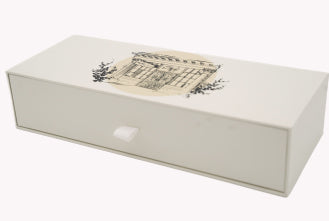
Your outer shipping box or mailer is the first physical touchpoint. It sets expectations before the customer even opens it. For small businesses working within budget constraints, you don't need full-color custom printing on corrugated boxes to make an impact. Simple branded touches work: a logo stamp on kraft paper, a sticker sealing the flap, or custom packing tape.
Consider the opening mechanism itself. They ultimately chose glassine, a 100% fiber-based material that resembles parchment or waxed paper, "because it makes this crackly, crinkly, exciting sound—almost like you're rustling through packages on Christmas morning", as one beauty brand discovered when working with packaging designers. Sound matters. Frustration-free opening mechanisms matter more.
If you're shipping products that fit standard dimensions, a white holder for 12 oz cans or similar protective insert inside the outer box adds structure and prevents shifting during transit—a small detail that prevents the disappointment of receiving a damaged product.
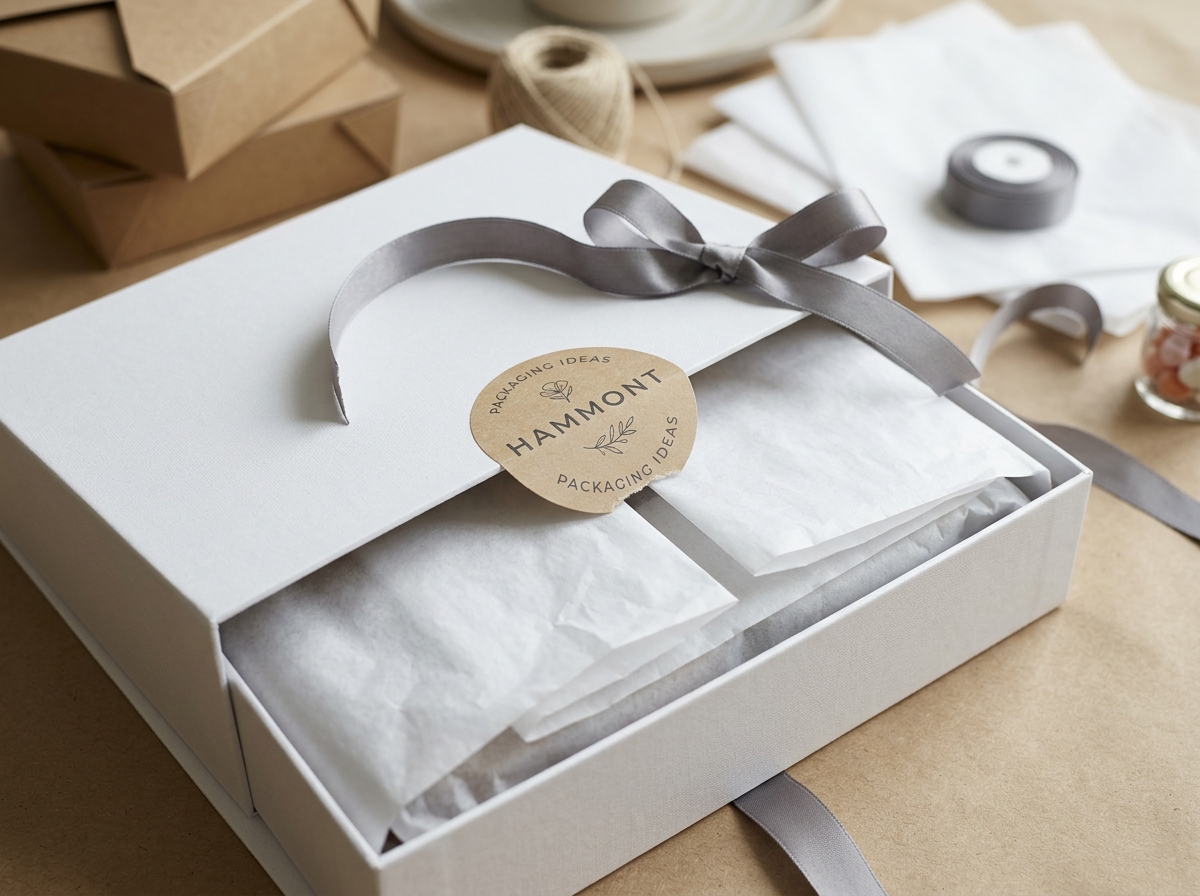
Once the outer box is open, what does the customer see? This is where tissue paper, shredded fill, or custom-printed liners come into play. The goal is to create a moment of anticipation—a brief pause before the product itself is revealed.
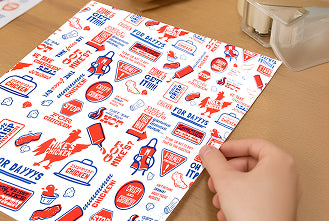
Tissue paper remains one of the most cost-effective ways to add perceived value. A single sheet of colored or printed tissue, folded neatly over the product, transforms a transactional shipment into a gift-like experience. For businesses with higher order values, consider layering: tissue first, then a belly band or ribbon, then a branded sticker seal.
Void fill serves a dual purpose—protection and presentation. Choose materials that align with your brand values. If sustainability is part of your story, opt for recycled paper shreds or biodegradable packing peanuts rather than plastic bubble wrap. Many customers now expect eco-conscious choices, and if your brand claims to be environmentally sustainable and conscientious only to package your products with lots of unnecessary filler material that's harmful to the environment, then you're certainly going to be called out for this oversight by someone on social media.
For more guidance on balancing sustainability with budget, see our post on eco-friendly packaging options that don't break the budget.
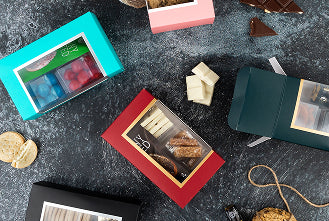
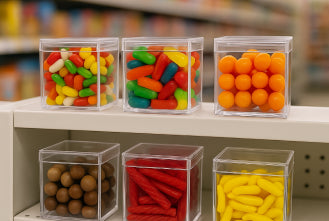
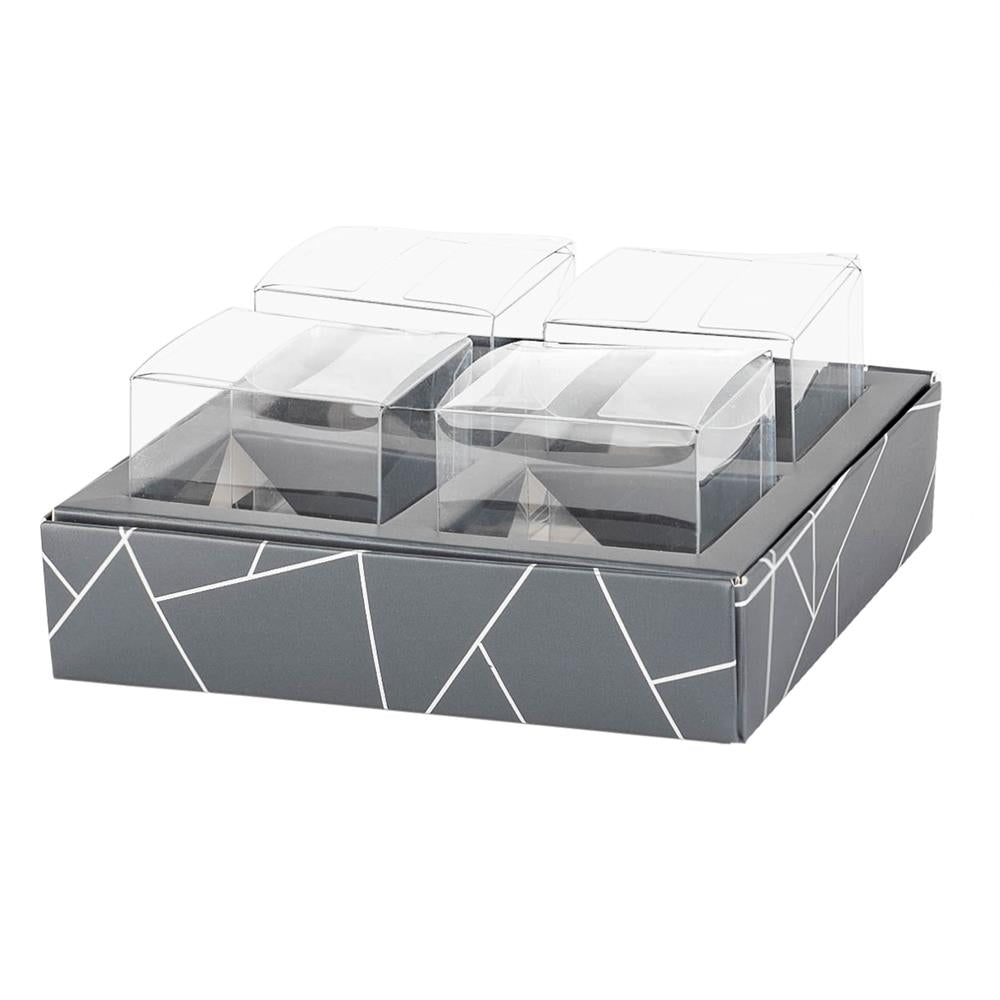
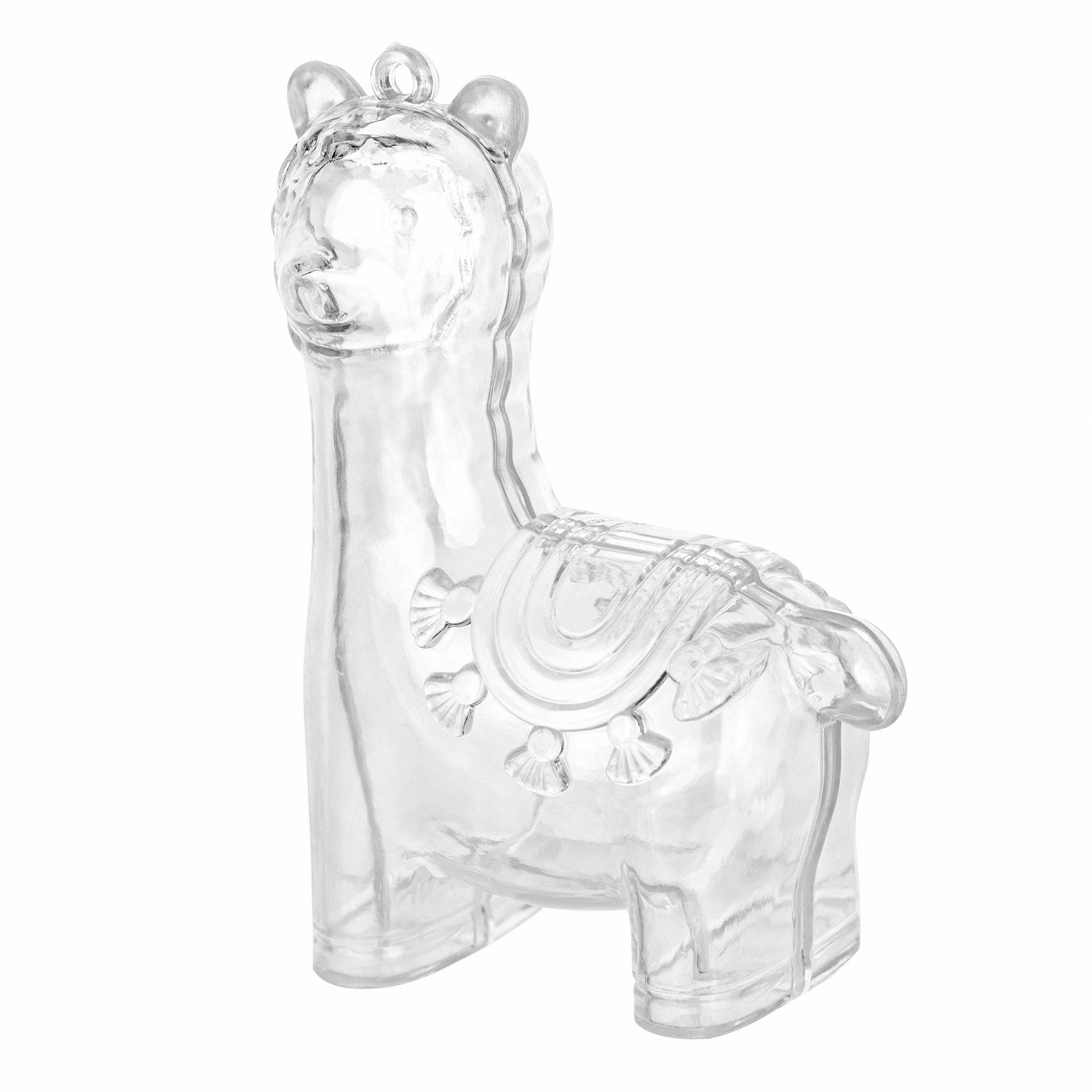
The product itself should be the hero of the unboxing experience, but how it's presented matters. If you're shipping items that benefit from individual wrapping—like candles, soaps, or baked goods—a clear acrylic box showcases the product while protecting it. Transparency builds trust and creates an Instagram-worthy moment.
For products that don't require individual boxes, consider how they're oriented within the package. Is the label facing up? Is the product centered? These micro-details signal care and professionalism.
One packaging director noted, "I'm thinking about the way that a YouTuber, or the way that a customer, would unbox it when we're in the design process, because we want to have that big 'aha' or 'wow' moment". Design with the camera in mind, even if most customers won't film their unboxing. The principles that make a package photogenic—clean lines, balanced composition, intentional color contrast—also make it feel premium in person.
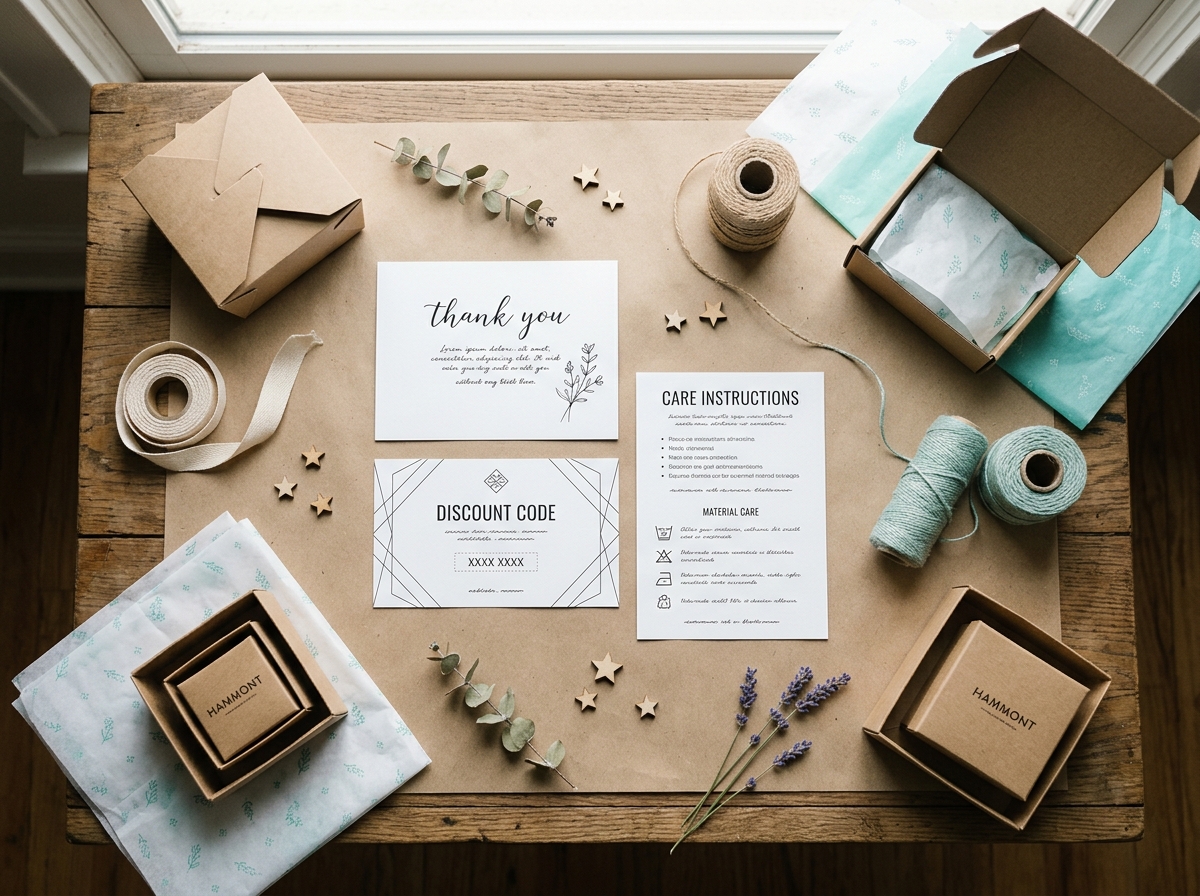
The final layer is often overlooked but critically important for driving repeat purchases: the packaging insert. This can be a thank-you card, a product care guide, a discount code for the next order, or an invitation to join your email list or loyalty program.
Keep the message concise and the design on-brand. A handwritten note (or a font that mimics handwriting) adds a personal touch that feels increasingly rare in e-commerce. If you're including a discount code, make the offer clear and the expiration date prominent. Ambiguity kills conversion.
For businesses just starting with branded packaging, our guide to branded packaging on a budget covers cost-effective ways to create professional inserts using stickers, stamps, and printable templates.
Many brands now include explicit calls to action in their packaging: "Share your unboxing on Instagram! Tag us @brandname." While this can work, a more subtle approach often yields better results. Design packaging that people want to share because it's genuinely shareable, not because you asked.
What makes packaging shareable? According to industry analysis, several factors consistently appear in viral unboxing content: unexpected details (a hidden message inside a lid, a pattern revealed only when the box is fully opened), sensory elements (textures, scents, sounds), and brand consistency (colors and design language that match your digital presence).
People like sharing positive experiences that they've had. When customers unbox a product, they're taking the time and making the effort to showcase these products, often without prompting or sponsoring from the brand itself. Your job is to make that positive experience worth the effort to document.
If you do include social handles or hashtags, place them subtly—on the inside of a box lid, on the back of an insert card, or on a small branded sticker. Make them easy to find for customers who are already inclined to share, but don't let them dominate the visual experience.
Not every small business can afford custom-printed boxes with foil stamping and magnetic closures. The good news: you don't need them. The most effective unboxing experiences prioritize thoughtfulness over expense.
Start with the elements that have the highest perceived value relative to cost. Tissue paper, for example, costs pennies per sheet but dramatically elevates presentation. A simple thank-you card printed on quality cardstock costs less than 50 cents per order but creates a personal connection. A branded sticker sealing the package costs a few cents but reinforces brand recognition.
As your business grows and order volume increases, you can explore custom printing and more complex packaging structures. Understanding minimum order quantities for packaging helps you plan when to make that transition without overcommitting to inventory you can't use.
Even well-intentioned packaging can fall flat if it commits one of these common errors:
The right packaging materials make these mistakes easier to avoid. Our post on choosing packaging materials for your product walks through material selection based on product type, shipping method, and brand positioning.
How do you know if your unboxing experience is actually building loyalty? Track these metrics:
Repeat purchase rate: Compare the percentage of customers who order again before and after implementing unboxing improvements. A meaningful increase (even 5-10%) indicates your packaging is contributing to retention.
Social media mentions: Set up alerts for your brand name and product names on Instagram, TikTok, and Twitter. Count how many organic unboxing posts appear monthly. An increase in user-generated content signals that your packaging is shareworthy.
Customer feedback: Include a question about packaging in your post-purchase surveys. Ask specifically: "Did the packaging meet, exceed, or fall short of your expectations?" Qualitative responses often reveal opportunities for improvement.
Return rates: If products are arriving damaged less frequently after packaging improvements, your protective elements are working. Lower return rates reduce costs and improve customer satisfaction simultaneously.
Referral program participation: If your packaging includes an insert promoting referrals or loyalty programs, track redemption rates. Low engagement might indicate the offer isn't compelling or the insert isn't noticeable enough.
As order volume increases, maintaining a thoughtful unboxing experience requires systems and suppliers who can scale with you. When you're shipping 10 orders per week, hand-writing thank-you notes is feasible. At 100 orders per week, you need printed inserts and streamlined packing processes.
Plan for this transition by documenting your packing process early. Create a checklist or visual guide that shows exactly how each order should be assembled: which items go in which boxes, how tissue should be folded, where stickers should be placed. This documentation makes it easier to train team members or outsource fulfillment as you grow.
Consider investing in custom packaging when your monthly order volume reaches the point where MOQs make financial sense. Most custom box manufacturers require minimum orders of 500-1,000 units. If you're shipping 200+ orders per month, a three-month supply of custom boxes becomes cost-effective and ensures consistency.
An unboxing experience small business creates is the sequence of moments a customer has when opening a package, from the outer mailer to product reveal to any inserts or extras included. It encompasses visual design, tactile elements, protective packaging, and branded touchpoints that together shape how customers perceive your brand and product quality. A well-designed unboxing experience builds emotional connection and encourages repeat purchases.
Most small businesses allocate 5-10% of their product's retail price to packaging costs, including the outer box, interior materials, inserts, and branded elements. For a $50 product, that's $2.50 to $5.00 in packaging. Start with cost-effective elements like tissue paper and stickers (under $1 per order), then add custom printing or premium materials as order volume and margins allow. Prioritize elements that customers notice and value most.
Yes, particularly for online purchases where packaging is the first physical brand interaction. Research shows that over half of millennials and nearly 80% of Gen Z consumers have watched unboxing videos, and 28% share images of products before opening them. More importantly, thoughtful packaging signals quality and care, which directly influences whether customers order again and recommend your brand to others.
Shareable packaging typically includes unexpected details, strong visual contrast, brand consistency, and elements that engage multiple senses. Clean presentation, intentional color choices, and small surprises (like a hidden message or premium material) make customers want to photograph and share their experience. The key is designing packaging that feels special without explicitly asking for social media posts—authentic sharing happens when the experience genuinely delights.
Focus on high-impact, low-cost elements: quality tissue paper (10-25 cents per sheet), branded stickers for sealing (5-10 cents each), printed thank-you cards on cardstock (25-50 cents), and thoughtful product arrangement. Use kraft boxes and natural materials for an elevated look without custom printing. A gift box with ribbon adds perceived value at minimal cost. Consistency and attention to detail matter more than expensive materials.
The unboxing experience you design today shapes the customer relationships you build tomorrow. By approaching packaging as a strategic touchpoint rather than a logistical necessity, you create moments that drive loyalty, encourage social sharing, and differentiate your brand in crowded markets.
Start with the four-layer framework—outer mailer, interior presentation, product reveal, and insert—and refine each layer based on customer feedback and your brand's unique voice. Prioritize elements that align with your values, whether that's sustainability, luxury, playfulness, or simplicity. Test your packaging with real customers before committing to large orders, and measure the impact through repeat purchase rates and organic social mentions.
Remember that the best unboxing experiences feel effortless to the customer but are the result of intentional design decisions at every layer. Each detail, from the sound of tissue paper unfolding to the clarity of your thank-you message, contributes to the overall impression. When done well, packaging transforms a transaction into an experience worth repeating—and sharing.