Cart
0
You may also like

Book a call with our development team to get started.



Apply online and access wholesale pricing.

Choosing between cellophane bags for cookies and traditional bakery boxes isn't just about aesthetics—it's a decision that affects your cost per unit, presentation quality, and whether your cookies arrive intact. For home bakers preparing for a cookie exchange or small bakery owners calculating margins on a dozen-cookie order, the price difference is significant: cellophane bags typically run $0.05 to $0.08 per unit at wholesale quantities, while bakery boxes range from $0.50 to $0.70 for comparable sizes. But cost is only part of the equation. The right choice depends on where you're selling, how customers will transport the cookies, and what level of presentation your brand requires.
This guide breaks down the real-world trade-offs between cookie exchange packaging formats—covering material safety, sealing methods, use cases, and the hidden costs that don't appear on the price tag.
True cellophane bags are made from regenerated cellulose, a plant-based material derived from wood pulp. The FDA regulates cellophane for food contact under 21 CFR 177.1200, which specifies that cellophane may be safely used for packaging food when the base sheet and coatings use only approved substances. This regulatory framework ensures that bags marketed for cookies meet specific migration limits and purity standards.
Many products sold as "cellophane bags" in craft stores are actually BOPP (Biaxially Oriented Polypropylene), a synthetic plastic. If you're sourcing packaging for food, always verify that the bags carry a food-grade or FDA-approved designation. The material difference matters: genuine cellophane is biodegradable and breathable, which works well for dry baked goods like cookies, while BOPP offers superior moisture resistance but lacks the eco-friendly profile.
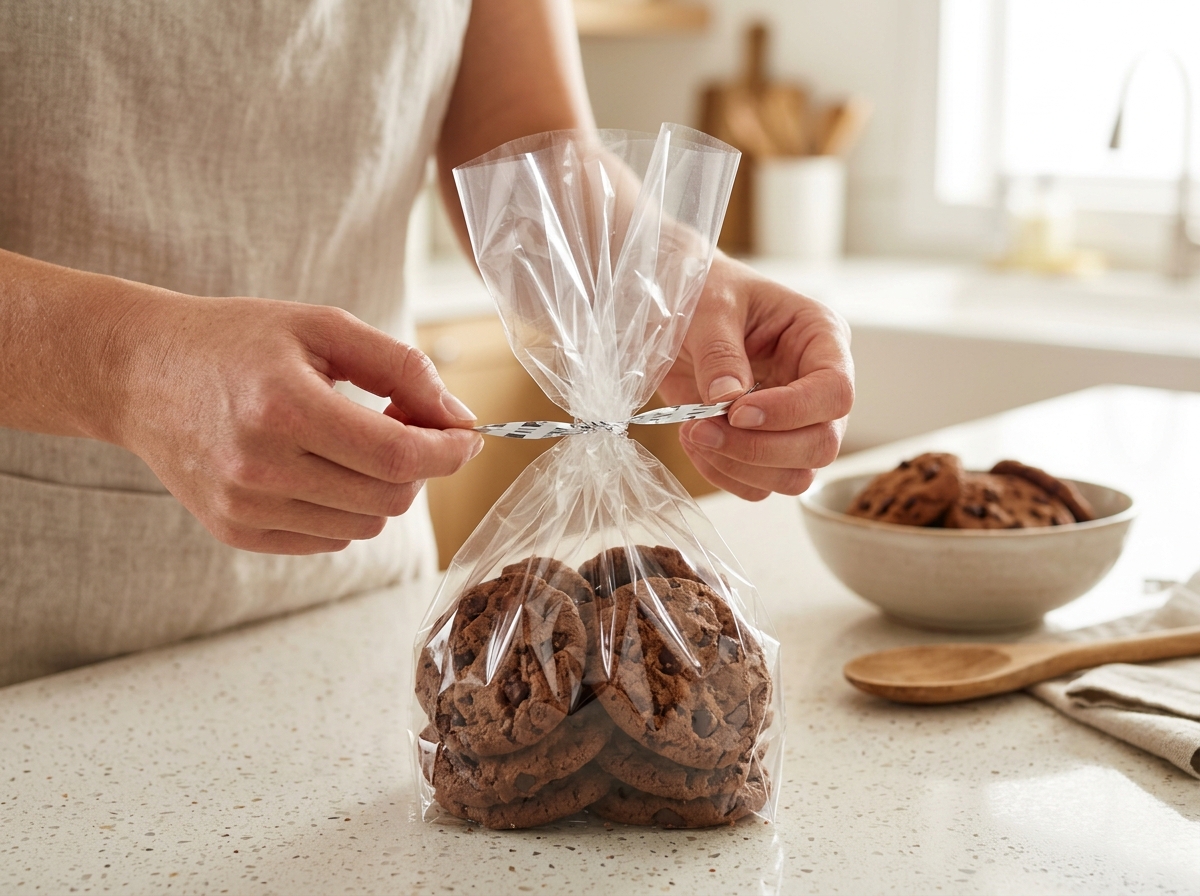
Cellophane bags excel at showcasing product. Their crystal-clear transparency lets customers see every detail—the golden edges of a snickerdoodle, the colorful sprinkles on a sugar cookie, the texture of a chocolate chip. For farmers market vendors or home bakers at a cookie swap, this visibility drives impulse purchases. A clear cellophane bag requires no window cutout—the entire package becomes the display.
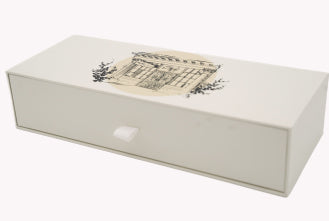
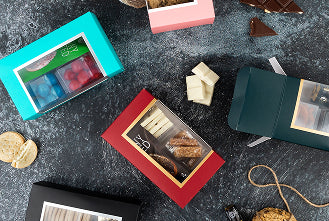
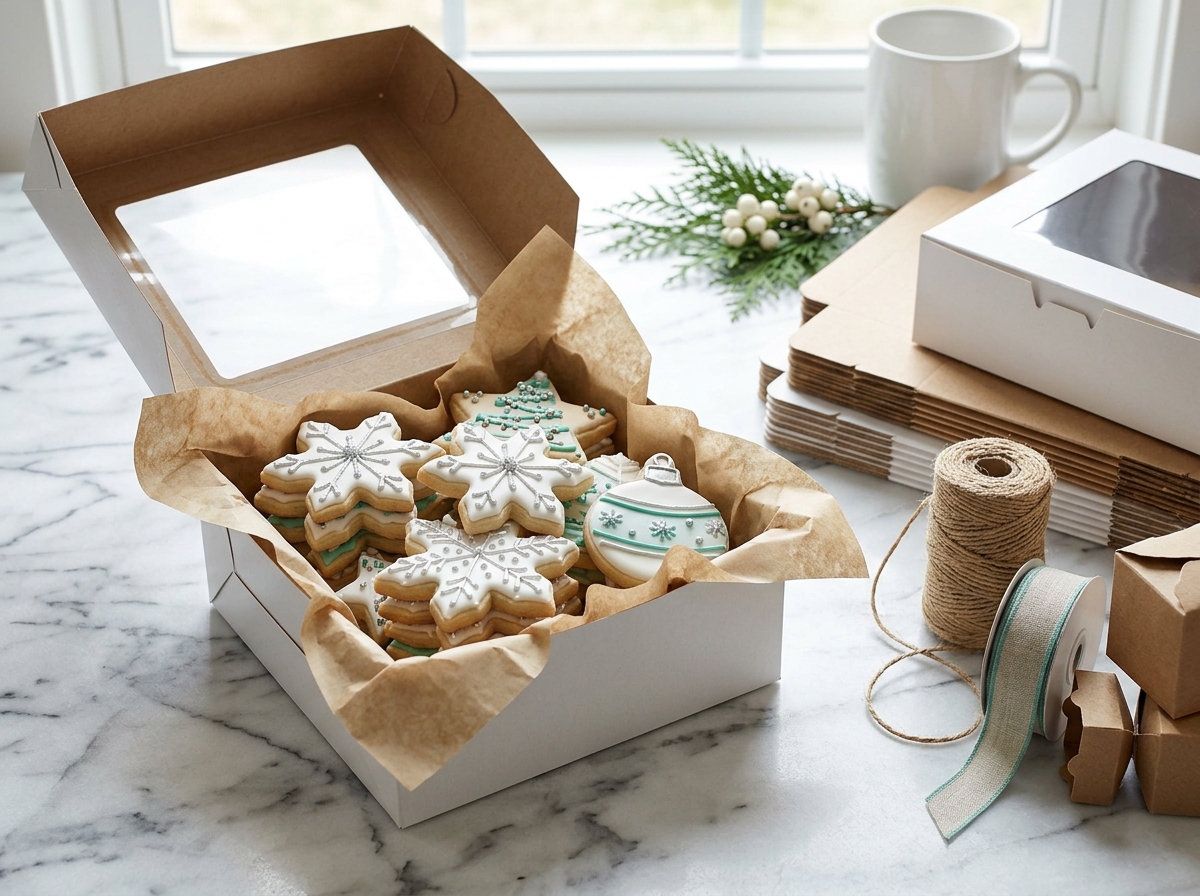
Bakery boxes—whether windowed kraft boxes or solid corrugated designs—offer structural protection that cellophane cannot match. The rigid walls prevent crushing during transport, a critical factor when cookies are stacked or when customers are carrying multiple purchases. For decorated cookies with delicate royal icing or layered cookies that shouldn't shift, boxes provide the necessary cushioning and separation.
The cost difference reflects this added protection. Plain stock bakery boxes generally run $0.15 to $0.90 per unit at case quantities, with windowed varieties and reinforced designs pushing the upper end of that range. For a baker packaging a dozen decorated cookies for a holiday gift, a $0.60 box represents 5-8% of the retail price—acceptable for a premium presentation, but significant when multiplied across hundreds of units.
Boxes also communicate a different brand message. A window cookie box with a clean design and sturdy construction signals that the product inside is worth protecting. It positions cookies as a gift, not just a snack. This perception matters when pricing: customers expect to pay more for cookies in a box than for identical cookies in a bag, even when the product is unchanged.
Cellophane's low permeability to oils makes it suitable for most cookies, but uncoated cellulose can allow humid air to penetrate over time, potentially softening crisp cookies during extended display. Coated cellophane grades or BOPP alternatives address this issue but sacrifice some of the biodegradable advantage. Bakery boxes, especially those with grease-resistant coatings, maintain product integrity longer and prevent oil stains from appearing on the exterior—a concern for gift-quality packaging.
The $0.05 to $0.08 range for cellophane bags assumes you're buying case quantities—typically 100 to 500 units—from wholesale suppliers. At retail craft stores, individual bags often cost $0.15 to $0.25 each, erasing the cost advantage entirely. Similarly, bakery boxes at $0.50 to $0.70 reflect bulk purchasing; small-quantity orders can push costs to $1.00 or more per unit.
But the true cost includes closure materials and labor. Cellophane bags require twist ties, ribbons, or heat sealing—each adding $0.01 to $0.05 per unit in materials and 10 to 20 seconds in assembly time. Bakery boxes arrive flat and require folding, which takes 15 to 30 seconds per box depending on design complexity. For a home baker preparing 50 cookie packages, that's 12 to 25 minutes of additional labor. For a commercial bakery running hundreds of units daily, assembly time directly impacts labor costs and throughput.
Consider also the cost of product loss. A crushed cookie in a cellophane bag is a total loss—the packaging offers no protection against pressure. A cookie shifted inside a box might still be saleable if the box structure held. When calculating true cost per unit, factor in your expected breakage rate based on how customers will handle the product.
Farmers markets and outdoor events favor cellophane bags. Customers want to see what they're buying before committing, and the lower price point allows bakers to maintain competitive margins while offering attractive per-cookie pricing. A dozen cookies in a cellophane bag tied with raffia ribbon communicates "fresh, homemade, approachable"—exactly the brand message that resonates at a market stall.
Gift-giving contexts demand boxes. When cookies are intended as a hostess gift, corporate thank-you, or holiday exchange contribution, the packaging needs to convey thoughtfulness and care. A windowed bakery box with tissue paper inside and a coordinating ribbon signals that the giver invested time and attention. The box also protects cookies during car transport to the event—a practical consideration that cellophane cannot address.
Cookie exchange events present a hybrid scenario. Participants bring cookies to share, which requires packaging that's easy to open and allows others to sample. Cellophane bags work well here because they're simple to untie, guests can see the variety, and the informal presentation matches the communal spirit of the event. However, for the take-home portion—where guests leave with a mixed assortment from all bakers—individual boxes provide better organization and prevent cross-contamination of flavors.
Many experienced exchange hosts recommend a two-tier approach: bakers bring their contribution in large cellophane bags or trays for display and sampling, while the host provides small bakery boxes or windowed gift boxes for guests to assemble their take-home assortment. This system balances cost (the host buys boxes in bulk for better pricing) with presentation quality.
Cellophane bags require a closure system—twist ties, ribbons, stickers, or heat sealing. Twist ties are fastest and cheapest but look utilitarian. Ribbons add visual appeal and cost $0.02 to $0.05 per unit, plus tying time. Heat sealing creates a professional finish and ensures the bag stays closed during transport, but requires equipment (impulse sealers start around $30 for basic models) and adds a step to the packaging process.
Bakery boxes close via tuck flaps, locking tabs, or adhesive strips. Most designs are self-closing once assembled, requiring no additional materials. However, boxes with simple tuck flaps can pop open if overfilled or jostled, so bakers often add a small sticker or ribbon to secure the closure—reintroducing the material cost and labor time that boxes were supposed to eliminate.
From a food safety perspective, both options are acceptable when sourced from reputable suppliers who provide food-grade certification. The key is ensuring direct food contact materials meet FDA standards. Cellophane bags should specify compliance with 21 CFR 177.1200, while bakery boxes should be manufactured from food-grade paperboard with appropriate coatings for grease resistance.
Packaging directly influences what customers are willing to pay. In a side-by-side comparison, identical cookies in a bakery box command a 15-25% price premium over the same cookies in a cellophane bag. This isn't irrational—customers associate boxes with higher quality, better protection, and gift-worthiness. For a baker selling at a farmers market, this might mean pricing a dozen cookies at $12 in a bag versus $15 in a box.
The challenge is whether the $3 price increase justifies the $0.60 packaging cost plus the additional labor. For many small-scale bakers, it does—especially when targeting gift buyers rather than personal consumption purchases. The box format also enables upselling: customers buying cookies as a gift are more likely to add a second box or upgrade to a larger size when the presentation supports the gifting narrative.
Cellophane bags, conversely, position cookies as an accessible treat. They work well for bakers building volume through repeat purchases—the customer who buys a bag of cookies every week at the farmers market isn't looking for gift-level packaging. They want to see the product, trust the quality, and pay a fair price. For this customer, a cellophane bag is the right choice because it keeps costs down while maintaining transparency and freshness.
Sustainability-conscious customers increasingly ask about packaging materials. True cellophane (regenerated cellulose) is biodegradable and compostable, giving it an edge over plastic alternatives. However, many "cellophane" bags are actually BOPP, which is recyclable in some municipal programs but not biodegradable. Bakers should know which material they're using and communicate it accurately—claiming eco-friendly packaging when using BOPP will backfire if customers discover the discrepancy.
Bakery boxes made from kraft paperboard are recyclable and often include post-consumer recycled content. Windowed boxes introduce a complication: the plastic window (typically PET or BOPP) must be separated from the paperboard for proper recycling, and many customers won't take that step. Fully recyclable paperboard boxes without windows offer the cleanest environmental profile but sacrifice the product visibility that drives impulse purchases.
According to recent consumer research, nearly 70% of shoppers are willing to pay more for sustainable packaging. This preference is strongest among younger demographics and in urban markets. Bakers targeting these segments may find that highlighting biodegradable cellophane or recyclable kraft boxes becomes a competitive differentiator worth the slightly higher material cost.
Many successful cookie businesses use both formats strategically. A bakery might package individual cookies or small quantities (2-4 cookies) in cellophane bags for grab-and-go sales, while using boxes for half-dozen and full-dozen orders. This approach optimizes cost for low-margin impulse purchases while maintaining presentation quality for higher-ticket items.
Another hybrid strategy: cellophane bags inside boxes. This method combines the visibility and freshness protection of cellophane with the structural support and gift-worthy presentation of a box. The baker packages cookies in a cellophane bag, then places the bag inside a bakery box with tissue paper or shred. This approach costs more—combining both packaging types—but delivers premium presentation and maximum protection for high-value orders like decorated cookie collections or corporate gifts.
For bakers planning ahead, understanding when to order cookie packaging ensures you have both formats in stock before peak seasons hit. Lead times for wholesale packaging orders typically run 2-4 weeks, and running out of your preferred format mid-season forces last-minute substitutions that can disrupt your pricing and brand consistency.
Choose cellophane bags when your priority is cost efficiency, product visibility, and informal presentation. They work best for farmers markets, bake sales, casual gifting, and situations where customers will consume cookies within a few days. Opt for bags when you're selling by the cookie or in small quantities, when your brand emphasizes homemade or artisanal qualities, or when your customer base is price-sensitive.
Choose bakery boxes when you need structural protection, extended shelf life, or gift-level presentation. Boxes are essential for decorated cookies, stacked or layered varieties, corporate gifts, and any scenario where cookies will be transported or stored for more than a day or two. Use boxes when your pricing supports the higher packaging cost, when you're targeting gift buyers, or when your brand positioning emphasizes premium quality.
Consider your sales volume and labor capacity. If you're packaging 500 cookies for a holiday market, the assembly time difference between bags and boxes becomes significant. If you're preparing 20 gift boxes for a corporate client, the extra time is negligible and the presentation quality justifies the effort.
Yes, when properly certified. Genuine cellophane bags made from regenerated cellulose are FDA-approved for food contact under 21 CFR 177.1200. Always verify that bags specify food-grade certification and are intended for direct food contact. Many craft-store "cellophane" bags are actually BOPP plastic, which is also food-safe when properly manufactured but has different properties. Check product specifications before using any bag for cookies you plan to sell.
Wholesale cellophane bags for cookies typically cost $0.05 to $0.08 per unit when purchased in case quantities of 100-500 bags. Prices vary based on bag size, material quality (genuine cellophane vs. BOPP), and whether bags include features like gussets or resealable closures. Retail pricing at craft stores runs significantly higher—often $0.15 to $0.25 per bag—making wholesale sourcing essential for cost-effective cookie packaging.
While possible, it's not optimal. Farmers market customers prioritize visibility and value, making cellophane bags the better choice for that venue. Gift recipients expect presentation quality that boxes deliver better. Many bakers maintain inventory of both formats and choose based on the specific order. If you must pick one format, windowed bakery boxes offer the best compromise—they provide visibility through the window while delivering the structure and presentation quality suitable for gifting.
Yes, in most cases. Customers consistently pay 15-25% more for cookies packaged in boxes versus bags, even when the product is identical. The box signals quality, protection, and gift-worthiness. This price premium typically exceeds the packaging cost difference ($0.40-0.60 per unit), making boxes profitable for gift-oriented sales. However, this only works when your target customer values presentation—price-sensitive buyers at farmers markets may resist the premium.
The best sealing method depends on your volume and brand image. Twist ties are fastest and cheapest but look utilitarian. Ribbons add visual appeal and cost $0.02-0.05 per unit plus tying time—ideal for gift presentation. Heat sealing creates a professional, tamper-evident closure and works well for commercial bakeries with higher volume; impulse sealers start around $30. For cookie exchanges and casual gifting, decorative ribbons offer the best balance of appearance and ease.
Whether you choose cellophane bags for cookies or structured bakery boxes, the right packaging protects your product, supports your pricing, and communicates your brand values. The most successful bakers don't pick one format permanently—they maintain both options and deploy each strategically based on venue, customer, and occasion.