Cart
0
You may also like

Book a call with our development team to get started.



Apply online and access wholesale pricing.

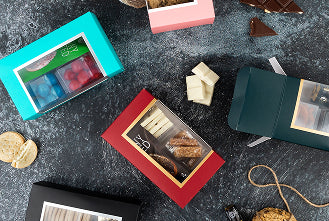
Window cookie boxes solve a simple problem: they let the recipient see what's inside before they open the package. For holiday gift giving, cookie swaps, and home bakers selling at seasonal markets, that transparency matters. The window transforms packaging from a container into a preview, and research on consumer behavior backs up what bakers have known for years—when people can see the product, they're more likely to buy or receive it with enthusiasm.
Whether you're packaging decorated sugar cookies for a neighborhood exchange, assembling gift sets for clients, or preparing dozens of boxes for a holiday craft fair, understanding how window boxes work—and which formats fit which occasions—will save you time and improve presentation. This guide walks through the most common sizes, materials, and design considerations for cookie exchange packaging, with a focus on practical details that matter when you're boxing cookies at volume.
Visibility drives purchase decisions. A National Institutes of Health study on packaging transparency found that consumers form quality judgments faster when they can see the product directly, and that visual access increases perceived control and confidence in food purchases. For cookies—especially decorated or specialty varieties—the window acts as proof of effort and quality.
In a cookie swap or holiday gifting scenario, the window serves three functions. First, it confirms the contents without requiring the recipient to open the box prematurely, which keeps cookies fresher longer. Second, it showcases decorative work—icing details, sprinkles, or unique shapes—that would otherwise go unnoticed until the box is opened. Third, it creates a sense of anticipation; the partial reveal is often more effective than a full unwrapping because it invites closer inspection.
For small business bakers and home gifters alike, window boxes also reduce the need for verbal explanation. At a craft fair or cookie exchange table, a clear window communicates "homemade butter cookies with royal icing" or "assorted gingerbread shapes" without signage. The packaging does the work of describing the product, which is especially valuable when you're managing multiple conversations or transactions at once.
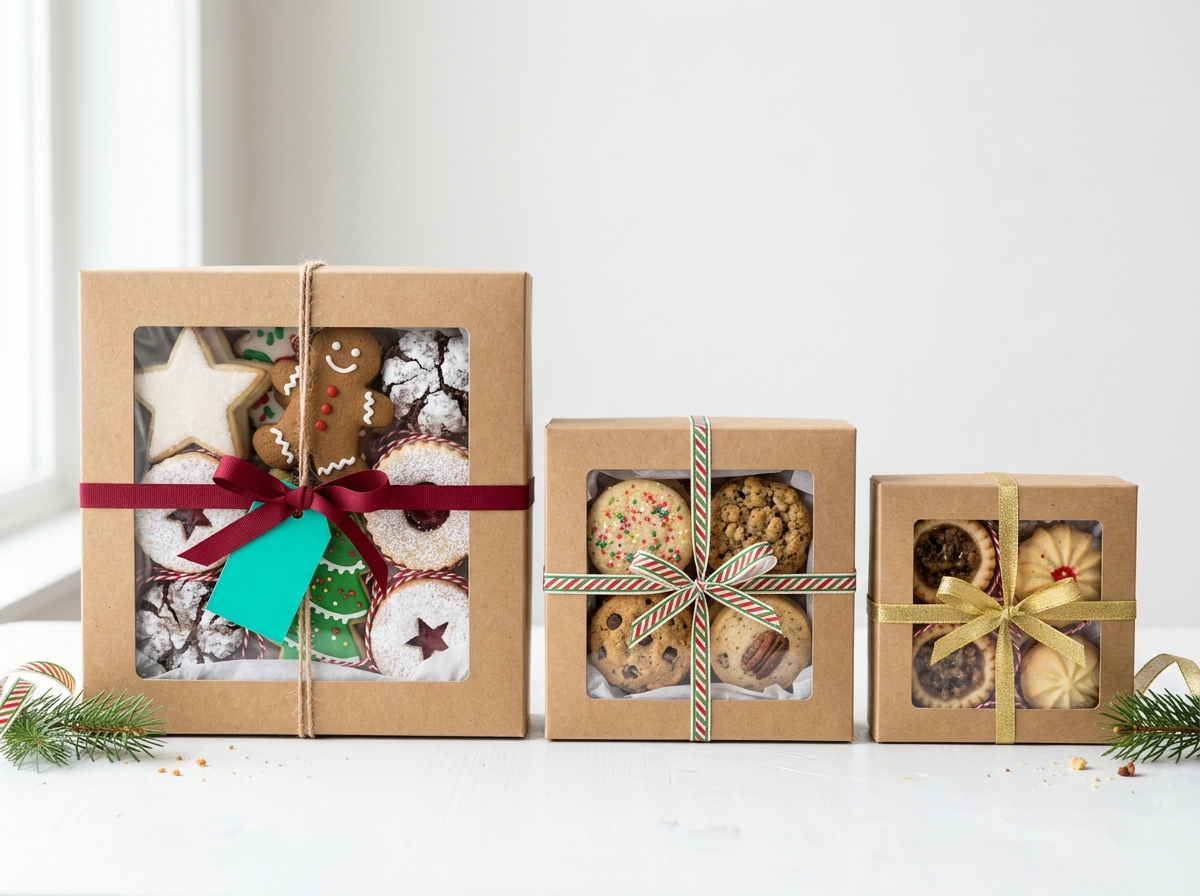
Window cookie boxes are typically sold by exterior dimensions, but the usable interior space is what determines how many cookies fit comfortably. The most common formats for holiday gifting and cookie swaps are 4-count, 6-count, and 12-count configurations, though sizing varies by cookie diameter and thickness.
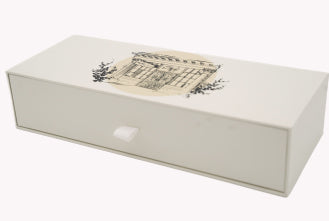
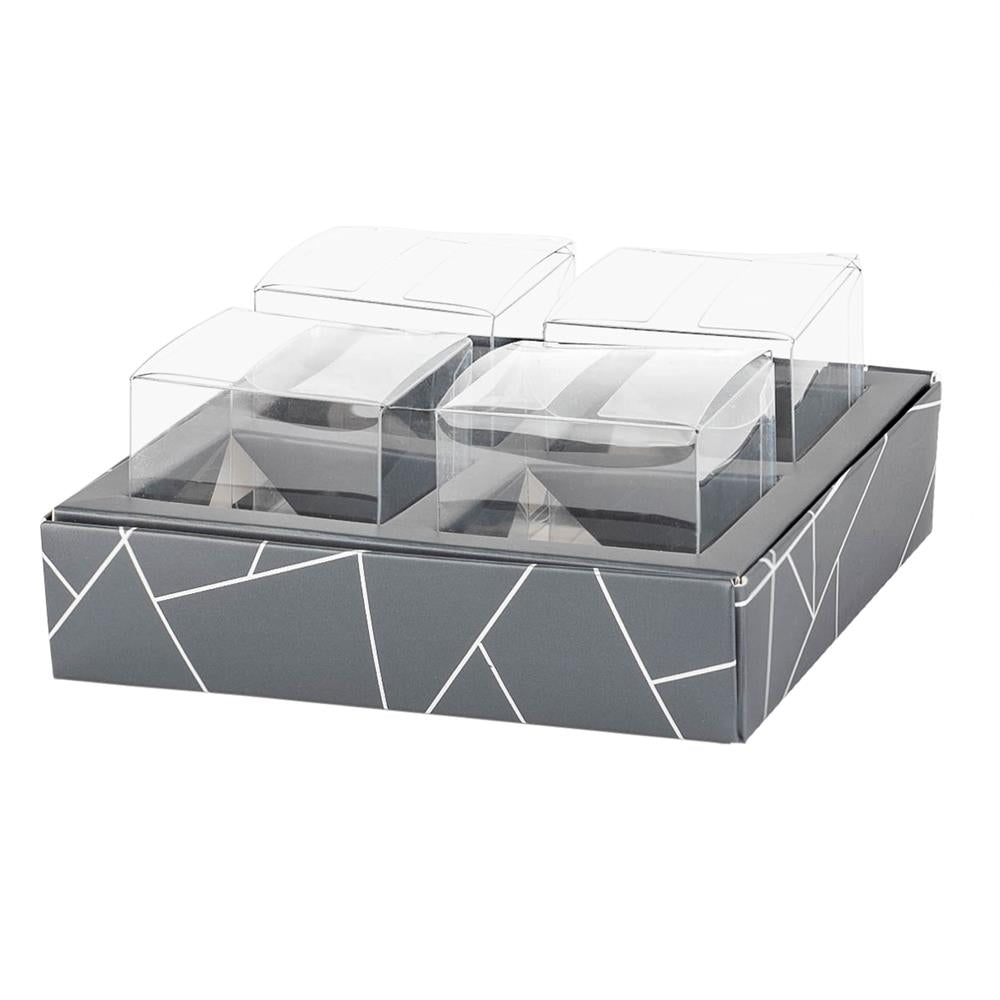
A 6.75 x 3.5 x 2-inch box, such as a gray paper gift box with window, typically holds 4 to 6 medium cookies (3 to 3.5 inches in diameter) arranged in a single layer. This size works well for individually wrapped favors at a cookie swap or for small thank-you gifts. The taller profile (2 inches) accommodates cookies with moderate icing or toppings without smudging the window.
An 8 x 5.5 x 2.5-inch box, like a tall white paper box with window, is the workhorse format for holiday cookie gifting. It holds 6 to 8 standard cookies or up to 12 smaller varieties (2-inch diameter). The extra half-inch in height compared to the smaller box provides clearance for thicker royal icing or dimensional decorations, which is critical when packaging sugar cookies with piped details or stacked gingerbread.
For cookie swap hosts or bakers preparing large gift assortments, a 10 x 7 x 2.5-inch or 12 x 8 x 2.5-inch box accommodates 12 to 18 cookies, depending on shape. These larger formats are less common in retail packaging but are frequently used for corporate gifts, holiday party favors, or family gift sets where variety is part of the appeal. The key consideration at this size is structural integrity—larger windows require thicker paperboard or internal support to prevent sagging during transport.
The substrate you choose affects both the structural performance of the box and the perceived quality of the gift. Most window cookie boxes are made from paperboard, kraft paper, or coated SBS (solid bleached sulfate) board, each with trade-offs in rigidity, printability, and cost.
White paperboard boxes, typically 18- to 24-point thickness, offer the cleanest presentation and the best surface for custom printing or labeling. They're the default choice for formal holiday gifts, corporate cookie assortments, and any scenario where branding matters. The smooth finish accepts adhesive labels cleanly, and the white background makes colored cookies—especially those with red, green, or gold icing—stand out through the window.
Kraft boxes, usually in natural brown or unbleached tones, signal a handmade or artisanal aesthetic. They're popular at craft fairs, farmers' markets, and cookie swaps where the emphasis is on homemade quality rather than polished branding. Kraft is slightly less rigid than coated paperboard at the same thickness, so it's best suited for smaller box sizes (under 8 inches in length) or for cookies that don't require long-distance transport.
Coated or laminated boxes add a layer of grease resistance, which is useful for cookies with high butter content or oil-based frostings. The coating prevents oil stains from migrating through the paperboard, which can compromise the appearance of the box after a few days. If you're preparing gift boxes more than 48 hours in advance of delivery, a coated interior is worth the marginal cost increase.
The window itself is typically made from one of three materials: PET (polyethylene terephthalate), acetate, or glassine. Each has different clarity, rigidity, and food-safety profiles.
PET windows are the most common in retail cookie packaging. They're crystal-clear, rigid enough to hold their shape without wrinkling, and generally recognized as safe for direct food contact. PET is also recyclable in most municipal systems, though it should be separated from the paperboard box before disposal. The main downside is that PET is a plastic, which may not align with sustainability messaging if that's a priority for your brand or gift presentation.
Acetate windows, sometimes called cellophane (though true cellophane is a different material), offer similar clarity to PET but with slightly more flexibility. Acetate is biodegradable under certain conditions, which makes it a middle-ground option for bakers who want transparency without full plastic packaging. However, acetate can yellow over time when exposed to heat or UV light, so it's not ideal for boxes that will sit in a sunny display or warm kitchen for more than a few days.
Glassine windows are translucent rather than fully transparent. They provide a softer, more diffused view of the cookies inside, which can be appealing for rustic or vintage-themed holiday packaging. Glassine is grease-resistant and compostable, making it the most eco-friendly window option. The trade-off is reduced visibility—fine details like icing patterns or sprinkle placement are harder to see through glassine, so it works best for cookies where the overall shape and color are the main visual appeal.
One of the most common issues with window cookie boxes is condensation fogging the window, especially when cookies are packaged while still slightly warm or when boxes are moved from a cool environment to a warm one (such as from a refrigerator to room temperature). The fog obscures the cookies and can create moisture inside the box, which softens crisp cookies or causes icing to bleed.
The simplest prevention method is to allow cookies to cool completely—ideally for at least two hours at room temperature—before boxing. Residual heat from baking or cooling racks will release moisture as the cookies equilibrate, and that moisture condenses on the cooler window surface. If you're working on a tight timeline and need to box cookies sooner, place them on a wire rack in a low-humidity environment (under 50% relative humidity) and run a fan nearby to accelerate cooling.
For iced or decorated cookies, ensure the icing is fully set before boxing. Royal icing typically takes 4 to 6 hours to harden at room temperature, and buttercream or fondant decorations may take longer. Packaging cookies with wet or tacky icing traps moisture inside the box, which not only fogs the window but also increases the risk of icing transfer onto the window or adjacent cookies.
If you're assembling boxes in advance and storing them in a refrigerator or cooler, allow the boxes to come to room temperature gradually before opening or displaying them. A sealed box moved from 40°F to 70°F will develop condensation on both the interior and exterior of the window as the air inside warms and its moisture-holding capacity increases. Letting the box acclimate for 30 to 60 minutes minimizes this effect.
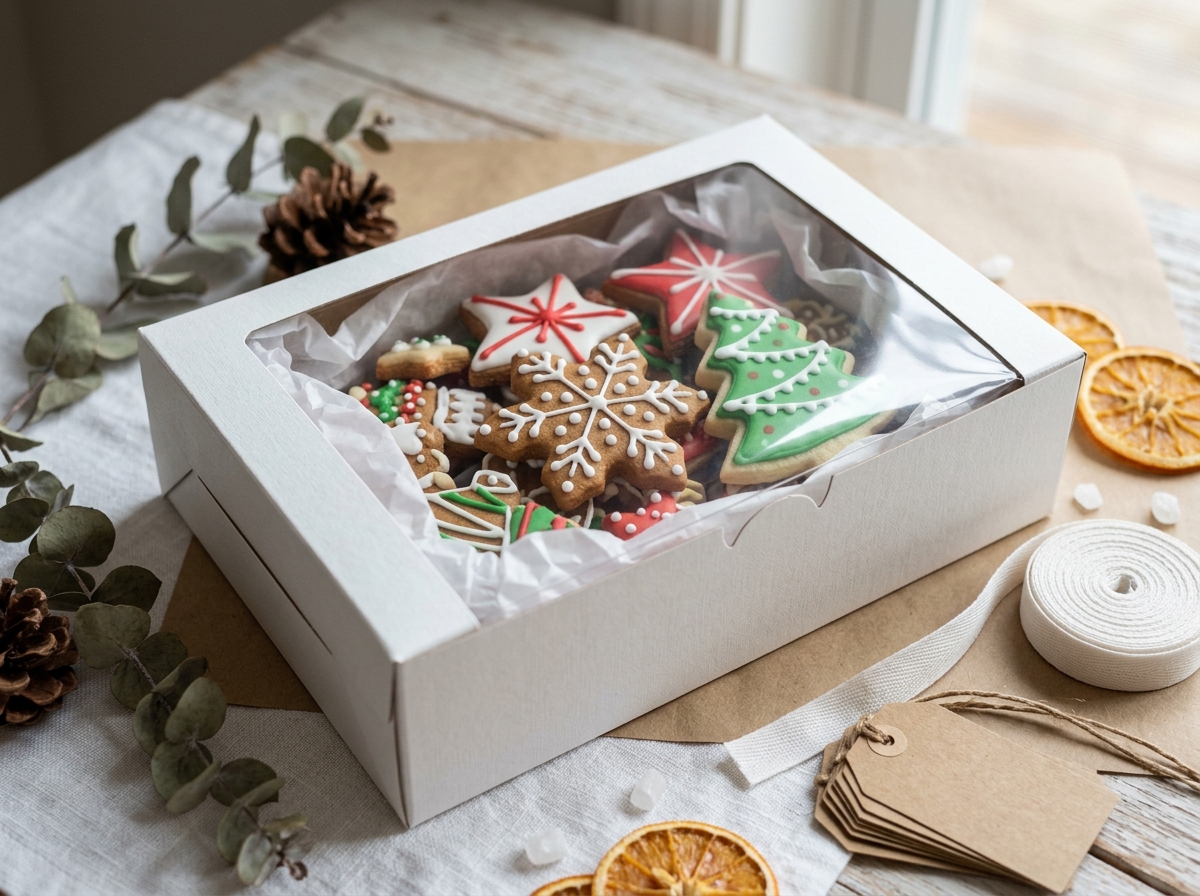
The way you position cookies inside the box determines what the recipient sees through the window. Thoughtful arrangement can elevate a simple gift into something that looks professionally packaged, even when it's homemade.
For boxes with a single centered window, place the most visually striking cookie in the center of the box, directly under the window. If you're including an assortment, position cookies with the most intricate icing or the most recognizable shapes (stars, trees, snowflakes) in the window zone, and place plainer cookies—like simple rounds or rectangles—toward the edges where they're less visible. This creates a focal point and ensures the recipient's first impression is of your best work.
In boxes with full-top windows (where the entire lid is clear), arrange cookies in a grid or radial pattern. Symmetry reads as intentional and polished, even if the cookies themselves are rustic. Alternating colors or shapes—red and green, stars and circles—adds visual rhythm. If you're including cookies of different sizes, place larger cookies in the back or corners and smaller ones in the front or center, which creates a sense of depth and prevents smaller cookies from being overshadowed.
For layered boxes (two tiers of cookies separated by a cardboard insert or parchment), ensure the top layer is the display layer. The window should reveal the top tier only; the bottom tier is discovered when the box is opened, which creates a two-stage reveal that feels more generous. Use a sheet of food-safe tissue paper or parchment between layers to prevent icing transfer and to signal to the recipient that there's more inside.
Cookie inserts—molded pulp, corrugated cardboard, or vacuum-formed plastic trays—keep cookies from shifting during transport and prevent contact between adjacent cookies. They're most useful for decorated cookies with delicate icing or for boxes that will be shipped or carried over long distances.
For local delivery or hand-to-hand gifting, inserts are optional unless the cookies are particularly fragile. A sheet of food-safe tissue paper or parchment between the cookies and the box lid provides enough cushioning to prevent smudging without the added cost and bulk of a full insert. Crumpled tissue paper at the corners of the box can also stabilize cookies and fill empty space, which reduces movement.
Dividers—thin cardboard strips that create individual compartments within the box—are useful when you're packaging cookies of different flavors or dietary types (e.g., nut-free vs. nut-containing) and want to keep them separated. Dividers also prevent cookies from leaning or stacking on top of each other, which is a common issue in boxes that are slightly too large for the number of cookies inside.
If you're using a box without a built-in insert and the cookies don't fill the entire base, place a folded piece of parchment or a small square of bubble wrap under the cookies to raise them slightly. This brings the cookies closer to the window, making them more visible, and reduces the "empty box" effect that can make a gift feel less substantial.
A window box doesn't need elaborate decoration to look finished, but a few small touches make a significant difference in perceived quality. Labels, seals, and closures signal care and attention, especially in a gifting context.
Ingredient labels or flavor tags are both practical and decorative. A small adhesive label on the front or side of the box—listing the cookie type, key ingredients, or allergen information—helps recipients identify what's inside and demonstrates transparency about what you've made. For cookie swaps, this is especially important when multiple bakers are contributing and attendees may have dietary restrictions.
Seals or stickers that close the box add a layer of tamper-evidence and keep the lid secure during transport. A round sticker with your name, a holiday greeting, or a simple "Handmade with care" message serves both functional and branding purposes. Wax seals, while more time-consuming, create a formal, heirloom-quality appearance that's well-suited to high-value gifts or corporate presentations.
Ribbon or twine wrapped around the box is a classic finishing touch, but it can interfere with the window if not placed carefully. Horizontal wrapping (around the long axis of the box) keeps the window clear and adds a decorative element without obscuring the cookies. Avoid vertical wrapping that crosses the window, as it breaks up the visual continuity and makes the cookies harder to see.
Window boxes are inherently less recyclable than all-paper boxes because the window material—whether PET, acetate, or glassine—requires separation before recycling. However, there are ways to minimize environmental impact without sacrificing the visibility that makes window boxes effective.
Choose boxes with the smallest window size that still showcases the cookies. A 2 x 2-inch window uses less plastic than a 4 x 4-inch window, and the smaller opening is often sufficient to display the product. Some manufacturers now offer boxes with plant-based PLA (polylactic acid) windows, which are compostable in commercial facilities, though they're not yet widely available at consumer-friendly price points.
If sustainability is a core value for your brand or gift presentation, consider using a windowed sleeve over a solid box rather than a fully integrated window box. The sleeve can be removed and recycled separately, and the inner box remains fully paper-based. This approach adds a step to the packaging process but may align better with eco-conscious messaging.
According to Packaging Digest, bakery packaging is increasingly moving toward recyclable mono-material solutions, with brands exploring paper-based windows and water-based coatings. While these innovations are still emerging in the small-batch and home-baker market, they represent the direction the industry is moving for holiday and specialty packaging.
Window boxes typically cost 15 to 30 percent more than equivalent solid boxes due to the additional manufacturing step of die-cutting the window and adhering the transparent panel. For small-batch or one-time gifting, this cost difference is marginal—often less than $0.50 per box—but it adds up when packaging at volume.
For home bakers preparing 50 to 100 boxes for a holiday sale or cookie swap, the incremental cost of window boxes is usually justified by the increased perceived value. Customers and recipients consistently rate windowed packaging as higher-quality than solid packaging, even when the cookies inside are identical. The visibility premium translates to a willingness to pay more or to perceive the gift as more thoughtful.
For very large orders (500+ units), some bakers opt for a hybrid approach: using window boxes for premium or decorated cookies and solid boxes for simpler varieties. This allows you to allocate your packaging budget toward the products where visibility has the greatest impact, while keeping costs down for items where the box is purely functional.
Window cookie boxes are available from wholesale packaging suppliers, restaurant supply stores, and online retailers specializing in bakery supplies. Pricing and minimum order quantities vary widely, so it's worth comparing options if you're buying in volume.
Wholesale suppliers typically offer the lowest per-unit cost but require minimum orders of 100 to 500 boxes. If you're preparing for a large cookie swap, holiday market, or corporate gifting program, buying in bulk from a wholesaler can cut your packaging cost in half compared to retail pricing. Hammont offers window gift boxes in multiple sizes with no minimum order quantity requirements, which is useful for smaller projects or when you're testing a new box size before committing to a large order.
Restaurant supply stores and online marketplaces like Amazon or Etsy offer smaller pack sizes (8 to 25 boxes per pack) at higher per-unit prices, but with the convenience of fast shipping and no MOQ. This is a practical option for one-time events or when you need boxes quickly and can't wait for a bulk order to arrive.
When comparing suppliers, check the window material, box thickness, and whether the boxes arrive flat (requiring assembly) or pre-assembled. Flat boxes take up less storage space and are easier to ship, but they add 15 to 30 seconds of assembly time per box, which matters when you're packaging dozens of units.
Even experienced bakers make avoidable errors when switching from solid boxes to window boxes. Here are the most common issues and how to prevent them.
Overfilling the box is the top mistake. Window boxes have slightly less usable interior volume than solid boxes of the same exterior dimensions because the window panel and its adhesive take up space along the edges. If you're used to fitting six cookies in a solid 8 x 5.5-inch box, you may only fit five comfortably in a windowed version. Test-pack a box before committing to a large order to confirm the fit.
Placing cookies too close to the window edge can cause icing or toppings to smudge against the plastic. Leave at least a quarter-inch of clearance between the highest point of the cookie (including icing) and the window. If your cookies are particularly tall or heavily decorated, choose a box with a deeper profile or add a spacer (a folded piece of parchment) to create more vertical clearance.
Ignoring assembly orientation is another frequent issue. Most window boxes have a specific top and bottom, with the window designed to be on the lid. Assembling the box upside down places the window on the base, which obscures the cookies and defeats the purpose of the window. Check the box's fold lines and any printed instructions before assembling in bulk.
A 10 x 7 x 2.5-inch or 12 x 8 x 2.5-inch window box typically accommodates 12 standard sugar cookies (3 to 3.5 inches in diameter) arranged in two rows of six or three rows of four. The exact fit depends on cookie thickness and whether they're decorated with icing. For heavily iced cookies, choose a box with at least 2.5 inches of interior height to prevent smudging.
Yes, but window boxes should be placed inside a corrugated shipping box with cushioning material to protect the window from cracking during transit. The window itself is not structural, so it won't prevent the box from being crushed. Use bubble wrap, packing paper, or air pillows to fill empty space around the cookie box inside the shipper, and mark the outer box as "Fragile" to encourage careful handling.
Ensure cookies are completely cool and that any icing or glaze is fully set before placing them in the box. Leave at least a quarter-inch of clearance between the top of the cookie and the window. If you're packaging cookies with sticky toppings (like caramel or marshmallow), place a small square of parchment paper over each cookie before closing the box to create a barrier between the topping and the window.
Most window cookie boxes sold by reputable suppliers use food-safe materials for both the paperboard and the window panel. PET and acetate windows are generally recognized as safe for direct food contact. If you're concerned about food safety—especially for cookies that will be stored in the box for several days—look for boxes labeled as FDA-compliant or food-grade. Avoid using decorative or craft boxes not specifically designed for food unless you line them with food-safe parchment or wax paper.
Store assembled boxes in a cool, dry location away from direct sunlight and moisture. Stack them no more than 10 to 12 boxes high to prevent the bottom boxes from being crushed. If you're storing boxes for more than a few weeks, keep them in their original packaging or cover them with a sheet to prevent dust accumulation. Avoid storing boxes in a garage or basement where humidity can cause the paperboard to warp or the window adhesive to weaken.
Window cookie boxes are a practical investment for anyone packaging cookies as gifts, for swaps, or for sale. The visibility they provide increases perceived value, simplifies product identification, and creates a more engaging unboxing experience. By selecting the right size, material, and window type for your specific cookies and occasion, you can elevate your presentation without adding significant cost or complexity to your packaging process.
Whether you're preparing a dozen boxes for a neighborhood cookie exchange or several hundred for a holiday market, the principles remain the same: cool cookies completely, arrange them thoughtfully, and choose a box size that provides a snug fit without crowding. The window does the rest of the work, turning a simple container into a showcase for your baking.