Cart
0
You may also like

Book a call with our development team to get started.



Apply online and access wholesale pricing.

Small gift boxes DIY projects offer an affordable, personal way to package jewelry, treats, and party favors for any occasion. Whether you're preparing wedding favors, assembling jewelry gifts, or creating treat boxes for a baby shower, making your own small boxes lets you control the size, style, and presentation while keeping costs manageable. The right box transforms even a simple gift into something memorable.
This guide covers practical techniques for creating DIY gift boxes in small formats, with specific ideas for jewelry packaging, edible treats, and event favors. You'll learn which materials work best for different contents, how to size boxes correctly, and where ready-made options can save time without sacrificing the handmade look.
Small boxes—typically ranging from 2×2 inches to 5×5 inches—solve a common packaging problem: they fit delicate or petite items without excess material or wasted space. For jewelry makers and small business owners, the right box protects products during transit and elevates perceived value. For event planners, small boxes keep favor costs reasonable while still delivering a polished presentation.
The compact format also means you can customize in bulk without a significant time investment. A batch of thirty 3×3-inch boxes requires less cardstock and fewer embellishments than thirty large gift boxes, making small formats ideal when you're working within a budget or a tight timeline.
Common uses include:
Material choice depends on what you're packaging and how the box will be used. Jewelry requires structure and cushioning; treats need food-safe materials; party favors benefit from decorative finishes.
Medium-weight cardstock (65 lb to 80 lb) is the workhorse material for DIY small boxes. It's sturdy enough to hold shape, easy to cut and fold, and available in hundreds of colors and patterns. Kraft cardstock offers an eco-friendly, neutral base that pairs well with stamps, twine, and minimalist designs.
For boxes that will hold heavier items like stacked cookies or multiple pieces of jewelry, consider 110 lb cardstock or chipboard. The added thickness prevents collapse but requires a scoring tool for clean folds.
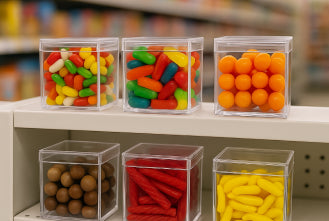
Clear boxes let the contents become part of the presentation—ideal for colorful candies, decorated cookies, or layered treats. PET (polyethylene terephthalate) plastic is food-safe, lightweight, and available in box formats with snap-close or tuck-top lids. A novelty suitcase-shaped candy box with a transparent lid works especially well for travel-themed parties or destination wedding favors.
For boxes that need to ship or withstand handling, thin corrugated cardboard (E-flute or F-flute) provides cushioning without bulk. It's overkill for a simple favor box but essential if you're mailing jewelry or sending treat boxes as gifts.
Jewelry packaging requires both protection and presentation. Small boxes designed for rings, earrings, or delicate chains need interior cushioning to prevent movement and exterior appeal that matches the quality of the piece inside.
A 2×2-inch or 2.5×2.5-inch box is the standard size for rings and stud earrings. If you're making a gift box from cardstock, line the interior with cotton batting, velvet fabric, or foam inserts to hold the jewelry in place. Rolling a strip of batting into a 1-inch cylinder and wrapping it in fabric creates a simple ring holder that fits inside a small square box.
For earrings, punch small slits in a cardstock insert or use a straight pin pushed through the card to secure post-style earrings. This keeps pairs together and prevents tangling.
Necklaces need slightly more length—a 3×3-inch or 4×4-inch box works for most chain lengths when coiled. Add a cardstock insert with a slit to tuck the clasp, preventing the chain from knotting during handling. For bracelets, a 3×2-inch rectangular box provides enough width without excess depth.
Decorative touches like ribbon closures, wax seals, or custom stamps elevate the unboxing experience. A simple kraft box with a hand-stamped logo or a silk ribbon tied around the lid can feel just as premium as a printed box at a fraction of the cost.
If you're gifting a set—earrings and a necklace, for example—consider a slightly larger box (5×5 inches) with interior dividers. Cut cardstock strips to the interior height of the box and notch them to interlock, creating separate compartments for each piece. This prevents scratching and keeps the presentation organized.
Treat boxes serve a dual purpose: they protect baked goods from damage and make edible gifts feel special. Size and ventilation matter here—boxes that are too large let cookies shift and break; boxes without airflow can cause condensation that softens baked goods.
A 4×4×2-inch box holds two to four standard-sized cookies, depending on thickness. For stacked cookies, use a box with a 2.5-inch to 3-inch depth and separate layers with parchment paper or wax paper squares. This prevents frosting from smudging and keeps cookies from sticking together.
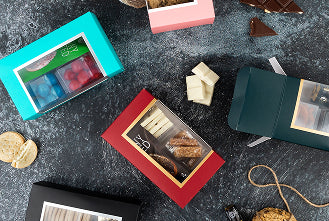
Windowed cookie boxes—boxes with a clear acetate or cellophane panel on the lid—let recipients see the treats inside without opening the package. These are especially effective for decorated sugar cookies, macarons, or other visually appealing baked goods.
Small candy boxes (2×2 inches to 3×3 inches) work well for truffles, caramels, or mixed candy assortments. Line the box with a paper candy cup or mini cupcake liner to keep candies from rolling and to add a finished look. For weddings or formal events, gold or silver foil liners add a touch of elegance without additional cost.
If you're packaging chocolates that need temperature control, avoid plastic boxes that can trap heat. Cardstock with a wax-paper liner provides better airflow while still protecting the contents.
For party favors or event giveaways, small boxes filled with portioned snacks—nuts, popcorn, or granola—offer a practical alternative to candy. A 3×3×3-inch cube box holds about one cup of snacks, enough for a single serving. Use resealable zipper treat bags inside the box to keep contents fresh if guests won't consume them immediately.
Party favors are a gesture of thanks, and the box itself contributes to the overall impression. Small favor boxes should align with your event theme, be easy to transport, and—if you're making dozens—be simple enough to assemble in batches.
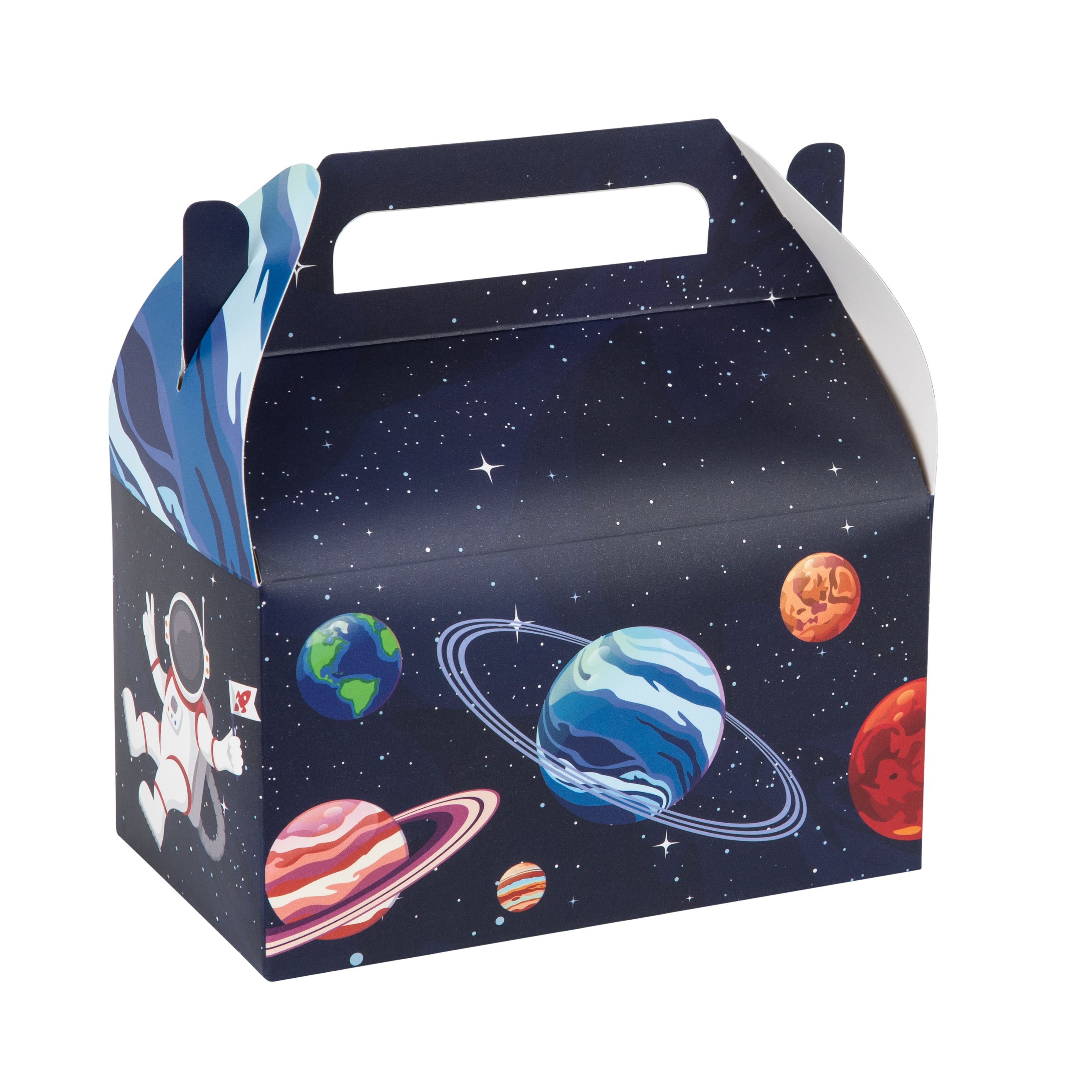
Wedding favors typically range from 2×2 inches (for a single truffle or small candle) to 4×4 inches (for a soap, tea sampler, or small plant). Gable boxes—the kind with a built-in handle formed by the folded top—are popular for weddings because they're self-closing and easy for guests to carry. They also stack neatly on favor tables.
Customize plain kraft or white gable boxes with custom stamps, stickers, or printed labels that include the couple's names and wedding date. A simple twine bow or sprig of dried lavender tied to the handle adds a personal touch without requiring complex assembly.
Baby shower favors often use pastel colors or gender-neutral tones like mint, yellow, or white. Small pillow boxes—boxes with curved sides that close with a tuck flap—are a popular choice because they're quick to assemble and have a soft, rounded shape that suits baby themes.
Fill with wrapped candies, bath salts, or small candles. Add a printed tag with a thank-you message or a short quote about parenthood. For a cohesive look, match the box color to other shower elements like napkins, banners, or table linens.
Birthday favor boxes can be more playful. Bright colors, patterns, and novelty shapes—like the suitcase-shaped treat box—work well for kids' parties or themed adult celebrations. A 3×3-inch cube box is versatile enough for candy, small toys, or party poppers.
For milestone birthdays (30th, 50th, etc.), consider boxes that double as keepsakes. A small wooden or rigid cardboard box with a magnetic closure can be reused for jewelry or trinkets long after the party ends.
This method creates a simple lidded box suitable for jewelry, small treats, or party favors. The finished box measures approximately 3×3×2 inches, but you can scale the template up or down as needed.
Materials:
Instructions:
1. Cut and score the base. On one sheet of cardstock, measure and mark a 7×7-inch square. Mark 2-inch lines inward from each corner, creating a cross shape. Score along these lines with a bone folder to create clean folds.
2. Cut corner flaps. Cut along the scored lines from each corner toward the center, stopping at the 2-inch mark. This creates four flaps on each side of the box.
3. Fold and glue. Fold all four sides up along the score lines. Apply adhesive to the corner flaps and press them against the inside of the adjacent walls to form the box base. Hold each corner for a few seconds until the glue sets.
4. Make the lid. Repeat the process with the second sheet of cardstock, but cut the initial square slightly larger—7.25×7.25 inches—so the lid fits over the base without being too tight. The extra quarter-inch provides clearance.
5. Decorate and fill. Once both pieces are dry, decorate the exterior with stamps, stickers, or ribbon. Line the interior with tissue paper or fabric if needed, then add your gift.
Not every project requires building boxes from scratch. Ready-made small boxes in neutral colors or simple designs can be customized quickly with stamps, labels, or embellishments, giving you the handmade look without the time investment of full construction.
Kraft boxes with window lids, white pillow boxes, and clear plastic boxes are all available in bulk at wholesale pricing. Purchase plain versions and personalize with:
This hybrid approach—buying the structure, adding the details—works especially well when you need 50 or more boxes. The time saved on construction can be redirected to thoughtful finishing touches that make each box feel unique.
A box that's too large wastes material and makes the gift feel small; a box that's too tight risks damaging the contents or being difficult to open. Measure your item before selecting or making a box.
For jewelry: Measure the longest dimension of the piece when laid flat, then add 0.5 inches to both length and width for interior padding. Depth should be at least 1 inch for rings and earrings, 1.5 to 2 inches for necklaces and bracelets.
For treats: Stack or arrange your cookies, candies, or baked goods as you plan to package them, then measure the footprint and height. Add 0.25 inches to each dimension to account for liners or tissue paper. For fragile items like decorated cookies, add extra depth so the lid doesn't touch the surface.
For party favors: Consider not just the favor itself but also any filler material, tags, or cards you'll include. A small candle might measure 2×2 inches, but with shredded paper filler and a folded thank-you card, you'll need a 3×3-inch box.
Small boxes offer less surface area for decoration, so each element needs to be intentional. A single well-placed detail often has more impact than multiple competing embellishments.
Rubber stamps work beautifully on kraft or white cardstock boxes. A small logo, monogram, or decorative border stamped in black, gold, or colored ink adds a custom touch without covering the entire box. For larger batches, consider ordering a custom stamp with your event details or business logo.
Inkjet or laser printers can print directly onto flat cardstock before you fold and assemble boxes, allowing for full-color designs, patterns, or text. Print your template on decorative or printed cardstock, then cut and fold as usual.
A length of ribbon or twine tied around a small box—either as a simple wrap or a bow—adds texture and a finished look. Satin ribbon feels formal and works well for weddings or upscale events; jute twine suits rustic or eco-friendly themes; grosgrain ribbon offers a structured, classic appearance.
For boxes with lids, tie the ribbon around the seam where the lid meets the base. This serves a practical purpose (keeping the lid secure) while adding visual interest.
A small hang tag attached with string or ribbon provides space for a message, name, or thank-you note without cluttering the box itself. Tags can be as simple as a rectangle of cardstock with a hole punch and string, or as detailed as a custom-printed design with your event branding.
Adhesive labels—either printed at home or ordered from a label service—offer another option. Place a circular label on the box lid or a rectangular label on the front panel. Keep text minimal: a name, date, or short phrase is usually enough.
Cost per box varies widely depending on materials, quantity, and level of customization. Here's a general comparison for a 3×3-inch box:
DIY from cardstock: Cardstock costs approximately $0.10 to $0.25 per sheet, and each sheet yields one box (base and lid). Add $0.05 to $0.15 for adhesive, ribbon, or embellishments. Total cost per box: $0.15 to $0.40.
Ready-made plain boxes: Bulk kraft or white boxes purchased wholesale typically cost $0.30 to $0.60 each in quantities of 50 or more. Customization (stamps, labels, ribbon) adds $0.10 to $0.25 per box. Total cost per box: $0.40 to $0.85.
Ready-made decorative boxes: Pre-decorated boxes with printed designs, foil accents, or specialty finishes range from $0.75 to $2.00 each, depending on design complexity and order quantity.
For small batches (under 20 boxes), DIY from cardstock is usually the most economical option. For larger quantities, ready-made boxes save time, and the per-unit cost difference narrows when you factor in labor.
Even experienced crafters encounter issues when working with small box formats. These are the most common pitfalls and how to prevent them:
Using cardstock that's too thin. Lightweight cardstock (under 65 lb) doesn't hold its shape when folded into a box, especially if the box will hold anything with weight. Always test a sample box before committing to a full batch.
Skipping the scoring step. Folding cardstock without scoring creates uneven, messy creases that weaken the structure. A bone folder or even a spent ballpoint pen run along a ruler creates a score line that folds cleanly.
Making the lid too tight. A lid that fits snugly might seem secure, but it's frustrating to open and can tear if forced. Always add at least 0.125 inches (1/8 inch) to the lid dimensions compared to the base.
Overfilling the box. A box stuffed to capacity looks sloppy and is difficult to close. Leave at least 0.25 inches of clearance between the contents and the lid.
Forgetting food safety. If your box will hold edible items, ensure all materials that touch food are food-safe. Use parchment paper, wax paper, or food-grade cellophane as liners if you're uncertain about the cardstock or adhesive.
For jewelry makers, bakers, and other small business owners, packaging is part of the product experience. Small gift boxes protect items during shipping, reinforce brand identity, and encourage customers to share their unboxing experience.
Consistency matters in business packaging. Choose a box style, size, and color palette that you can replicate across orders. A jewelry business might use 3×3-inch white boxes with a custom logo stamp and a black satin ribbon for every order, creating a recognizable signature look.
Consider packaging costs as part of your product pricing. If a box, tissue paper, and ribbon add $0.75 to your cost per item, factor that into your retail price. Customers expect thoughtful packaging, especially for gift items, and are generally willing to pay for it when it's done well.
For businesses shipping products, ensure your small gift box fits inside your mailer or shipping box with enough room for cushioning material. A 3×3-inch gift box fits comfortably in a 6×6-inch mailer with bubble wrap or crinkle paper, protecting the gift box from damage in transit.
Ring and earring boxes are typically 2×2 inches or 2.5×2.5 inches. Necklaces and bracelets fit best in 3×3-inch or 4×4-inch boxes. Measure your jewelry piece when laid flat and add 0.5 inches to each dimension for padding and closure clearance.
Yes, but line the box with food-safe materials like parchment paper, wax paper, or food-grade cellophane. Avoid direct contact between food and cardstock, especially if you've used glue or decorative inks that aren't food-safe.
One 8.5×11-inch sheet of cardstock typically yields one small box (base and lid) in the 3×3-inch range. Larger sheets (12×12 inches) can produce one larger box or, with careful planning, two very small boxes.
A pillow box is the simplest option—it requires only two curved folds and tuck flaps, with no glue needed. Templates are widely available free online, and the shape works well for small, lightweight items like candy or jewelry.
Tie a ribbon or twine around the box at the seam where the lid meets the base, or use a small adhesive dot (removable or permanent, depending on preference) to secure the lid. For a more permanent solution, add a magnetic closure by gluing small craft magnets inside the lid and base.