Cart
0
You may also like

Book a call with our development team to get started.



Apply online and access wholesale pricing.

Creating DIY Christmas gift boxes transforms ordinary packaging into memorable holiday presentations. Whether you're wrapping homemade cookies, handcrafted ornaments, or thoughtful gifts for loved ones, the right decoration techniques can turn a simple box into part of the gift itself. This guide walks you through practical decoration methods, material choices, and festive embellishments that work for any skill level—from quick five-minute touches to elaborate craft projects.
The beauty of DIY Christmas gift boxes lies in their versatility. You can start with plain kraft boxes, clear containers that showcase treats inside, or even repurpose everyday packaging. With basic supplies like ribbon, scrapbook paper, and seasonal embellishments, you'll create packaging that feels personal and intentional without requiring advanced crafting skills.
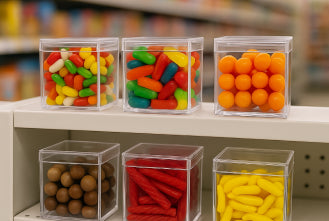
Your foundation matters. The box you start with determines how much decoration you'll need and what techniques will work best. Kraft boxes offer a neutral canvas that pairs beautifully with traditional red and green accents or modern metallics. Clear boxes work exceptionally well for edible gifts—cookies, candies, or decorated treats become part of the visual presentation before the recipient even opens the package.
For small gifts or party favors, consider novelty containers that already carry a festive element. A red plastic suitcase candy box brings whimsy to holiday treats while offering structure and reusability. The transparent lid lets recipients see what's inside, reducing the need for excessive external decoration.
Size matching prevents the common pitfall of gifts rattling around in oversized boxes or bulging out of containers that are too small. Measure your items first, then select boxes with about a half-inch clearance on all sides. This leaves room for tissue paper or padding without creating empty space that requires excessive filler.
Traditional holiday colors—deep reds, forest greens, and metallic golds—remain popular because they immediately signal the season. These shades work on any surface, from matte kraft to glossy white boxes. Silver adds a cooler, more modern tone that pairs well with navy or ice blue accents.
Scrapbook paper offers the fastest transformation. Cut triangles to create simple Christmas tree shapes, or cover an entire box lid with patterned paper using basic craft glue. Metallic or glitter-finish papers catch light and add dimension without requiring additional embellishments. For a cohesive look, choose papers that share one or two colors but vary in pattern—stripes, polka dots, and snowflake prints work together when the palette is consistent.
Ribbon selection changes the entire feel of a package. Satin ribbon looks formal and elegant, while burlap or twine creates a rustic, farmhouse aesthetic. Velvet ribbon adds luxury and works especially well on smaller boxes where the texture becomes a focal point. Width matters: narrow ribbon (¼ to ½ inch) suits small boxes and delicate designs, while wider ribbon (1 to 2 inches) makes a statement on larger packages.
Start simple with the cross-wrap method: position your box face-down on ribbon, bring both ends up and over, cross them on top, then flip the box and tie a bow. This technique works with any box shape and uses minimal ribbon. For square boxes, the diagonal wrap creates visual interest—position the box at a 45-degree angle to the ribbon, then bring corners up to meet at the center.
Layering adds sophistication without complexity. Wrap a box in solid-color paper first, then add a contrasting ribbon, followed by a gift tag or ornament tied into the bow. Each layer should be slightly smaller than the one beneath it, creating visible borders. A kraft box with cream ribbon and a small pinecone ornament demonstrates this principle—three elements, three textures, one cohesive design.
For those interested in constructing boxes from scratch, the process of making gift boxes from cardstock offers complete control over size and shape. This approach works especially well when you need non-standard dimensions or want to incorporate decorative elements into the box structure itself.
Small additions transform adequate packaging into memorable presentations. Wooden gift tags shaped like stars or trees add a handcrafted feel and double as ornaments recipients can hang on their tree. Adhesive snowflakes gain dimension when you dab glue on their centers and sprinkle with glitter—let dry completely before handling to avoid mess.
Fresh greenery brings natural elegance. Tuck a small sprig of pine, cedar, or eucalyptus under your ribbon bow. The scent enhances the unboxing experience, and the greenery stays fresh for several days. For longer-lasting options, artificial pine picks or berry stems from craft stores offer similar visual impact without wilting.
Beads and buttons create texture and catch light. Hot glue small beads in tree formations on box lids, or arrange vintage buttons in snowflake patterns. These techniques work best on solid-color boxes where the embellishments stand out clearly. If you're decorating multiple boxes, create an assembly line—glue all the base elements first, then add details once the glue sets.
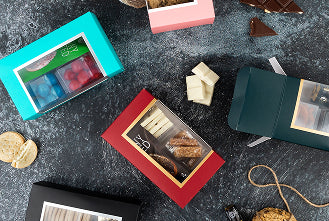
Clear boxes require a different approach since the contents remain visible. Focus decoration on the lid and ribbon, keeping sides minimal so the gift stays the focal point. A simple bow on top with a hanging gift tag provides sufficient decoration while maintaining the clean, showcase effect that makes clear boxes appealing.
For cookie or bakery boxes, consider the interior presentation. Line boxes with tissue paper in holiday colors, or use parchment paper that protects baked goods while adding a homemade, artisanal quality. Arrange cookies in visible layers so the top layer creates an attractive pattern when the box opens. External decoration can be minimal—a belly band (a strip of decorative paper wrapped around the box center) with a simple label often suffices.
Nested box sets create visual drama when stacked. Decorate each box in coordinating but distinct patterns—perhaps the largest box in solid red, the medium in red-and-white stripes, and the smallest in a red snowflake pattern. Stack them with the largest on bottom, securing with a ribbon that wraps around the entire stack. This approach works beautifully as table decoration before gifts are distributed.
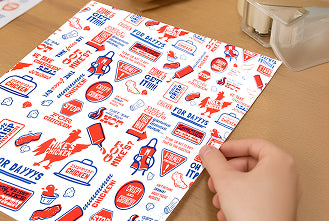
Kraft paper serves as both wrapping and decoration. Wrap boxes in plain kraft, then customize with stamps, stencils, or hand-drawn designs using metallic markers. This approach costs pennies per box and allows for personalization—add recipient names, simple holiday doodles, or festive patterns.
Repurpose materials you already own. Old Christmas cards become gift tags when cut into shapes. Fabric scraps from sewing projects can be cut into strips and used as ribbon alternatives—the frayed edges add rustic charm. Brown paper grocery bags, when carefully unfolded and smoothed, provide free wrapping paper with an eco-friendly, minimalist aesthetic.
Nature provides free embellishments. Pinecones, small twigs, and dried orange slices (baked at low temperature until completely dry) cost nothing and bring organic texture to packages. Attach them with twine or hot glue. For a complete natural look, wrap boxes in kraft paper, tie with jute twine, and tuck a pinecone and sprig of evergreen under the knot.
When you're creating packaging for multiple gifts or running a small business during the holiday season, the broader principles of DIY gift boxes apply year-round but take on special significance during Christmas when presentation expectations run high.
Rustic farmhouse style emphasizes natural materials and neutral tones. Use kraft boxes, burlap ribbon, and embellishments like twine, wooden tags, and dried botanicals. This aesthetic pairs well with homemade or artisanal gifts—baked goods, handmade soaps, or preserves. The decoration style reinforces the handcrafted quality of the contents.
Modern minimalist Christmas packaging uses clean lines and limited color palettes. Think white boxes with single strands of black or gold ribbon, geometric patterns instead of traditional holiday motifs, and simple typography on tags. This approach appeals to contemporary tastes and photographs beautifully for those sharing gifts on social media.
Traditional maximalist style embraces abundance—layered ribbons, multiple embellishments, rich colors, and elaborate bows. This approach works for special gifts where the packaging itself becomes part of the experience. Use velvet ribbons, metallic accents, ornate gift tags, and multiple coordinating patterns. The key is maintaining color cohesion so abundance doesn't become chaos.
Work in batches when decorating multiple boxes. Cut all ribbon to length first, then tie all bows, then attach all embellishments. This assembly-line approach saves time and ensures consistency across packages. Keep a ruler handy to measure ribbon lengths—most standard bows require 18 to 24 inches of ribbon depending on box size and ribbon width.
Store decorated boxes flat if possible, with tissue paper between layers to prevent embellishments from crushing. If you're preparing boxes in advance, avoid adding fresh greenery until shortly before gifting. Most other decorations—ribbon, paper elements, and dried materials—hold up well for weeks when stored properly.
For boxes you'll ship, secure all embellishments with strong adhesive and avoid elements that protrude significantly. Flat decorations like paper cutouts and painted designs survive shipping better than three-dimensional bows or hanging ornaments. Consider photographing elaborately decorated boxes before shipping, then including the photo as a card—this preserves your work even if the box arrives slightly disheveled.
Food-safe packaging matters when contents will touch the box interior. If you're decorating plain boxes for cookies or candies, line them with parchment paper or food-safe tissue before adding treats. This creates a barrier between decorated surfaces (which may have glue or paint) and edible contents.
Moisture-resistant materials prevent decoration disasters. If you're packaging items that might create condensation, avoid paper-based decorations that will wilt or run. Ribbon and plastic embellishments hold up better in these situations. For frozen items like decorated cookies, add decorations after the box has come to room temperature to prevent condensation from ruining your work.
Clear boxes shine for edible gifts because they showcase your baking or candy-making skills. A zipper treat bag offers an alternative to rigid boxes for cookies or candies, combining protection with visibility. These work especially well for gift bags containing multiple small treats or for party favors where you're packaging individual portions.
Handwritten elements create connection. Even if your handwriting isn't perfect, a personally written tag or message adds warmth that printed labels can't match. Use metallic pens on dark surfaces or white gel pens on kraft paper for contrast that makes writing legible.
Photo tags turn packaging into keepsakes. Print small photos—perhaps a picture of you and the recipient, or a memory from the past year—and attach them to packages with ribbon or twine. These become ornaments recipients can hang on their tree, extending the life of your packaging beyond the initial gift.
Custom stamps let you brand multiple packages consistently. A simple stamp with your family name, a holiday greeting, or a decorative motif can be used on tags, directly on kraft boxes, or on tissue paper. Stamp pads in metallic or traditional Christmas colors add festive flair.
Reusable elements reduce waste and add value. Fabric ribbons can be untied and used again, unlike paper ribbon that tears when opened. Ornaments attached to packages serve dual purposes—decoration now, tree ornament later. Wooden tags, metal bells, and other durable embellishments can be collected and reused year after year.
Recyclable materials make cleanup easier for recipients. Paper-based decorations, cardboard boxes, and natural embellishments can all go in recycling or compost bins. Avoid excessive plastic tape, opting instead for paper tape or ribbon ties that hold boxes closed without creating recycling complications.
Right-sizing reduces material waste. Using appropriately sized boxes means less filler material, less ribbon, and less overall packaging. This approach aligns with broader industry trends toward efficient, sustainable packaging while also reducing your supply costs.
Start with pre-decorated kraft boxes or plain white boxes and add a single festive element—a red or green ribbon with a simple bow, or a holiday-themed gift tag. This minimal approach looks intentional and polished without requiring crafting skills. As you gain confidence, add one additional element like a small ornament tied into the bow or a sprig of greenery tucked under the ribbon.
Focus decoration on the lid and use the cookies themselves as the main visual element. Arrange cookies in attractive patterns inside, then add a wide ribbon around the box perimeter and tie a bow on top. Attach a decorative tag to the ribbon. The transparency showcases your baking while the ribbon and tag provide holiday context.
Flat decorations survive shipping better than three-dimensional elements. Use decorative paper wrapping, painted or stamped designs directly on boxes, and securely glued flat embellishments. If you want to include ribbon, tie it tightly and secure the knot with a small dot of glue. Avoid hanging ornaments or tall bows that will crush in transit. Consider including loose decorative elements inside the box with a note suggesting the recipient add them after arrival.
Most decorated boxes hold up well for 2-3 weeks when stored flat in a cool, dry location. Avoid adding fresh greenery until 2-3 days before gifting, as it will dry out and drop needles. If you're using food items as decoration (like cinnamon sticks or dried orange slices), ensure they're completely dry to prevent mold during storage. Ribbon, paper elements, and most craft embellishments remain stable indefinitely when protected from moisture and crushing.
Use kraft paper as your base—it's inexpensive and versatile. Customize it with stamps, hand-drawn designs using markers you already own, or cutouts from old Christmas cards. Use natural elements like pinecones, twigs, and evergreen sprigs as free embellishments. Repurpose fabric scraps as ribbon alternatives. A kraft-wrapped box tied with twine and decorated with a pinecone and hand-stamped tag costs under fifty cents to create but looks thoughtful and intentional.