Cart
0
You may also like

Book a call with our development team to get started.



Apply online and access wholesale pricing.

There’s something satisfying about transforming everyday items into something beautiful. That empty cereal box sitting on your counter? It has potential. With a bit of creativity and a few simple supplies, you can turn it into a charming gift box.
This upcycling project is perfect for last-minute gifts, kids’ crafts, or anyone who loves a sustainable DIY challenge. The best part? You probably have everything you need at home already. So, here’s exactly how to make this gift box shine!
| Key Takeaways |
|---|
| Cereal boxes can be transformed into charming, sustainable gift packaging with minimal tools. |
| Flipping the box inside-out provides a clean surface for decorating. |
| Simple embellishments like ribbon and tags elevate the handmade look. |
| Lid customization adds professionalism—especially for formal gifts. |
| A clean, flat surface and dry glue time ensure best results. |
Before you start, collect your supplies. You’ll need an empty cereal box, scissors or a craft knife, a ruler, and a pencil. For covering the box, grab wrapping paper, scrapbook paper, fabric, or even brown kraft paper. You’ll also want glue or double-sided tape to secure everything.

Optional extras include ribbon, twine, stamps, stickers, or dried flowers for embellishment. A bone folder helps create crisp creases, but a ruler edge works fine too. Having everything ready makes the process smoother and more enjoyable.
| Step | Instructions |
|---|---|
| 1. Gather Your Materials | Collect an empty cereal box, scissors or craft knife, ruler, pencil, and glue or double-sided tape. For decorating, use wrapping paper, scrapbook paper, fabric, or kraft paper. Optional embellishments include ribbon, twine, stickers, and dried flowers. |
| 2. Deconstruct the Box | Carefully open the glued seam and lay the box flat. Remove any crumbs and examine the creases to guide your reconstruction. |
| 3. Flip It Inside Out | Turn the box so the plain side faces out. Refold along original lines in reverse. Glue the side seam shut and press firmly. |
| 4. Create a Lid | Use existing flaps for a simple lid, or cut them off and build a new lid sleeve from cardstock or another box, sized slightly larger to fit snugly. |
| 5. Cover the Exterior | Wrap with paper or fabric using glue/tape. Smooth bubbles as you go. Choose materials to match the occasion or theme. |
| 6. Add Finishing Touches | Decorate with ribbon, tags, flowers, or stickers. Match embellishments to the box size and style. A simple note adds a personal touch. |
Start by opening the cereal box completely. Find the glued seam along one side and gently peel it apart. Work slowly to avoid tearing the cardboard. If it resists, a butter knife can help loosen the adhesive.
Once open, you’ll have a flat piece of printed cardboard. This is your blank canvas. Take a moment to examine the folds and creases already built into the box. These will guide your reconstruction. Also, make sure to remove any remaining crumbs and wipe the surface clean (but don’t soak it since it’s only cardboard; a gentle, dry wipe works here)!
Flip the cardboard so the plain brown or gray interior faces outward. The colorful cereal branding now hides inside. This creates a neutral surface that’s much easier to decorate.
Refold the box along its original crease lines, but in reverse. The printed side should now be on the inside of the box. Use your ruler or bone folder to reinforce the creases. They need to be sharp and clean for a polished result.
Glue or tape the side seam closed again. Press firmly and let it set for a minute. You’ve now got a plain box ready for gifting!
Most cereal boxes have tuck-in flaps at the top. These work fine for casual gifts, but a proper lid elevates the presentation. You have two options here.
The simple approach uses the existing top flaps. Fold them inward and secure with a ribbon or closure. This works well for quick projects or rustic-style packaging.
For a more refined look, cut the top section off entirely. Then, create a separate sleeve lid from another cereal box or sturdy cardstock. Measure the box dimensions and add a quarter inch on each side. This allows the lid to slip over the base smoothly. A snug fit looks professional and keeps the contents secure.
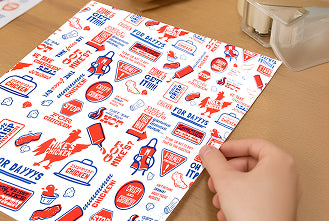
Now comes the fun part. Covering the box transforms it from recycled cardboard to gift-worthy packaging. Wrapping paper is the easiest option. Cut a piece large enough to wrap around all sides with a half-inch overlap.
Apply glue or double-sided tape to the box surface. Work one side at a time to prevent bubbles and wrinkles. Smooth the paper as you go, pressing from the center outward. Fold edges neatly at corners, just like wrapping a present.
Kraft paper gives a rustic, minimalist look. Fabric creates texture and luxury. Scrapbook paper offers endless patterns and colors. You can even use pages from old magazines or maps for a unique, eclectic vibe.
If you’re covering the lid separately, use the same material for a cohesive look. Or choose a complementary color for visual interest.
Embellishments take your box from handmade to polished. A simple ribbon tied around the center adds instant elegance. Twine works beautifully with kraft paper for that farmhouse aesthetic.
Consider adding a gift tag, a sprig of dried lavender, or a wax seal for extra charm. Stamps and stickers personalize the box for specific occasions. A handwritten note tucked under the ribbon makes the gift feel even more special.
Keep embellishments proportional to the box size. A small box needs delicate touches. Larger boxes can handle bolder elements. Balance is key.
A few tricks make this project easier and more successful, so before you start, consider these tips:
Choose sturdier cereal boxes when possible. Thicker cardboard holds its shape better and feels more substantial. Granola and oat cereals often come in heavier boxes than puffed varieties.
Work on a clean, flat surface. Cardboard picks up dust and debris easily, especially once you apply glue. A craft mat or old newspaper protects your table and your project.
Let the glue dry completely before moving to the next step. Rushing leads to peeling paper and sloppy corners. Patience pays off.
Practice on a test box first if you’re trying a new technique. This takes the pressure off and lets you experiment freely.
Store finished boxes flat until ready to use. Stack them gently with tissue paper between layers to prevent scratching or crushing.
At the end of the day, DIY cereal box gift boxes are perfect for casual occasions and creative projects. They’re also sustainable, budget-friendly, and uniquely personal.
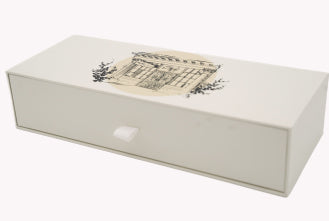
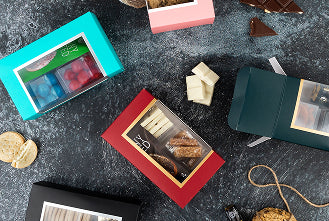
But sometimes the occasion calls for something more refined. A milestone birthday, an elegant wedding favor, or a corporate gift deserves packaging that matches the moment. And this is where quality materials make the difference. When your gift needs to shine without the craft time, we’ve got you covered. Shop Hammont’s gift boxes today!
| Question | Answer |
|---|---|
| Can I use any cereal box? | Yes, but sturdier boxes like those from granola or oat cereals work best for structure and durability. |
| Do I need special tools like a bone folder? | No, a ruler edge works just fine for creasing, though a bone folder gives a sharper finish. |
| What’s the best way to attach paper or fabric? | Use glue sticks or double-sided tape applied smoothly, one section at a time, to prevent bubbles. |
| How should I store these boxes? | Store them flat with tissue paper between each to avoid scratching or crushing until ready to use. |